Trailer Wheel Bearing Service: When to Repack, Inspect, or Replace Bearings
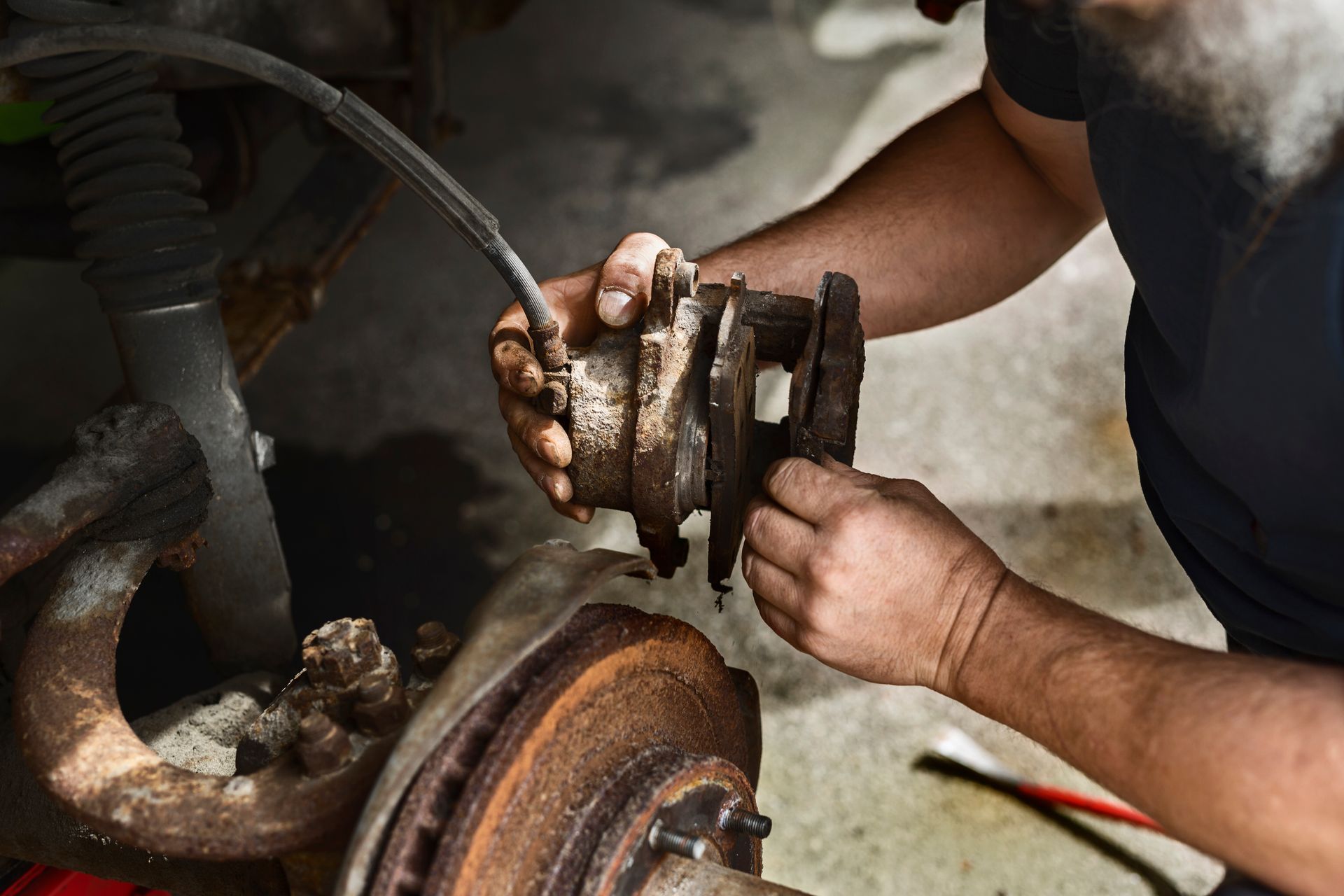
Trailer wheel bearings allow the wheels and hubs to rotate smoothly while supporting the trailer’s load. When bearings become worn, contaminated, improperly adjusted, or overheated, they can damage other wheel-end components and create serious safety concerns.
Regular trailer wheel bearing service can help identify problems before they lead to a breakdown or more extensive repairs. How often bearings need service depends on the type of bearing and lubrication system, trailer use, mileage, operating conditions, water exposure, storage conditions, and the manufacturer’s recommendations.
Here’s what trailer owners should know about when to inspect, repack, adjust, or replace wheel bearings.
Signs Your Trailer Bearings Need Attention
Changes in how your trailer sounds, feels, or operates can indicate a wheel-bearing or wheel-end problem. Watch for:
- Excessive hub heat: A hub that becomes unusually hot during towing may indicate excessive friction, improper bearing adjustment, inadequate lubrication, brake problems, or bearing damage.
- Grinding or humming: Unusual noises coming from the wheel or hub area can indicate worn or damaged bearings or other wheel-end components.
- Wheel wobble or excessive play: Movement at the wheel may indicate worn bearings, improper bearing adjustment, or another wheel-end problem.
- Uneven tire wear: Irregular tire wear can sometimes accompany wheel-end, alignment, or suspension problems.
- Grease leakage: Grease around the hub, wheel, or brake components may indicate a damaged or leaking seal.
- Smoke or burning smells: Smoke, a burning odor, or extreme wheel-end heat can indicate a serious problem requiring immediate attention.
If you notice smoke, a strong burning smell, or excessive heat while towing, stop in a safe location. Continuing to drive could cause additional damage or potentially lead to wheel-end failure.
How Often Should Trailer Wheel Bearings Be Repacked?
There is no single maintenance interval that applies to every trailer, but 12 months or 12,000 miles is a commonly used service guideline for many conventional grease-lubricated trailer wheel-bearing systems. For example, Dexter recommends inspecting and repacking many conventional wheel bearings at approximately these intervals.
The trailer or axle manufacturer’s maintenance schedule should always take priority because service requirements vary by axle and wheel-end system.
Factors that may require more frequent inspection or service include:
- Frequent towing
- High annual mileage
- Heavy loads
- Long-distance or commercial use
- Water exposure or submersion, particularly on boat trailers
- Extended outdoor storage
- Long periods when the trailer is not used
- Previous bearing, seal, or wheel-end problems
Trailers that spend significant time sitting can still develop bearing problems. Moisture, corrosion, and grease deterioration can occur even when mileage is low.
Not All Trailer Bearings Require Repacking
It is important to identify the type of wheel-bearing and lubrication system before performing maintenance.
Many trailers use conventional grease-packed tapered roller bearings that periodically require cleaning, inspection, adjustment, and repacking. However, other trailers may use sealed bearings, oil-lubricated hubs, or specialized lubrication systems.
These systems can have very different maintenance procedures and intervals. Some sealed bearing assemblies, for example, are not designed to be disassembled and repacked.
For this reason, technicians should follow the specifications of the trailer, axle, or
wheel-end manufacturer when determining the proper service procedure.
Should Trailer Bearings Be Repacked, Adjusted, or Replaced?
A conventional wheel bearing that is dirty but otherwise in good condition may be cleaned, carefully inspected, and repacked with the appropriate wheel-bearing grease.
Proper bearing adjustment is also important. Excessive looseness can allow unwanted wheel movement, while bearings that are adjusted too tightly can generate excessive heat and premature wear.
Bearings and races should generally be replaced when inspection reveals conditions such as:
- Pitting
- Scoring
- Corrosion or rust
- Discoloration caused by excessive heat
- Damaged rollers
- Roughness when the bearing is rotated
- Cracks or other physical damage
- Excessive wear
Depending on the condition of the wheel end, additional components that may require repair or replacement include:
- Bearing races
- Grease seals
- Hubs
- Spindles
- Related brake components
Grease seals should also be inspected for leakage and are typically replaced when removed during conventional wheel-bearing service according to the manufacturer’s procedures.
Simply adding grease to a damaged bearing will not correct the underlying problem. The complete wheel-end assembly should be inspected to determine the cause of the problem and the appropriate repair.
Why Water Exposure Matters
Water can be particularly damaging to trailer wheel bearings.
If water enters the hub, it can contaminate the grease and contribute to corrosion of the bearings and races. Boat trailers and other trailers that are regularly exposed to water may therefore require more frequent wheel-bearing inspection and maintenance.
The appropriate procedure depends on the axle and lubrication system, so owners should follow the manufacturer’s recommendations after significant water exposure or submersion.
Additional Safety Checks During Bearing Service
Wheel-bearing service is also a good opportunity to inspect other important trailer components. Before a long trip, consider having a technician check:
- Brakes: Inspect operation, adjustment, and wear.
- Tires: Check inflation pressure, tread condition, age, damage, and uneven wear.
- Lug nuts: Verify proper torque and inspect the wheel and fasteners for damage.
- Seals and wiring: Look for grease leaks, damaged seals, loose connections, or electrical problems.
- Suspension: Inspect springs, shackles, equalizers, bushings, hangers, and related components for excessive wear or damage.
- Commercial trailer inspections: If your trailer is subject to federal or state commercial-vehicle inspection requirements, wheel-bearing service can also be a convenient time to address other required inspection items. Mainline RV & Truck Service also provides Annual DOT Inspections for applicable commercial vehicles and trailers.
A complete trailer inspection can identify developing problems that might otherwise go unnoticed until they result in a roadside breakdown.
Trailer Wheel Bearing Service at Mainline RV & Truck Service
Mainline RV & Truck Service provides trailer repair and maintenance as part of our broader RV, truck, and trailer service capabilities.
Our technicians can evaluate wheel bearings and other wheel-end components while also inspecting related systems such as brakes, tires, seals, suspension, and electrical components. Addressing these items together can help identify problems before they become more expensive repairs or cause an unexpected breakdown.
Schedule Trailer Wheel Bearing Service with Mainline RV & Truck Service
Trailer wheel-bearing problems often develop gradually. Unusual heat, noise, wheel movement, grease leakage, or other changes should not be ignored.
At Mainline RV & Truck Service, regular wheel-end inspections, proper lubrication, and timely repairs can help keep your trailer operating safely and reduce the risk of roadside wheel-bearing failures.
Whether you need routine wheel-bearing maintenance, a wheel-end inspection, or additional trailer repairs, Mainline can evaluate the complete system and recommend the appropriate service.
For professional trailer wheel bearing service and comprehensive trailer repair, contact us today.
Contact Us