
RV Air Conditioner Repair: Common Problems and Solutions
A reliable air conditioner can make a major difference when you are spending time in your RV during warm weather. When the unit suddenly blows warm air, starts leaking, freezes up, trips a breaker, or shuts off repeatedly, it can quickly become uncomfortable.
Some RV air conditioner problems have relatively simple causes, such as a dirty filter or restricted airflow. Others require electrical testing or component-level diagnosis.
Before assuming you need a new rooftop unit, it helps to understand what may be causing the problem. Below, we cover common symptoms, possible causes, repair considerations, and when professional RV air conditioner repair is the better option.
Common RV Air Conditioner Problems
Pay attention to changes in how your RV air conditioner operates. Common symptoms include:
- The unit will not turn on: A tripped breaker, thermostat problem, inadequate power supply, damaged wiring, control-board problem, or other electrical issue may prevent the air conditioner from starting.
- The AC runs but blows warm air: Restricted airflow, dirty filters or coils, fan problems, electrical issues, compressor problems, or a sealed refrigeration-system failure may be involved.
- Uneven cooling: Blocked or closed vents, duct problems, restricted airflow, or other system issues can prevent conditioned air from reaching parts of the RV.
- Frozen evaporator coil: Restricted airflow from a dirty filter, blocked vents, dirty evaporator coil, fan problems, or other system faults can cause the coil to ice over and reduce cooling.
- Frequent cycling: Thermostat problems, airflow restrictions, electrical issues, freeze conditions, or other cooling-system problems may cause the air conditioner to start and stop more frequently than normal.
- Water inside the RV: Condensation drainage problems or blocked passages can cause water problems, but leaks may also come from the rooftop A/C gasket or roof sealing area. The source of the water should be identified before repairs are made.
- Unusual noises: Grinding, rattling, buzzing, or humming may indicate a fan motor, capacitor, compressor, loose component, or other electrical or mechanical problem.
- Breaker keeps tripping: A repeatedly tripping breaker can indicate excessive electrical load, low voltage, damaged wiring, a failing capacitor, fan motor, compressor, or another electrical problem. A breaker that repeatedly trips should not simply be reset over and over without determining the cause.
Why Is My RV Air Conditioner Running but Not Cooling?
An RV air conditioner that runs but does not cool properly can have several possible causes.
One of the first things to check is the air filter. A dirty filter restricts airflow across the evaporator coil and can reduce cooling performance. Dirty evaporator or condenser coils can also interfere with the unit's ability to transfer heat.
Other possible causes include:
- Blocked or closed air vents
- Dirty evaporator or condenser coils
- Fan-motor problems
- Thermostat or control problems
- Low campground voltage
- Inadequate shore power
- Generator problems
- Failed capacitors or electrical components
- Compressor problems
- Sealed refrigeration-system problems, including possible refrigerant leaks
Because several failures can produce similar symptoms, replacing parts based on symptoms alone can lead to unnecessary expense.
Campground Power Can Affect RV Air Conditioner Performance
Unlike a residential air conditioner operating from a relatively consistent electrical supply, an RV air conditioner may depend on campground shore power or a generator.
Low campground voltage, inadequate shore power, overloaded electrical circuits, generator problems, or problems within the RV's electrical system can interfere with air conditioner operation.
Low voltage is particularly important because an air conditioner may attempt to operate even when the available voltage is inadequate. This can cause poor performance, excessive current draw, overheating, or additional stress on the compressor and other electrical components.
If an RV air conditioner performs normally at one location but has problems at another campground, the incoming electrical supply may be one of the factors that should be investigated.
Rooftop RV AC vs. Chassis or Dash AC
Motorhomes may have two very different air-conditioning systems.
The rooftop or house air conditioner cools the RV's living area and generally operates from shore power, a generator, or another suitable AC power source.
The chassis or dash air conditioner operates more like the air-conditioning system in a car or truck and is typically used while driving.
These systems have different components and repair procedures. Automotive-style A/C testing and refrigerant recharge procedures that may apply to a motorhome's dash A/C do not necessarily apply to a rooftop RV air conditioner.
Many rooftop RV air conditioners use a factory-sealed refrigeration system. Refrigerant is not normally "used up." If a sealed system has lost refrigerant, a leak or another refrigeration-system problem may be present. Depending on the design, age, condition, and availability of replacement components, replacing the rooftop unit may sometimes be more practical than repairing the sealed refrigeration system.
What Causes an RV Air Conditioner to Freeze Up?
A frozen RV air conditioner does not necessarily mean there is a refrigerant problem.
Restricted airflow is one common cause. A dirty filter, dirty evaporator coil, blocked vents, fan problems, or other airflow restrictions can allow the evaporator coil to become too cold and develop ice.
Once ice forms, airflow and cooling performance can become even worse.
The cause of the freezing should be diagnosed rather than simply allowing the unit to thaw and continuing to operate it without addressing the underlying problem.
Why Is Water Leaking from My RV Air Conditioner?
Water appearing around an RV air conditioner can have more than one source.
During normal operation, the air conditioner removes moisture from the air and produces condensation. Problems with drainage or blocked passages can allow this water to enter the RV instead of draining properly.
However, water entering around the air conditioner may also be rainwater coming through the rooftop A/C mounting gasket or surrounding roof area.
Determining whether the water is condensation or an exterior roof leak is important before deciding what repair is needed.
How to Help Prevent RV Air Conditioner Problems
Routine maintenance can help improve cooling performance and identify problems before they become more serious.
Depending on the air conditioner manufacturer's recommendations, maintenance may include:
- Cleaning or replacing the air filter
- Keeping interior vents open and unobstructed
- Inspecting and cleaning evaporator and condenser coils when appropriate
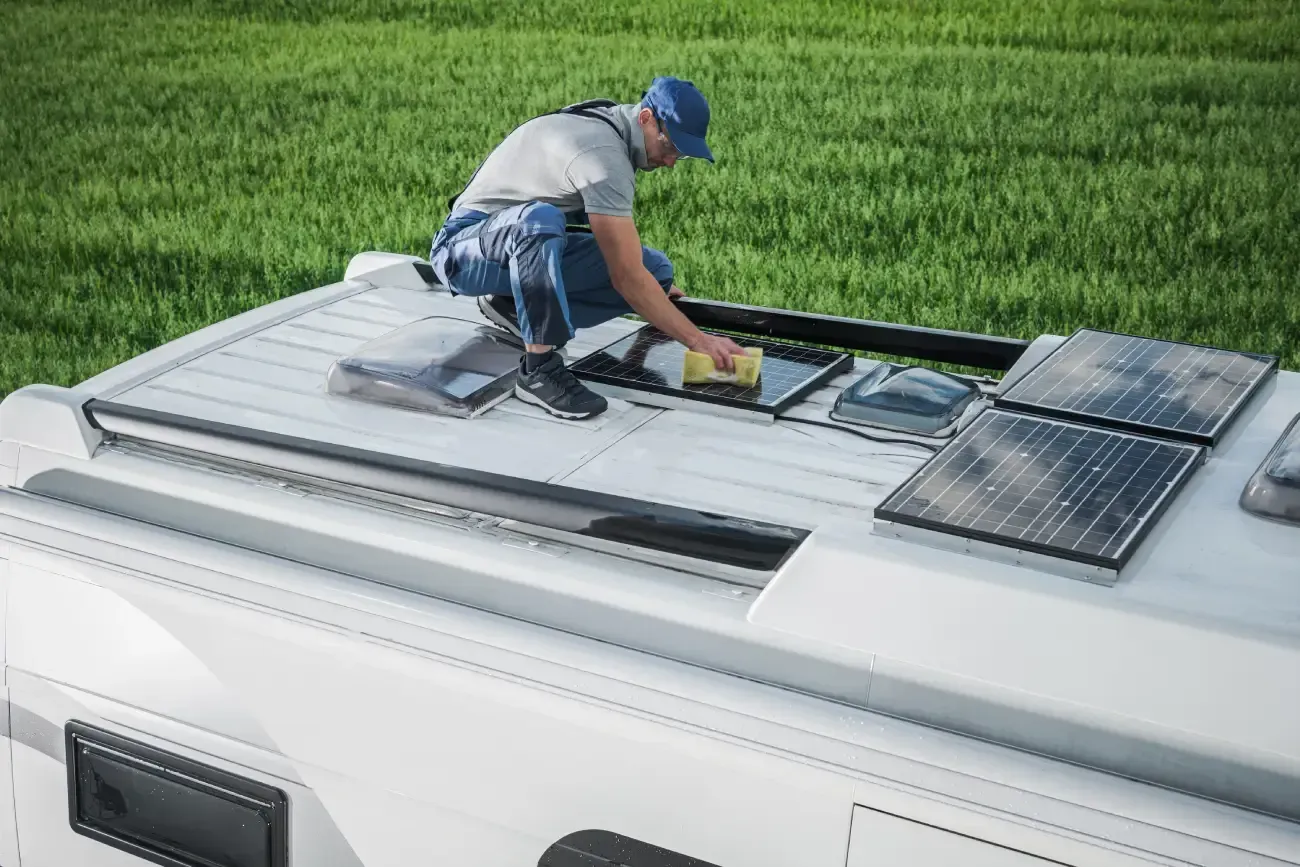
- Checking the rooftop unit and shroud for damage or debris
- Watching for signs of water intrusion around the rooftop unit
- Checking electrical connections and components as appropriate
- Making sure the RV has an adequate electrical supply before operating the air conditioner
The maintenance requirements vary by manufacturer and model, so owners should follow the instructions provided for their particular air-conditioning system.
Should You Repair or Replace an RV Air Conditioner?
The right solution depends on the age and condition of the unit, the type of failure, the cost of repair, and the availability of replacement parts.
Repair may make sense when the air conditioner is otherwise in good condition and the problem involves a serviceable component such as a thermostat, capacitor, fan motor, control component, wiring issue, or airflow problem.
Replacement may be worth considering when an older unit has recurring problems, significant compressor or sealed refrigeration-system problems, poor overall cooling performance, or replacement parts that are difficult or expensive to obtain.
A technician can evaluate the unit's age, overall condition, repair requirements, and expected performance before recommending whether repair or replacement makes more sense.
Why Professional RV Air Conditioner Diagnosis Matters
Rooftop RV air conditioners contain high-voltage electrical components, capacitors, control boards, fan motors, compressors, and refrigeration-system components that require proper testing and handling.
A qualified technician can test the system instead of relying on symptoms alone. This is particularly important because an electrical problem, airflow restriction, power-supply issue, and mechanical failure can sometimes produce similar symptoms.
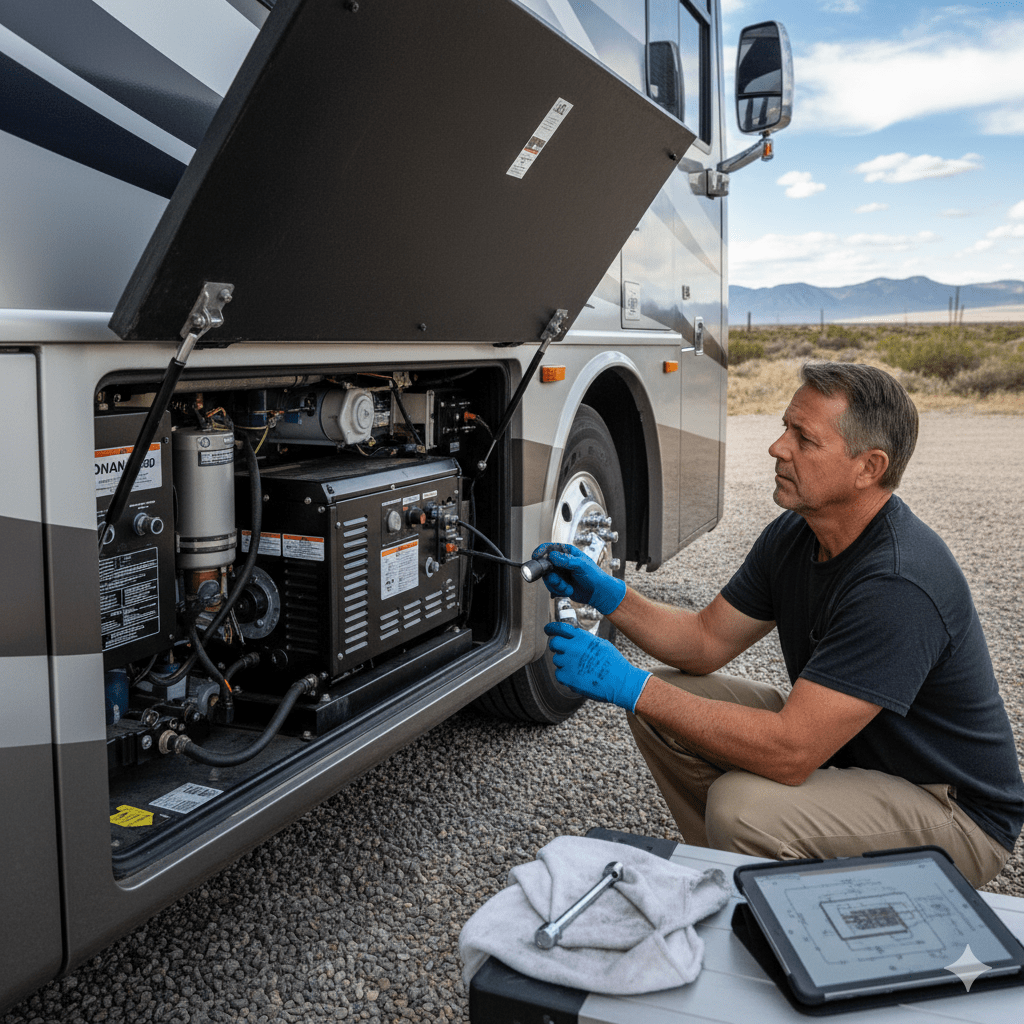
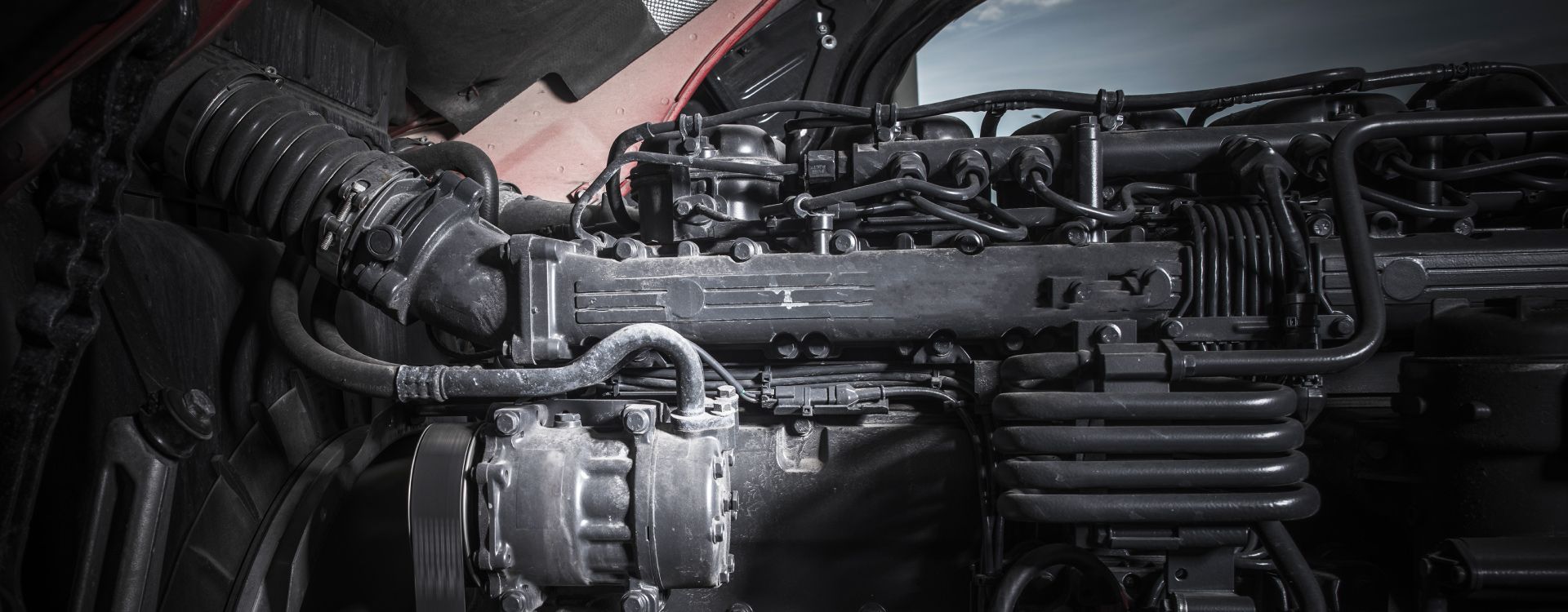
Mainline RV & Truck Service provides a broad range of RV services, including A/C diagnosis and service, starting and charging service, engine repair, suspension work, and computerized RV wheel alignment.
Our technicians can evaluate both rooftop/house air-conditioning problems and chassis-related RV A/C concerns. Proper diagnosis can help determine whether the problem involves the electrical supply, controls, airflow, mechanical components, or refrigeration system before expensive parts are replaced.
Schedule RV Air Conditioner Repair with Mainline RV & Truck Service
If your RV air conditioner is blowing warm air, leaking, freezing up, repeatedly tripping a breaker, shutting off unexpectedly, or making unusual noises, professional diagnosis from Mainline RV & Truck Service can help identify the underlying problem and determine whether repair or replacement makes sense.
For experienced RV air conditioner repair, or to book a Road Performance Assessment (RPA) with our specialists, contact us today.
Contact Us