DPF Cleaning and Aftertreatment: Extending the Life of Your RV Filter
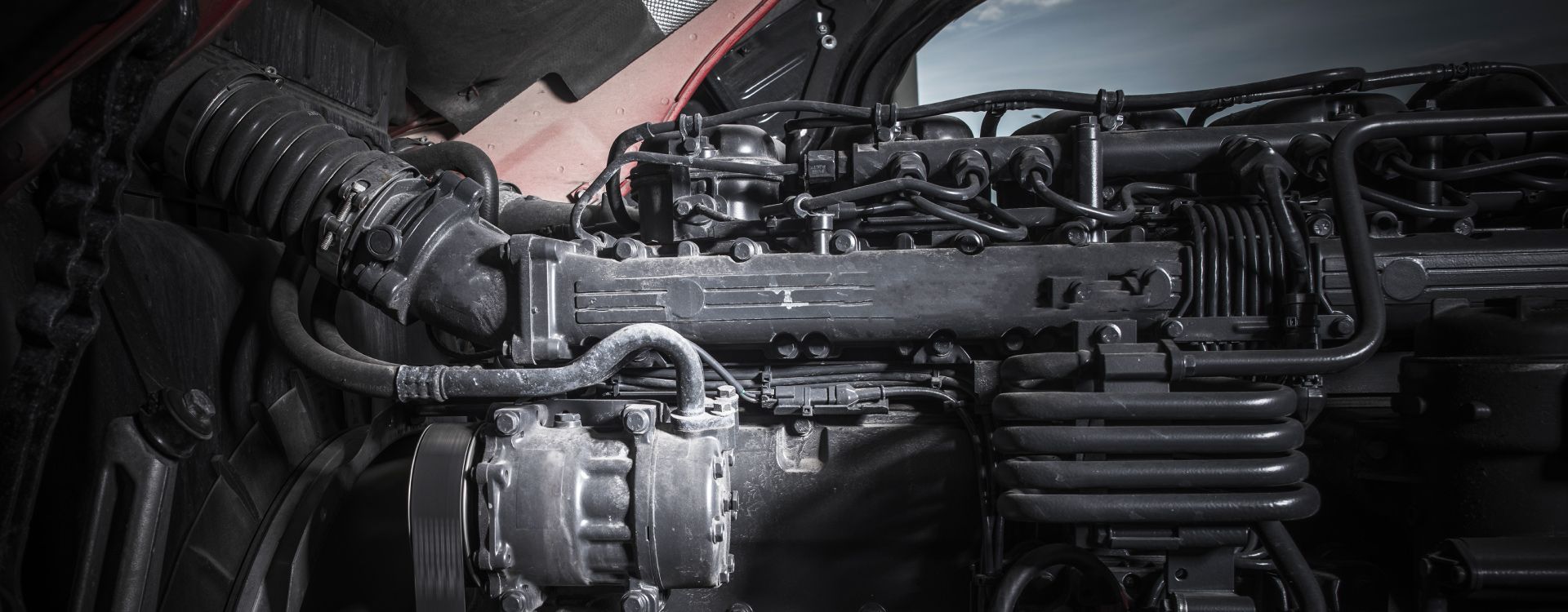
Modern diesel RVs and motorhomes are heavy-duty powerhouses, built to carry heavy chassis, tow vehicles, and climb steep highway passes. But keeping that diesel engine running efficiently requires paying close attention to your exhaust aftertreatment system. At the center of this emission control system is the Diesel Particulate Filter (DPF).
When your DPF is clean and clear, your RV just runs better. You'll get better fuel mileage and stay on the right side of emissions laws without even thinking about it. If the filter fails or becomes blocked, your motorhome can enter a sudden "limp mode," lose highway power, or suffer severe, expensive engine damage.
Knowing how to spot the early warning signs of a clogged DPF can literally save you thousands in avoidable replacement costs.
What is a DPF and How Does It Work?
The Diesel Particulate Filter is a specialized exhaust component designed to capture and store soot, the black carbon particles created during diesel combustion. The filter is constructed from a ceramic honeycomb substrate, usually cordierite or silicon carbide, that traps these microscopic particles before they can escape into the air.
You can’t just toss a dirty DPF in the trash like a standard air or fuel filter. These units are built to self-clean on the go using a high-heat cycle called regeneration. During regeneration, the exhaust system reaches temperatures high enough to incinerate the trapped soot, converting it into a much smaller volume of harmless, inert ash.
When this self-cleaning cycle fails to occur, soot builds up, restricts exhaust flow, and creates severe backpressure on your engine. This backpressure forces the engine to work much harder, dragging down your fuel economy and straining internal components. Regular monitoring and professional cleaning are essential to prevent this failure loop.
Passive vs. Active Regeneration: The Self-Cleaning Cycles
Your RV relies on two primary types of automatic regeneration to keep the DPF clear of soot:
Passive Regeneration
This occurs naturally during highway driving. When the engine operates under a consistent load at highway speeds, exhaust temperatures naturally reach 650°F to 900°F. The DPF continuously burns off soot without requiring extra fuel injection or engine adjustments. This is the most efficient way for your DPF to clean itself, as it uses no additional fuel.
Active Regeneration
If your exhaust doesn't stay hot enough, usually due to short trips, city driving, or prolonged idling, the engine control unit (ECU) steps in. The ECU injects a small amount of diesel fuel into the exhaust stream, where it reacts with the diesel oxidation catalyst. This reaction artificially raises the DPF temperature to around 1,100°F to burn away the accumulated soot. You might notice a slight drop in fuel economy, a higher idle speed, or a distinct hot smell when this cycle is active.
What Causes Premature Ash Accumulation?
While regeneration destroys soot, it leaves behind a tiny amount of non-combustible ash. Soot burns away, but ash does not. Over time, this ash builds up inside the micro-channels of your filter, permanently reducing its capacity until it is physically removed.
So, what causes this ash to build up faster than it should? A few common culprits usually lead to early clogging:
Using the Wrong Engine Oil: Diesel engines with DPFs require low-ash oil (specifically API CJ-4 or CK-4). Standard oils introduce high levels of zinc, phosphorus, and sulfur, which quickly plug the filter with unburnable metallic compounds.
Engine Coolant or Oil Leaks: Leaking head gaskets, worn valve seals, or turbocharger seal failures allow coolant or oil to enter the combustion chamber. These fluids coat the DPF substrate, forming a sticky, glassy glaze that permanently ruins the filter.
Poor Quality Fuel or Additives: Low-quality diesel or unapproved fuel additives leave behind heavy chemical deposits that degrade the ceramic filter walls.
Excessive Idling: Prolonged idling prevents the exhaust from reaching functional regeneration temperatures. This leads to rapid soot accumulation and "wet-nesting," where unburned fuel and soot paste together inside the filter.
The "Forced Regen" Dilemma: When to Call a Pro
When your dashboard lights up with a DPF warning icon, the soot load has reached a level that normal driving cannot clear. Your RV's computer may prompt you to perform a stationary "parked" or "forced" regeneration using an onboard command or a diagnostic tool.
It might buy you enough time to get to the next exit, but forcing a regen isn't a permanent fix, and it isn't risk-free.
Warning: Forced regenerations subject your engine, turbocharger, and exhaust system to extreme thermal stress while the vehicle is stationary. Frequently forcing a regeneration to bypass a deeper mechanical problem can lead to warped exhaust manifolds, damaged turbo seals, or cracked DPF ceramic substrates.
If your RV repeatedly demands a forced regeneration, or if the DPF light remains on after a cycle, the filter is likely packed with ash, or there is an underlying sensor failure. Continuing to drive in this state will force the engine into limp mode, limiting your speed. When this occurs, you must take your vehicle to an authorized service center.
Contact Us for RV Repair, Commercial Fleet Maintenance, and More Today
Keeping your DPF and aftertreatment system clear is one of the smartest things you can do to protect your diesel RV or commercial truck's engine. At Mainline RV & Truck Service, we have spent over 40 years helping fleet managers and motorhome owners keep their vehicles running safely.
Our certified technicians operate out of our fully equipped 16,000-square-foot facility in Cleveland, Ohio. We utilize advanced electronic diagnostics to pinpoint emission system faults and provide comprehensive maintenance solutions designed to minimize your downtime.
Whether you need a routine engine check, diagnostic troubleshooting, or structured truck fleet maintenance, our team is here to help.
Contact Mainline RV & Truck Service today to schedule your next service appointment.
Contact Us