OEM vs. Aftermarket Parts: Making the Right Choice for Your Fleet
Running a fleet is a constant tightrope walk. You need to keep operating costs down, but you can’t afford to let trucks sit idle. The second a rig rolls into the shop, you are faced with a choice that directly impacts both your schedule and your bottom line. Do you use Original Equipment Manufacturer (OEM) parts, or do you opt for aftermarket equivalents?
There is no one-size-fits-all answer here. The right move depends entirely on the vehicle's age, what exactly broke down, and how fast you need that truck back on the highway.
At Mainline RV & Truck Service in Cleveland, Ohio, we help fleet managers navigate this decision every day. This guide breaks down the core differences between OEM and aftermarket components so you can make highly informed, profitable decisions for your truck fleet maintenance program.
When OEM Parts Are Non-Negotiable
OEM parts are built by the company that manufactured your truck. If you drive a Freightliner, Kenworth, or Peterbilt, an OEM part is the exact component installed on the assembly line. Because they are exact replicas, they offer guaranteed fitment and predictable performance.
There are specific situations where our commercial truck shop strongly recommends sticking strictly to OEM parts:
Active Manufacturer Warranties: If your truck is still covered by the manufacturer's factory warranty, using aftermarket parts on covered systems can possibly void that protection. To keep your warranty intact, using OEM parts for those specific repairs is recommended.
Complex Electronic Systems: Modern trucks rely heavily on advanced sensors, engine control units (ECUs), and emissions systems. These electronic components communicate using proprietary software. Aftermarket sensors sometimes fail to communicate correctly with the vehicle's computer, leading to phantom warning lights and repeat visits to the shop.
Critical Structural and Safety Components: For major internal engine components, turbochargers, and complex transmission parts, the precise metallurgy and engineering of OEM parts provide peace of mind.
While OEM parts deliver maximum consistency, they also come with a premium price tag. For older trucks or non-critical systems, paying that premium does not always make financial sense.
High-Quality Aftermarket Equivalents: Smarter Cost Savings
The term "aftermarket" covers a massive spectrum of quality. It ranges from cheap, unbranded components to heavy-duty parts that actually exceed original factory specifications.
Reputable aftermarket manufacturers often reverse-engineer OEM parts to find and fix common points of failure. This means a high-quality aftermarket part can sometimes outperform the original component.
Using high-quality aftermarket alternatives offers several distinct advantages for your truck fleet maintenance budget:
Substantial Cost Reductions: Aftermarket components are generally 20% to 50% less expensive than their OEM counterparts. For a fleet with multiple vehicles, these savings add up to thousands of dollars annually.
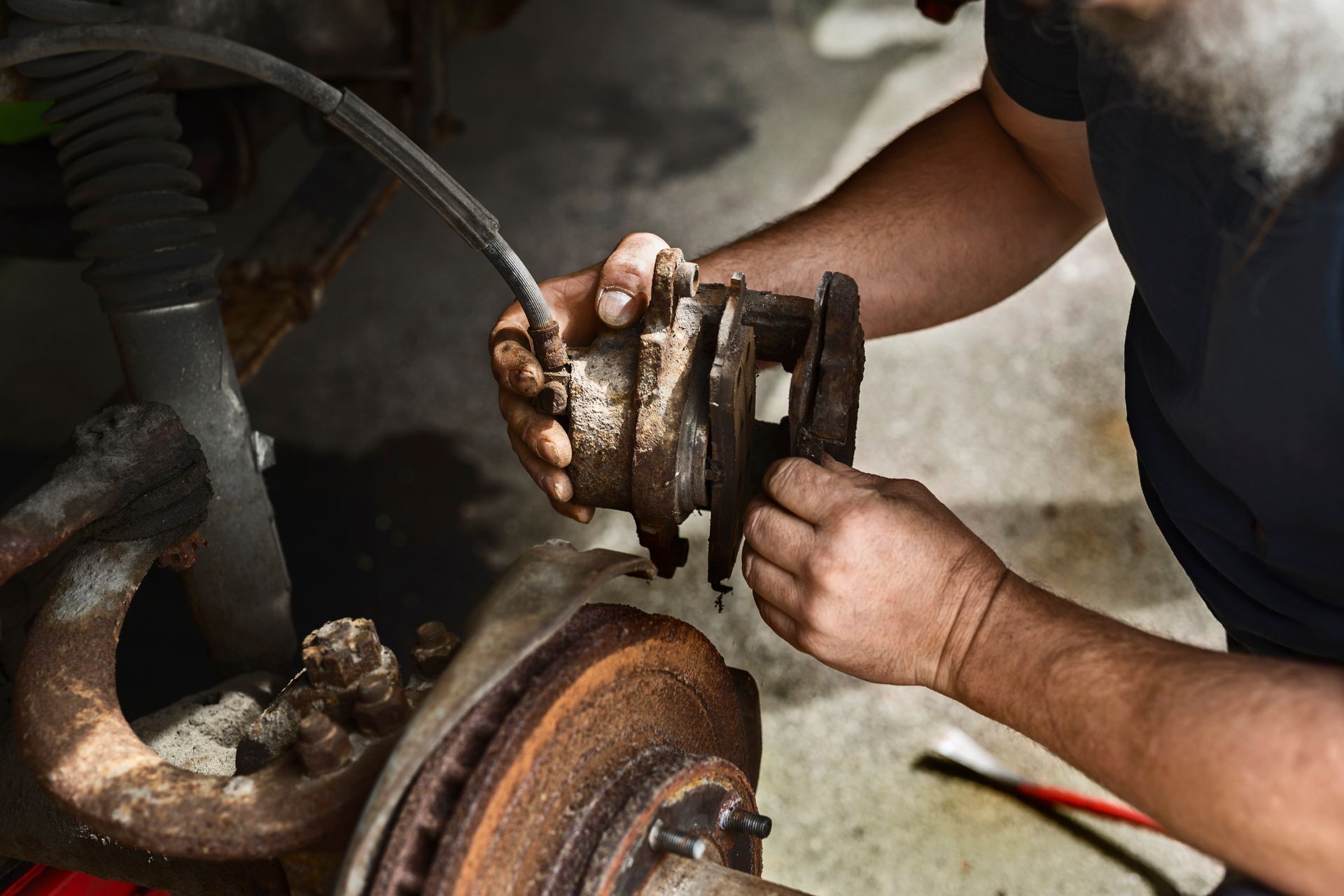
Perfect for Non-Critical Components: Systems like lighting, mud flaps, exhaust hangers, brake drums, and cabin filters are perfect candidates for aftermarket parts. You get the same level of performance without paying the brand-name markup.
Extending the Life of Older Trucks: If a truck is nearing the end of its service life in your fleet, investing in expensive OEM parts rarely provides a good return on investment. High-quality aftermarket parts keep older assets working safely without blowing your budget.
When you work with a trusted truck repair facility, our technicians will guide you toward heavy-duty aftermarket brands that do not compromise on safety or longevity.
Availability vs. Lead Time: The Real Cost of Downtime
If a truck is sitting in a bay, it’s actively burning money. Industry data pegs the real cost of commercial truck downtime anywhere from $450 to over $1,000 a day per vehicle. At those rates, a 'cheaper' part isn't actually cheap if you have to wait two weeks for it to arrive.
Availability is a major factor in the OEM vs. aftermarket debate:
OEM Supply Chain Bottlenecks: OEM parts must flow through specific dealer networks. If a factory is experiencing production delays or a regional warehouse is out of stock, you might face long lead times.
The Aftermarket Accessibility Advantage: Hundreds of companies manufacture aftermarket parts. This vast network means that if one distributor is out of stock, another likely has the part ready to ship.
Getting Trucks Back on the Road Fast: When a truck needs immediate repair to meet a delivery deadline, choosing a highly reliable, readily available aftermarket part is almost always the smarter business decision. Speed of repair is often the most critical metric for fleet survival.
How Mainline-Sourced Parts Protect Your Fleet’s Efficiency
We don't do cookie-cutter maintenance. As a local Cleveland shop, we’ve spent years building a reliable network of parts suppliers so we can get you the best balance of speed and cost-efficiency.
Our sourcing strategy is built on three core pillars:
Strategic OEM Partnerships: As an experienced service facility, we maintain strong relationships with leading heavy-duty truck manufacturers. This gives our team direct access to factory-approved parts, specialized software, and diagnostic data when only OEM will do.
Vetted Aftermarket Distributors: We do not buy cheap, unbranded parts off random websites. We only source aftermarket components from established, heavy-duty manufacturers who back their products with robust warranties. If we would not put it on our own vehicles, we will not install it on yours.
Optimized Local Inventory: We keep a smart mix of high-demand maintenance items in stock at our facility. This allows us to complete routine services, like brake jobs, belt replacements, and fluid changes, with zero shipping delays.
We analyze every repair individually. If we can save you money safely with an aftermarket equivalent, we will present that option alongside the OEM quote. You retain final control over your fleet's parts strategy.
Contact Us for Truck Fleet Maintenance Today
Keeping your trucks moving requires a repair partner who understands the balance between parts cost, component longevity, and minimizing downtime.
Mainline RV & Truck Service has spent over 40 years helping fleet operators in Cleveland and Northeast Ohio keep their vehicles safe, compliant, and highly productive. Our 16,000-square-foot facility and certified technicians are fully equipped to handle everything from routine DOT inspections to complex engine diagnostics and rebuilds.
Do not let parts delays or unexpected repair bills slow your business down. Contact our team today to discuss a customized preventive maintenance program for your commercial fleet.
Contact Us