Signs Your Truck Needs Repair Services
As a truck driver or fleet manager, you understand the importance of your vehicles in keeping your business moving forward. However, even the most well-maintained trucks can develop issues over time. Recognizing the signs that your truck needs repair services is crucial for ensuring safety on the road, preventing costly breakdowns, and maintaining the longevity of your vehicle.
In this comprehensive guide, our experts at
Mainline RV & Truck Service explore the various warning signals your truck may be telling you and why it's essential to consider
truck repair right away.
The Importance of Proactive Truck Maintenance
It's important to understand why proactive maintenance is so important for semi-trucks and other commercial vehicles before we cover the signs that repairs are required. Regular upkeep is about preventing breakdowns, ensuring safety, optimizing performance, and protecting your investment.
Semi-trucks are massive machines that can weigh up to 80,000 pounds when fully loaded. This immense weight puts a major strain on various components, such as the engine, transmission, brakes, and suspension. Without proper maintenance, these parts can wear out quickly and lead to dangerous situations on the road.
Moreover,
proactive maintenance can help improve fuel efficiency, which is a major concern for any trucking operation. When parts like air filters, spark plugs, or fuel injectors become dirty or worn, they can cause your truck to consume more fuel than needed and essentially drain your profits. By staying ahead of issues through regular check-ups and having minor problems checked before they escalate, you can save money in the long run and keep your truck on the road where it belongs.
What to Look for During Inspections
One of the easiest ways to spot issues with your truck is through visual inspections. Here are some key areas to check:
Tire Wear and Pressure
Uneven tire wear or frequent loss of tire pressure can indicate alignment issues, suspension problems, or even overloading. Regularly inspect your tires for signs of unusual wear patterns and ensure they're properly inflated.
Fluid Leaks
Check under your truck for any signs of fluid leaks. Any noticeable leaks should be taken care of immediately to prevent further damage. Here are the different colored fluids that can indicate various issues:
Red: Transmission fluid or power steering fluid- Green or Orange: Coolant
- Brown: Engine oil
- Clear: Water (possibly from air conditioning)
Exhaust Smoke
Pay attention to the color of your truck's exhaust smoke:
Black smoke may indicate an issue with the fuel-to-air ratio.- Blue smoke could mean oil is leaking into the combustion chamber.
- White smoke (beyond normal condensation) might signal coolant leaking into the combustion chamber.
Auditory Warnings to Pay Attention To
Your truck communicates with you in various ways, and one of the most obvious is through the sounds it makes. Unusual noises can be early indicators of developing problems. Here are some of the signs to look out for:
Squealing or Grinding Brakes
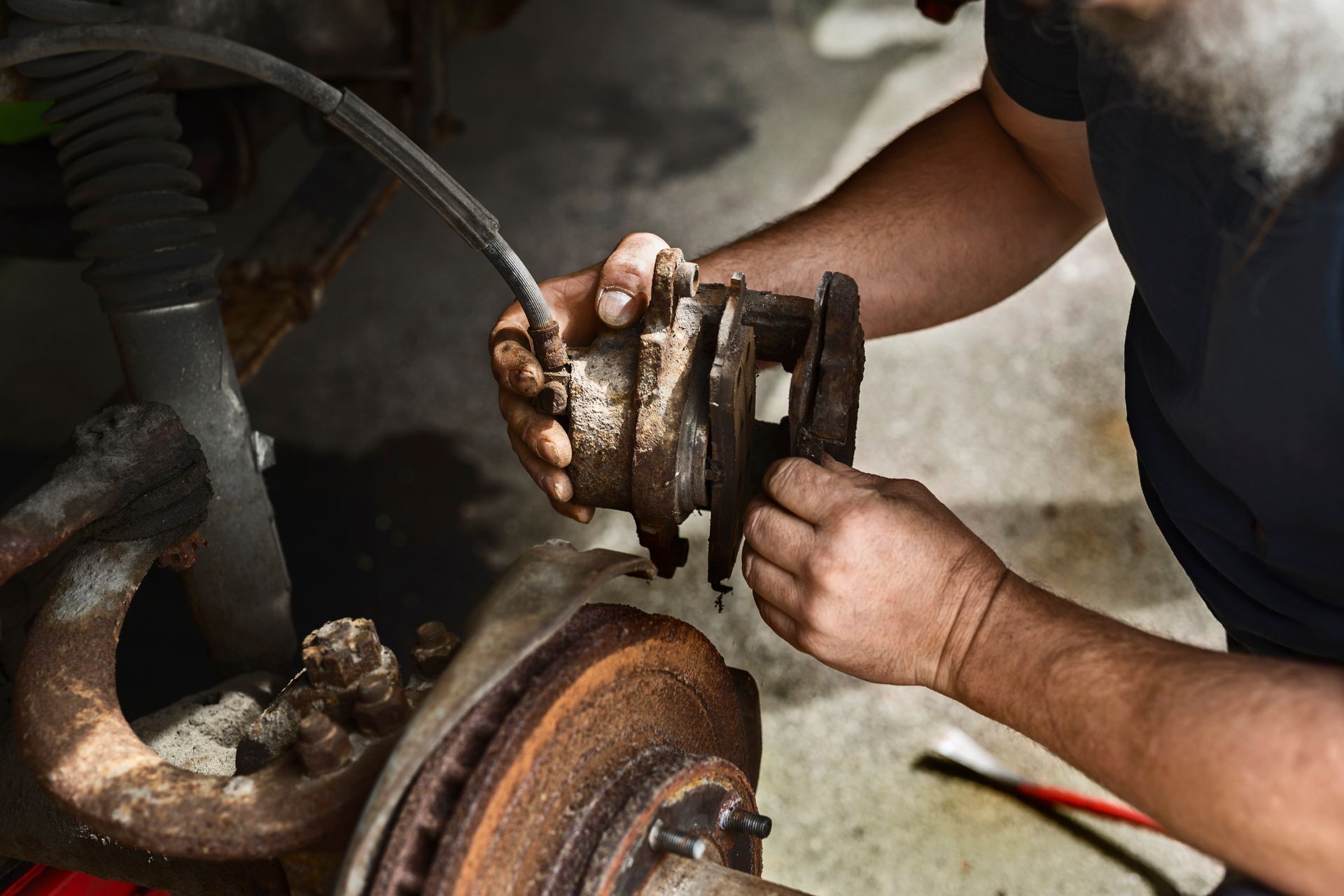
If you hear a high-pitched squeal when applying the brakes, it's often a sign that your brake pads are worn and need replacement. A grinding noise is even more serious as it could indicate that the brake pads have worn completely and can cause metal-on-metal contact.
Engine Knocking or Ticking
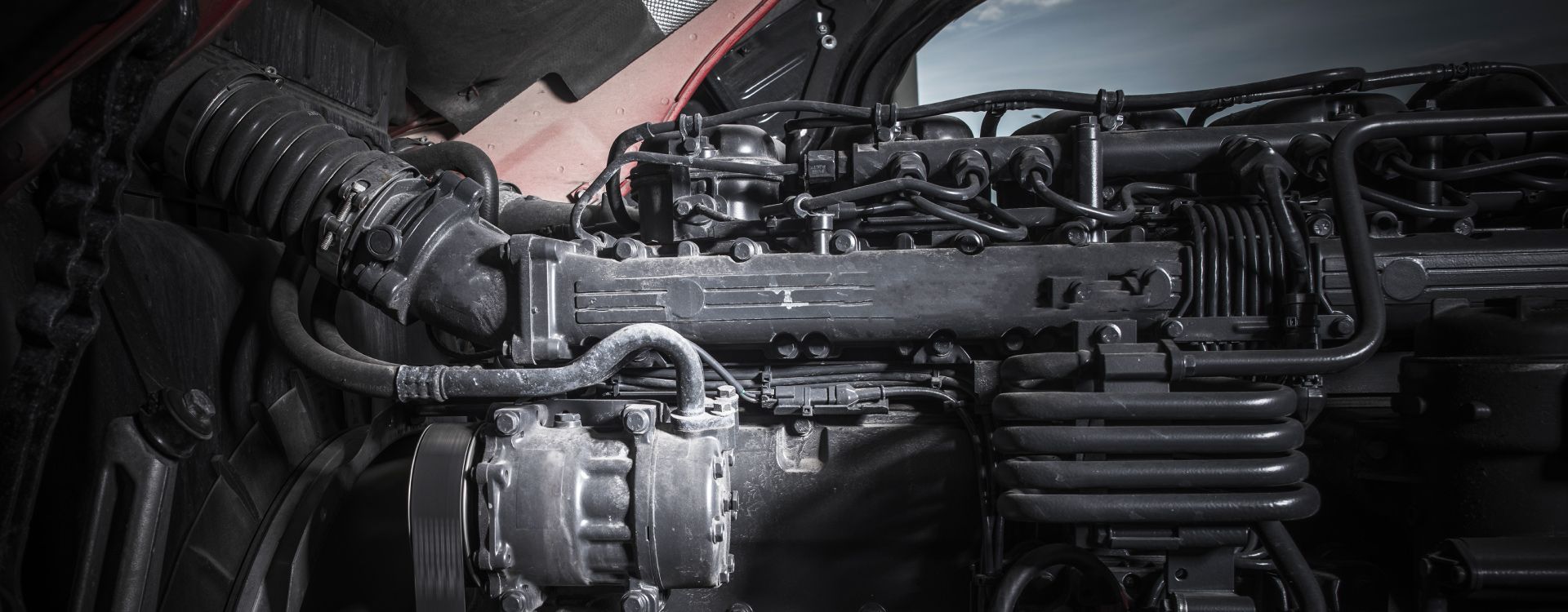
Unusual knocking or ticking sounds from the engine can signify various issues, such as low oil pressure or problems with the valvetrain. These sounds should never be ignored, as they can lead to major engine failure if they’re not taken care of.
Exhaust System Noises
A louder-than-normal exhaust or a rattling sound could indicate a problem with your exhaust system, such as a leak or a loose component. Not only does this affect your truck's performance but it could also lead to dangerous fumes leakinginto the cabin.
Performance Changes to Look Out For
Sometimes, the signs that your truck needs attention are more subtle and relate to how it performs on the road. Pay attention to these changes:
Decreased Fuel Efficiency
If you notice that you're filling up more frequently or your fuel costs are rising unexpectedly, it could be a sign of many issues. Poor fuel economy can be caused by problems with the fuel system, engine, or even something as simple as underinflated tires.
Loss of Power
If your truck seems to struggle when accelerating or climbing hills, it could indicate issues with the fuel system, turbocharger, or engine compression. Don't ignore these performance changes as they often worsen over time.
Vibrations
Unusual vibrations while driving can come from various sources:
Steering wheel vibrations might indicate alignment issues or problems with the front-end components.- Vibrations felt through the seat could signal rear suspension problems or driveline issues.
- Pedal vibrations often point to brake system problems.
Commons Dashboard Warnings
Modern trucks have onboard diagnostic systems that can alert you to issues before they become major problems. It’s important to never ignore illuminated warning lights on your dashboard. Here are common dashboard warnings to look out for:
Check Engine Light
This warning can indicate a wide range of issues. While it doesn't always mean you need to pull over immediately, you should have your truck diagnosed as soon as possible as the issue could range from minor problems with the sensor to serious engine issues.
Oil Pressure Warning
If this light comes on, it means your engine isn't getting proper lubrication. This is a serious issue that requires immediate attention to prevent engine damage.
Battery or Alternator Warning
This light indicates problems with your truck's electrical system. It could be as simple as a loose connection or as serious as a failing alternator.
Brake System Warning
Any warning related to your brake system should be taken seriously and looked at immediately, as it directly affects your ability to stop safely.
The Risks of Ignoring Warning Signs
Choosing to overlook these warning signs can have serious consequences. Below is a list of some of the risks you might face:
Safety Hazards
Neglecting maintenance and repairs puts not only you but also other motorists on the road at risk. A brake failure or tire blowout at highway speeds can lead to catastrophic accidents.
Increased Repair Costs
When left ignored, minor issues often develop into major problems. What might have been a simple and inexpensive fix can turn into a costly repair or even require complete component replacement.
Reduced Vehicle Lifespan
Regular maintenance and timely repairs are important for
maximizing the lifespan of your truck. Ignoring issues can lead to premature wear and tear and shorten the life of your vehicle.
Legal and Regulatory Issues
Commercial vehicles are subject to strict safety regulations. Failing to maintain your truck properly could result in failed inspections, fines, or even being taken off the road.
Preventive Maintenance Steps to Take
While being vigilant about warning signs is crucial, the best approach to truck maintenance is prevention. Implementing the following preventive maintenance steps can help you catch issues early:
Regular Inspections
Conduct thorough inspections of your truck on a regular basis and check all major systems and components.
Scheduled Maintenance
Follow the manufacturer's recommended maintenance schedule for oil changes, filter replacements, and other routine services.
Fluid Checks
Regularly check and top off fluids, including engine oil, coolant, and transmission fluid.
Brake System Maintenance
Given the critical nature of your truck's braking system, pay special attention to brake maintenance, including regular inspections and timely replacements of brake pads and rotors.
Tire Care
Rotate tires regularly, check alignment, and ensure proper inflation to maximize tire life and maintain optimal fuel efficiency.
Schedule an Appointment for Truck Repair with Mainline RV & Truck Service!
Recognizing the signs that your truck needs repair is just the first step. Taking quick action is crucial to ensure the safety, reliability, and longevity of your vehicle. At Mainline RV & Truck Service, we understand the one-of-a-kind needs of commercial truck owners and operators. Our team of experienced technicians has the latest diagnostic tools and expertise to fix any issue your truck may have.
If you've noticed any of the warning signs we've discussed, or if it's simply time for your regular maintenance, reach out to us today. We offer flexible scheduling for computerized wheel alignment, air conditioning testing,
trailer sway control, and more to help you minimize downtime and keep your business moving forward. If you’re interested in regular maintenance, our highly skilled technicians offer a
mid-interval preventative maintenance program to help prevent failed DOT inspections, roadside breakdowns, and unexpected costs.
For more information or to
schedule your appointment for truck repair,
contact our team at Mainline RV & Truck Service today!
Contact Us