Heavy-Duty Truck Service: Essentials for Longevity & Performance
Heavy-duty trucks are built for endurance, not convenience. They move freight across vast distances, carry enormous loads, and face daily wear that would break most vehicles within weeks. These machines must perform, often in extreme conditions, making reliability and maintenance inseparable.
In this guide, we explore the essentials of
heavy-duty truck service, from understanding what makes these trucks unique to how smart, routine care keeps them running strong for years.
The Unique Demands of Heavy-Duty Trucks
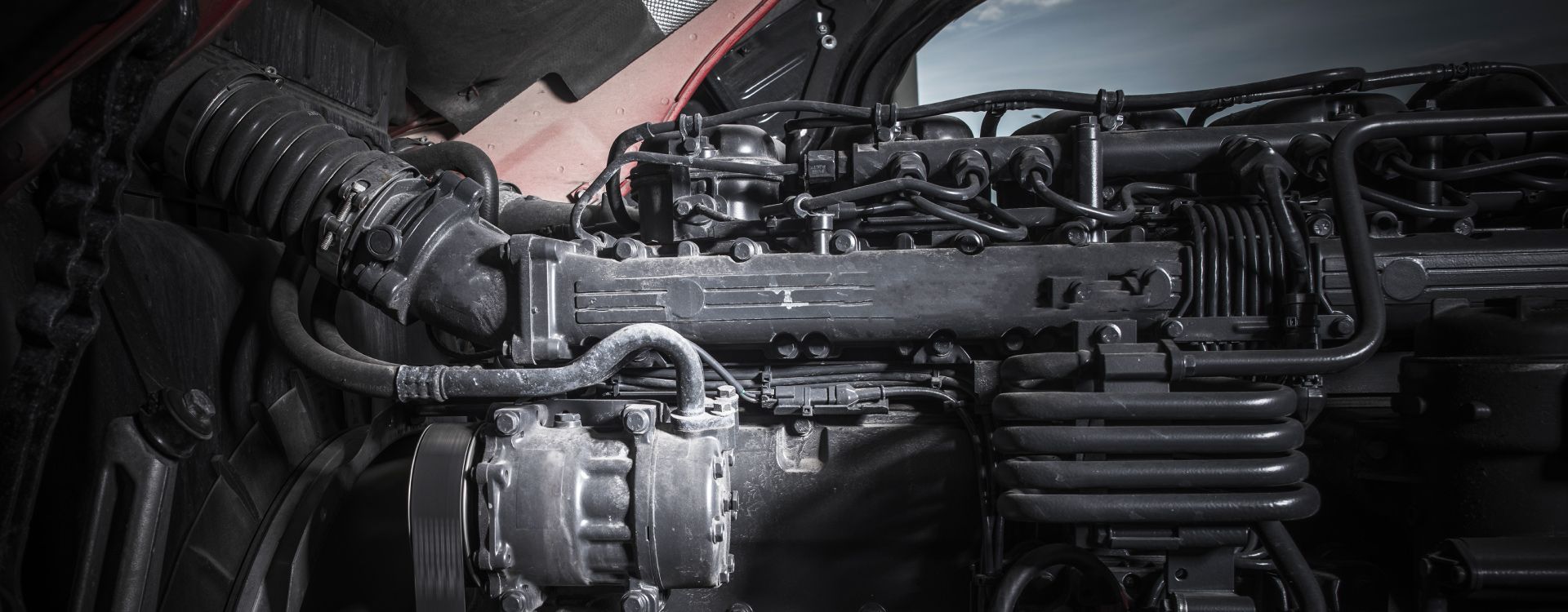
No other vehicles work quite like heavy-duty trucks. The stresses they endure go far beyond normal driving conditions. High torque, heavy payloads, steep terrain, and long operating hours all contribute to accelerated wear across every component.
To appreciate why heavy-duty truck maintenance matters, it helps to consider what these trucks are up against day after day, for example:
- Continuous strain on the engine, transmission, and suspension due to heavy loads.
- Extended idling and stop-and-go driving that lead to oil contamination and overheating, which are often preventable with early detection.
- Long distances between service intervals, meaning small issues can worsen unseen.
- Constant vibration and exposure to dust, dirt, and road chemicals that degrade components faster than expected.
- A cost of downtime that’s more than an inconvenience: it’s lost deliveries and lost income.
Because every hour of downtime translates into revenue loss, preventive heavy-duty truck service becomes as critical as the driving itself. It’s the difference between consistent uptime and operational disruptions.
The Critical Role of Regular Truck Maintenance
Regular maintenance does more than keep a truck running: it preserves safety, performance, and fuel efficiency. When properly serviced, every system works in harmony: the engine burns cleaner, the brakes respond faster, and the truck consumes less fuel over time.
A well-maintained vehicle also signals professionalism. Fleet managers and clients notice when equipment looks good and performs well.
Some of the biggest gains from consistent maintenance include:
- Improved reliability: Preventive checks identify issues before they cause breakdowns.
- Extended component life: Fluids, filters, and parts last longer when replaced on time.
- Better fuel economy: Properly tuned engines and well-aligned drivetrains use less fuel.
- Enhanced safety: Reliable brakes, steering, and suspension reduce risk on the road.
These outcomes compound over time, leading to lower operating costs and higher productivity. After all, a truck that’s consistently on the road is the one earning its keep.
A good heavy-duty truck service program does more than follow a checklist; it adapts to how and where a truck operates.
Hauling in mountainous regions, for example, places more stress on cooling systems and brakes, while long flat runs test oil quality and fuel injectors. Tailoring service to those realities ensures genuine performance gains rather than generic upkeep.
Why Routine Maintenance Often Gets Overlooked by Truckers
Despite understanding the importance of maintenance, many truckers find it difficult to stay on schedule. The demands of the job often compete with the need for service. Tight delivery windows, long hours, and limited access to qualified technicians can make even simple tasks easy to postpone.
For owner-operators, budget constraints can add another layer of hesitation. It’s tempting to delay an oil change or brake inspection when the truck still “feels fine.” However, as experienced drivers know, unseen wear rarely stays invisible for long.
The problem is that neglecting maintenance creates a false sense of savings. What looks like a cost cut today often leads to major repairs later, like transmission rebuilds, blown head gaskets, or brake failures. A consistent schedule prevents those outcomes, making every mile more profitable.
The key is developing habits that make routine service realistic. Keeping digital logs, setting reminders based on mileage or engine hours, and partnering with a reliable repair facility make maintenance less of a burden and more of a rhythm.
Practical, Cost-Effective Ways to Extend Your Truck’s Lifespan
Keeping a heavy-duty truck running for the long haul doesn’t require extravagant spending. It requires consistency, attention, and smart habits that reduce stress on major systems.
Start by treating maintenance as part of the job, not an interruption to it. Like the way you plan fuel stops, plan service intervals and align them with your route whenever possible. A truck that receives predictable care will last far longer than one that’s repaired only when problems arise.
Here are several cost-effective practices worth adopting:
- Use high-quality fluids and filters: Inferior products may save money upfront but accelerate wear in critical systems.
- Perform regular visual inspections: Checking belts, hoses, tires, and lights each week helps catch small issues early.
- Monitor data trends: Engine temperature, oil pressure, and fuel consumption can signal problems long before they appear physically.
- Keep tires properly inflated: Underinflated tires increase fuel costs and strain suspension components.
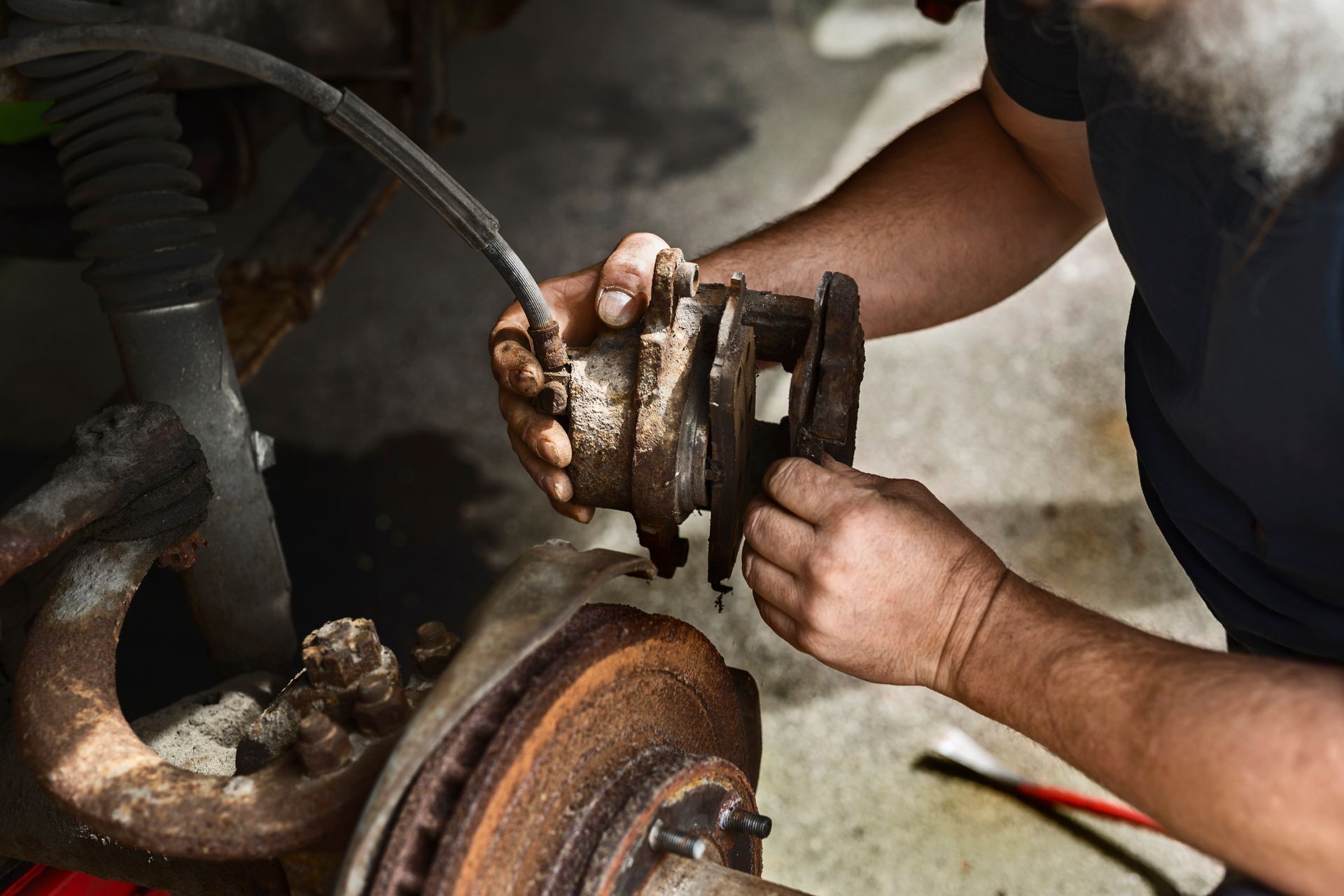
- Stay proactive about replacements: Budgeting for parts with known lifespans, like brake drums or bearings, reduces downtime and surprise expenses.
Even small steps like keeping the truck clean or greasing joints regularly pay off by preventing corrosion and premature wear. The goal is to build habits that make dependability the default.
Building a Maintenance Routine That Works
Creating a consistent, repeatable service schedule is one of the most effective ways to keep heavy-duty trucks running reliably. For owner-operators, tracking oil changes, brake inspections, fluid levels, tire maintenance, and electrical system checks ensures small issues are caught before they become costly problems. Fleet managers can implement standardized routines across multiple vehicles, making it easier to coordinate service, reduce downtime, and maintain operational efficiency.
Regularly scheduled maintenance builds discipline and predictability, giving drivers confidence that their trucks will perform when they need them most, while helping managers protect the fleet’s long-term value.
Contact Us for Your Heavy-Duty Truck Service in Cleveland
For reliable performance and long-term durability, professional heavy-duty truck service is essential. At Mainline RV & Truck Service in Cleveland, Ohio, we provide expert maintenance and repairs for every system, from engines and transmissions to brakes and suspension, ensuring your truck stays safe and efficient on the road. Call us at 440-439-7777 or use our online contact form to schedule your next service today.
Contact Us