The Importance of Semi-Truck Preventative Maintenance for Your Rig
Semi-trucks are incredibly important for moving goods all over the country and keeping the economy moving. But if you want your semi-truck to stay reliable, efficient, and safe on the road, you've got to stay on top of preventative maintenance.
We’ll break down the ins and outs of semi-truck preventative maintenance. We'll cover what it includes, why it's so important, and some tips for making sure you're doing it right. Whether you're a truck driver or a fleet manager, here’s what keeps these machines running smoothly, and how semi-truck repair shops can help you with your maintenance.
Semi-Trucks in the Transportation Industry
Semi-trucks are essentially the backbone of the transportation industry, responsible for hauling raw materials, finished products, and everything in between. The global economy relies heavily on the timely and efficient movement of goods, and semi-trucks are at the forefront of this endeavor. From the food we eat to the clothes we wear, countless items we use daily have likely been transported by a semi-truck at some point in their journey.
Given the important role that semi-trucks have, it's important that they remain in optimal condition, ready to hit the road at a moment's notice. Any downtime due to mechanical issues or breakdowns can lead to costly delays, supply chain disruptions, and even safety hazards. This is where preventative maintenance makes sure that semi-trucks are well-maintained, reliable, and roadworthy.
Understanding Preventative Maintenance for Semi-Trucks
Preventative maintenance for semi-trucks involves regular inspections, check-ups, and routine replacements of key components to prevent potential problems from escalating into major issues. By proactively addressing minor concerns and wear and tear, preventative maintenance helps extend the lifespan of the vehicle, reduce the likelihood of breakdowns, and ultimately save time and money in the long run.
During a typical preventative maintenance appointment, skilled technicians will examine the semi-truck:
- In-cab components: horn, windshield, air leaks, gauges, steering wheel, switches
- Exterior: lights, reflectors, glad-hand seals, suspension, fifth wheel, fuel tank leaks, tires, body damage
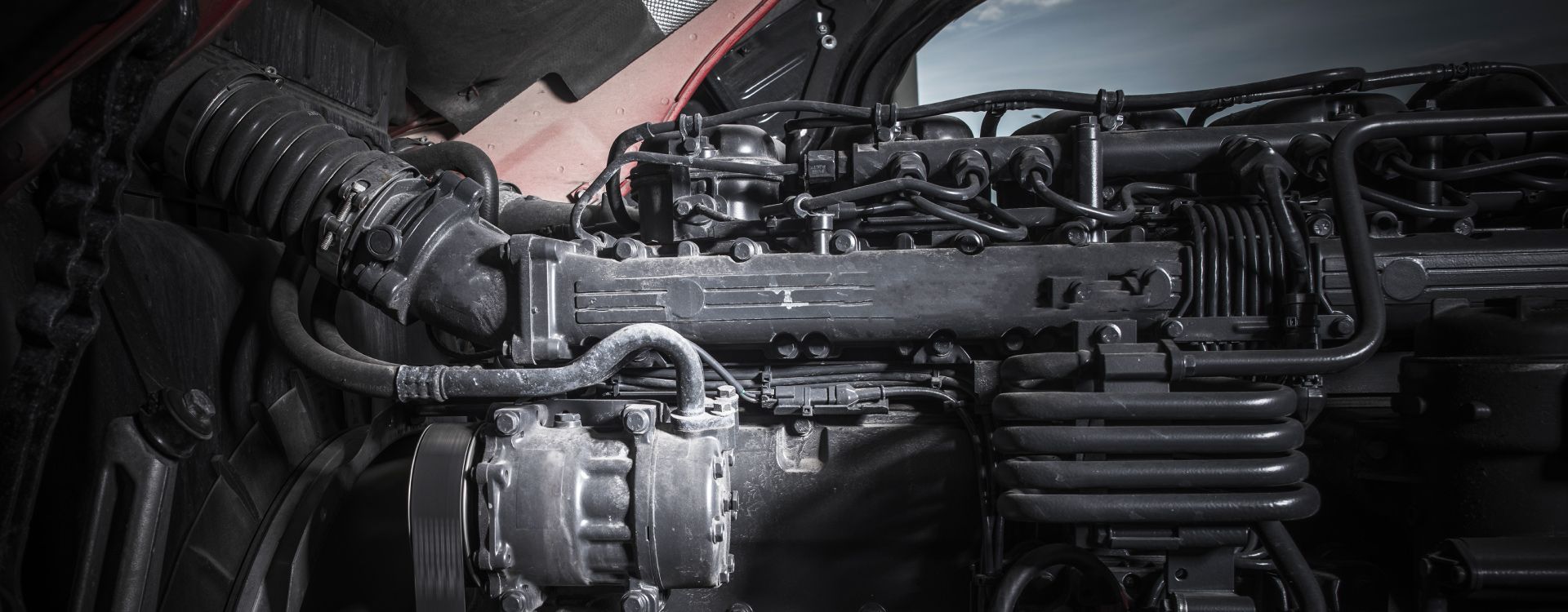
- Engine compartment: steering components, engine oil leaks, radiator assembly, A/C components, alternator
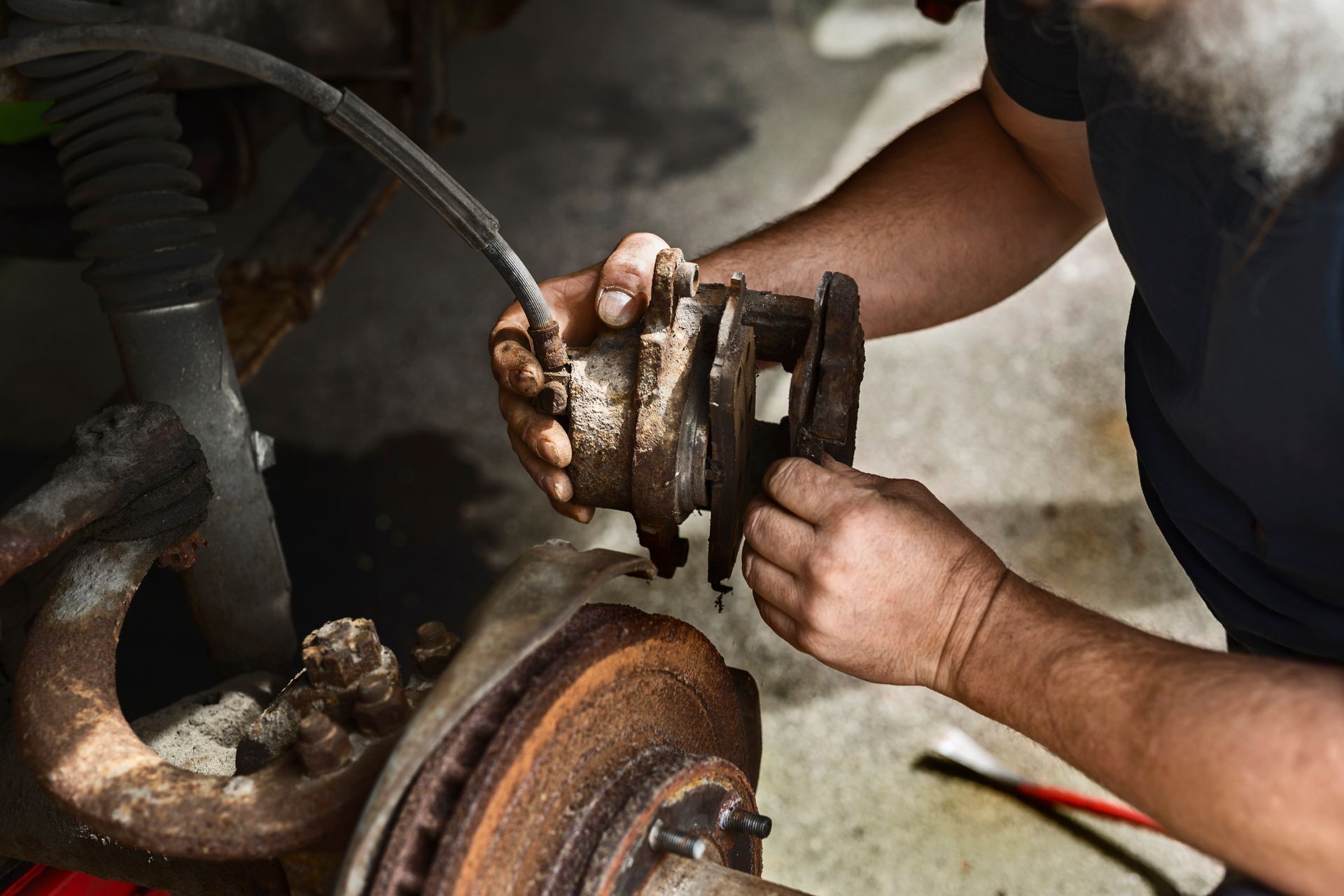
- Undercarriage: brake lining, wheel seals, slack adjusters, engine mounts, fluid leaks, loose components, air lines, brake hoses, oil and oil filters
- After-treatment system: diesel exhaust fluid tank
- Electrical system: batteries, battery cables, master cutoff switch
In addition to inspections, preventative maintenance also involves routine replacements of certain components based on mileage, engine hours, or time intervals. For example, oil changes, oil filter replacements, and fuel filter changes are typically performed at regular intervals for optimal engine performance and longevity.
The Numerous Benefits of Preventative Maintenance
By investing in regular preventative maintenance, semi-truck owners and operators can reap a multitude of benefits that contribute to the overall success and efficiency of their operations. Let's explore some of the key advantages:
Road Safety
In identifying and addressing potential issues before they escalate, the risk of accidents caused by mechanical failures is significantly reduced. Regular inspections of tires, brakes, steering components, and other safety-critical systems help make sure that the semi-truck is in top condition, minimizing the likelihood of dangerous situations on the road.
Better Vehicle Longevity
Preventative maintenance helps in extending the lifespan of a semi-truck. Catching and fixing minor issues early on means the overall wear and tear on the vehicle is reduced, preventing more severe and costly problems down the line. Regular oil changes, for example, help maintain engine health and prevent premature wear, while timely replacements of filters, belts, and hoses contribute to the longevity of various systems.
Cost Savings
While preventative maintenance does require an upfront investment, it ultimately leads to significant cost savings in the long run. In identifying and addressing issues before they escalate, the need for expensive emergency repairs and prolonged downtime is minimized. Additionally, well-maintained semi-trucks tend to have better fuel efficiency, further reducing operating costs.
Minimized Downtime and Increased Efficiency
Unexpected breakdowns and repairs can lead to significant downtime, which translates to lost productivity and revenue. Adhering to a regular preventative maintenance schedule, will reduce the likelihood of disruptions. Well-maintained semi-trucks are more reliable, allowing for smoother operations and increased efficiency in the transportation process.
Compliance with Regulations and Warranty Requirements
Your maintenance will also help with compliance with Department of Transportation (DOT) regulations. Regular inspections help identify and rectify any issues that may violate these regulations, preventing potential fines and penalties. Furthermore, many manufacturers require proof of regular maintenance to honor warranty coverage. By keeping detailed records of preventative maintenance, semi-truck owners can protect their investment and maintain eligibility for warranty claims.
Implementing Preventative Maintenance
To reap the full benefits of preventative maintenance, it's essential to establish and adhere to a well-planned maintenance schedule. This involves close collaboration between semi-truck owners, operators, and maintenance professionals. Here are some best practices for implementing effective preventative maintenance:
- Develop a comprehensive maintenance schedule based on manufacturer recommendations, mileage, and engine hours.
- Conduct thorough pre-trip and post-trip inspections to identify potential issues early on.
- Keep detailed records of all maintenance activities, including dates, mileage, and specific tasks performed.
- Foster open communication between drivers and maintenance personnel to ensure timely reporting and addressing of any concerns.
- Invest in high-quality replacement parts and fluids to ensure optimal performance and longevity.
- Regularly review and analyze maintenance data to identify trends and make informed decisions about fleet management.
Tire Maintenance
Tires are the only point of contact between the vehicle and the road, making them essential for safety, performance, and fuel efficiency. Regular tire inspections should be a top priority, checking for proper inflation, tread depth, and any signs of damage or uneven wear.
Underinflated tires can lead to decreased fuel efficiency, increased tire wear, and even blowouts, which can be extremely dangerous for both the driver and other vehicles on the road. Overinflated tires, on the other hand, can cause a harsher ride, reduced traction, and increased vulnerability to road hazards. Using a calibrated tire pressure gauge and following the manufacturer's recommended inflation levels is important for optimal tire performance and longevity.
In addition to inflation, monitoring tread depth is essential. Adequate tread depth is necessary for proper traction, especially in wet or slippery conditions. When tires reach a certain level of wear, they must be replaced for safety and compliance with regulations. Rotating tires at regular intervals can help promote even wear and extend their lifespan, ultimately saving money on replacements.
The Role of Driver Education and Training
While preventative maintenance is primarily the responsibility of maintenance professionals and technicians at semi-truck repair shops, drivers also help with the longevity and safety of their semi-trucks. Proper driver education and training can go a long way in identifying potential issues early on and preventing unnecessary wear and tear on the vehicle.
Drivers should be trained to conduct thorough pre-trip and post-trip inspections, paying close attention to any changes in the vehicle's performance or any unusual sounds or vibrations. They should also be educated on the importance of gentle acceleration and braking, as well as the benefits of maintaining a steady speed to optimize fuel efficiency and reduce strain on the engine and other components.
Furthermore, drivers should be encouraged to report any concerns or issues promptly, rather than waiting until the next scheduled maintenance appointment. By fostering open communication and a proactive approach to maintenance, potential problems can be addressed before they escalate, minimizing downtime and repair costs.
The Impact of Technology on Preventative Maintenance
In recent years, technology has revolutionized the way we approach semi-truck preventative maintenance. Advancements in telematics, diagnostic tools, and predictive maintenance software have made it easier than ever to monitor vehicle performance, identify potential issues, and schedule maintenance tasks based on real-time data.
Telematics systems, for example, can provide valuable insights into vehicle performance, fuel consumption, and driver behavior. By analyzing this data, fleet managers can identify trends and make informed decisions about maintenance schedules, driver training, and route optimization. Predictive maintenance software takes this a step further, using advanced algorithms to anticipate potential failures before they occur, allowing for proactive repairs and minimizing unexpected downtime.
Visit Mainline RV & Truck for Maintenance and Repairs from Our Semi-Truck Repair Shop
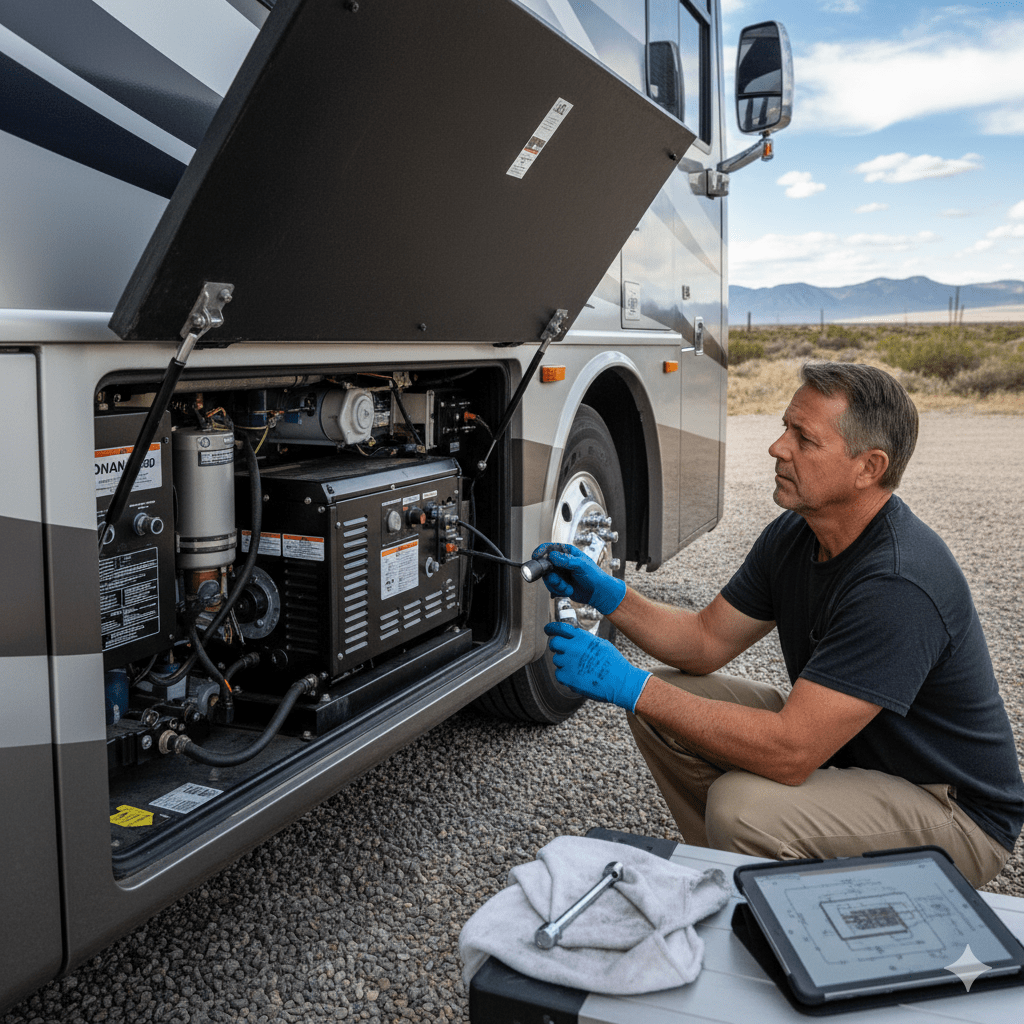
At Mainline RV & Truck Service, we understand the importance of preventative maintenance for semi-trucks. Our technicians at our semi-truck repair shop provide support and service to keep your vehicles running and your drivers safe. From routine inspections and oil changes to more complex repairs, we handle it all.
Don't wait until a minor issue turns into a major problem. Contact Mainline RV & Truck Service today to schedule your preventative maintenance appointment at our semi-truck repair shop and experience the difference our expertise can make for your fleet.
Contact Us