Optimizing Heavy-Duty Truck Suspension for Better Load Distribution
Every experienced truck driver knows that how a load is distributed can make the difference between a smooth journey and a potentially dangerous road situation. On top of that, improper loading can lead to significant fines and penalties.
But staying within legal load limits is only part of the equation. The way your truck handles, its stability on various road conditions, and even the wear patterns on your tires are all influenced by how well your load is distributed.
Let’s take a look at heavy-duty truck suspension adjustments and why these adjustments are so important when you are getting heavy duty truck repair.
Understanding Heavy-Duty Truck Suspension Systems
Heavy-duty trucks typically use one of two main types of suspension systems: leaf springs or air ride suspensions. Each system comes with its own set of components, including torque rods, shock absorbers, U-bolts, and airbags. Together, these elements work in harmony to support the truck's weight, maintain stability, and provide a comfortable ride for the driver.
When your truck's suspension is properly tuned, it can effortlessly manage the challenges posed by heavy loads. However, neglecting this crucial aspect of truck maintenance can lead to a host of issues, ranging from poor handling and reduced stability to accelerated wear and tear on vital components.
The Importance of Proper Load Distribution
Load distribution is far more complex than simply stacking cargo in your truck's trailer. It's a delicate balance of weight distribution. When your load is unevenly distributed, it can have other secondary consequences on your truck's performance.
Overloading or improperly distributing weight can strain your suspension components, leading to premature wear and potential failure. On the flip side, underloading or poor weight distribution can cause reduced traction, compromised stability, and even decreased fuel efficiency. These issues not only impact your ability to navigate the road safely but can also hit you where it hurts most your bottom line.
Understanding how to calculate and achieve optimal load distribution is crucial. You first need to know the weight ratings of your truck's axles and make sure that the weight on each axle falls within legal limits. Axle weights are influenced by various factors, including your truck's design, the type of load you're carrying, and local regulations.
Techniques for Adjusting Heavy-Duty Truck Suspension
Now that we understand the importance of proper suspension tuning and load distribution, let's explore some key techniques for adjusting heavy-duty truck suspension systems.
Leaf Spring Adjustments
Leaf springs are a common suspension component, especially in older truck models or on the rear axles of modern trucks. These multi-layered steel springs play a crucial role in supporting the vehicle's weight and absorbing road shocks.
Adjusting leaf springs primarily involves altering their tension to accommodate different load weights. This can be achieved by adding or removing spring leaves.
To determine the right tension for your specific load, it's crucial to consult the manufacturer's guidelines and load ratings for your truck's leaf springs. Remember, improper tension adjustment can lead to sagging or bottoming out when the truck is loaded, affecting both ride quality and safety.
Air Suspension Adjustments
Many modern heavy-duty trucks are equipped with air suspension systems, which offer greater flexibility and adjustability. These systems use compressed air to support the truck's weight, and their pressure can be adjusted to match varying load requirements.
Adjusting air suspension typically involves using an onboard air compressor and control panel. You'll want to increase air pressure for heavier loads and decrease it for lighter ones. Some advanced trucks even feature automatic leveling systems that maintain a consistent ride height regardless of the load.
The benefits of air suspension extend beyond precise load leveling. These systems often provide a smoother and more stable ride, especially when hauling heavy or irregularly shaped loads. This contributes to both driver comfort and cargo safety.
Shock Absorber Tuning
Shock absorbers, also known as dampers, play a crucial role in controlling suspension movement and smoothing out road imperfections. Properly tuned shock absorbers can significantly impact ride quality, handling, and tire wear.
The first step in shock absorber tuning is selecting the right type for your truck and load. Different shocks offer various damping rates and features, so consider factors like load capacity, typical road conditions, and handling preferences when making your selection.
Some heavy-duty trucks come equipped with adjustable shock absorbers, allowing you to fine-tune their damping characteristics. This adjustment can often be done through settings like rebound and compression damping. By tuning these settings, you can enhance ride comfort, stability, and overall handling performance.
Sway Bar Adjustments
Sway bars, also known as stabilizer bars or anti-roll bars, are critical components in reducing body roll during turns. Proper sway bar adjustments can significantly improve a truck's stability, especially when navigating corners or winding roads.
Most sway bars are equipped with multiple mounting points or adjustable links that allow you to change their stiffness. Increasing the stiffness of the sway bar reduces body roll, while decreasing it allows for more flexibility in the suspension.
When adjusting sway bars for load distribution, consider the weight of the cargo and its positioning. Heavier loads may benefit from stiffer sway bar settings to counteract body roll, while lighter loads may require a softer setting to maintain optimal tire contact with the road.
Benefits of Proper Suspension Adjustment
● Improved Handling and Stability:
A well-adjusted
suspension system provides better control and stability on the road, especially when dealing with heavy or unevenly distributed loads.
● Increased Safety:
By enhancing your truck's stability and handling, proper suspension adjustment reduces the risk of accidents and breakdowns caused by poor load distribution.
● Extended Component Lifespan:
When your truck's suspension components are subjected to the right load distribution, they tend to last longer. This can save you significant money on repairs and replacements in the long run.
● Enhanced Fuel Efficiency: A balanced load and a well-tuned suspension contribute to improved fuel efficiency. In an
industry
where fuel costs can make or break a business, this benefit can have a substantial impact on your operating costs.
● Improved Driver Comfort: A properly adjusted suspension system can significantly enhance driver comfort, reducing fatigue on long hauls and potentially improving overall job satisfaction and retention.
Regular Maintenance and Inspections
While adjusting your truck's suspension is always important, it's equally important to maintain these adjustments through regular maintenance and inspections. Even the best-tuned suspension system can fall out of alignment over time due to the rigors of the road.
Implement a regular inspection schedule to check for signs of suspension problems. These can include uneven tire wear, unusual noises during operation, or noticeable changes in handling characteristics. By catching and addressing minor issues early, you can prevent them from developing into major problems that could cause costly repairs or downtime.
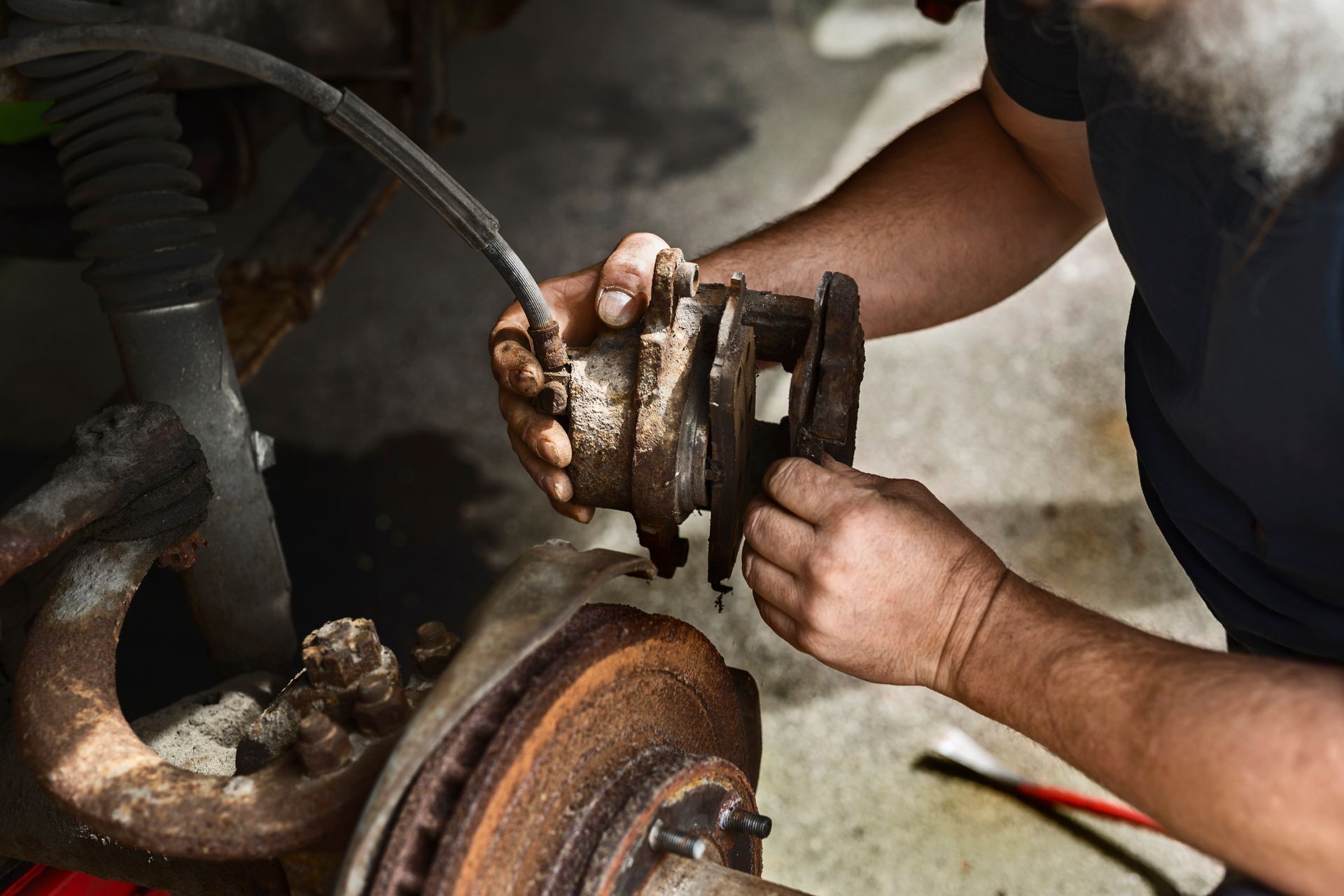
Additionally, scheduled maintenance should include checks of all suspension components, including leaf springs, air bags, shock absorbers, and sway bars. Lubrication of moving parts, tightening of fasteners, and replacement of worn components should be performed as needed to keep your suspension system in top condition.
Professional Suspension Tuning Services
While some suspension adjustments can be made by truck owners and fleet managers, there are times when professional assistance is invaluable. Specialized truck suspension shops have the expertise, experience, and equipment necessary to fine-tune suspensions to meet specific needs and overcome challenging issues.
If you're unsure about making adjustments yourself or lack the necessary tools, consulting an expert in truck suspension repair and adjustments is a wise choice. These professionals can provide targeted solutions to optimize your truck's performance based on your specific operating conditions and load requirements.
When selecting a suspension tuning service, look for a provider with a strong reputation, extensive experience with heavy-duty trucks, and a track record of satisfied customers. Their specialized knowledge can make a significant difference in optimizing your truck's performance and extending the life of your suspension components.
Contact Mainline RV & Truck Service for Heavy Duty Truck Repair
When it comes to maintaining and optimizing your heavy-duty truck's suspension system, trust the experts at Mainline RV & Truck Service. Our team of technicians specializes in heavy-duty truck repair and suspension tuning, always making sure your vehicle performs at its best under any load condition.
We understand the unique challenges facing the trucking industry. Our state-of-the-art facility is equipped with the latest diagnostic tools and equipment, allowing us to provide accurate assessments and precise adjustments to your truck's suspension system.
Don't let poor suspension performance impact your business. Contact Mainline RV & Truck Service today to schedule an appointment or to learn more about how we can help you maximize your truck's potential with heavy duty truck repair.
Contact Us