The Expert’s Guide to Heavy-Duty Truck Suspension Maintenance

WSI ALM • January 8, 2024

The Expert’s Guide to Heavy-Duty Truck Suspension Maintenance

When it comes to heavy-duty trucks, the suspension system helps the truck's performance, safety, and longevity. A well-maintained suspension system is important for the operation of heavy-duty trucks, which are often subjected to harsh driving conditions and heavy loads. Let’s explore the importance of maintaining your truck's suspension system and provide practical advice on how to care for it effectively with heavy-duty truck repair.


Advantages of a Well-Maintained Suspension System


The benefits of keeping your truck's suspension system in top condition are safety and performance. It enhances the safety of the vehicle by ensuring better control and stability, especially when carrying heavy loads or driving in challenging conditions. Secondly, a well-maintained suspension contributes to a smoother ride, reducing the wear and tear on the vehicle and improving driver comfort. On top of this, it can lead to better fuel efficiency and lower maintenance costs in the long run, as a healthy suspension system puts less strain on other components of the truck.


Maintenance Practices for Suspension


Regular maintenance is key to prolonging the life span of your truck's suspension system. Here are some best practices:


Regular Inspections: Conduct frequent inspections of the suspension system. Look for signs of wear or damage such as cracked springs, worn-out shock absorbers, or loose bolts. Early detection of these issues can prevent more serious problems down the line.


Lubrication: Regular lubrication of moving parts like joints and bushings is essential to reduce friction and wear. Use high-quality lubricants that are suitable for heavy-duty vehicles.


Weight Distribution: Always be mindful of how weight is distributed on your truck. Uneven loads can put extra stress on the suspension system and lead to premature wear.


Timely Replacements: Don’t delay replacing worn-out parts. Using parts beyond their service life can cause damage to other components of the suspension system.


Steering Inspections

The steering system is closely linked to the suspension and requires regular checks. Pay attention to:


Steering Fluid: Check the levels and quality of your steering fluid regularly. Low or dirty fluid can affect steering performance.


Steering Play: Be aware of any excessive play in the steering wheel. This can indicate problems with steering components.


Tie Rods and Ball Joints: Inspect these parts for wear or damage, as they are crucial for accurate steering and overall safety.


Suspension Alignment


Proper alignment of the suspension system is crucial for several reasons. It ensures even tire wear, better handling, and can even impact fuel efficiency. Suspension alignment should be checked regularly, especially if your truck is frequently driven on rough roads or carries heavy loads. If you notice uneven tire wear or your truck pulls to one side, it may be time for an alignment check.


Full Suspension Inspection


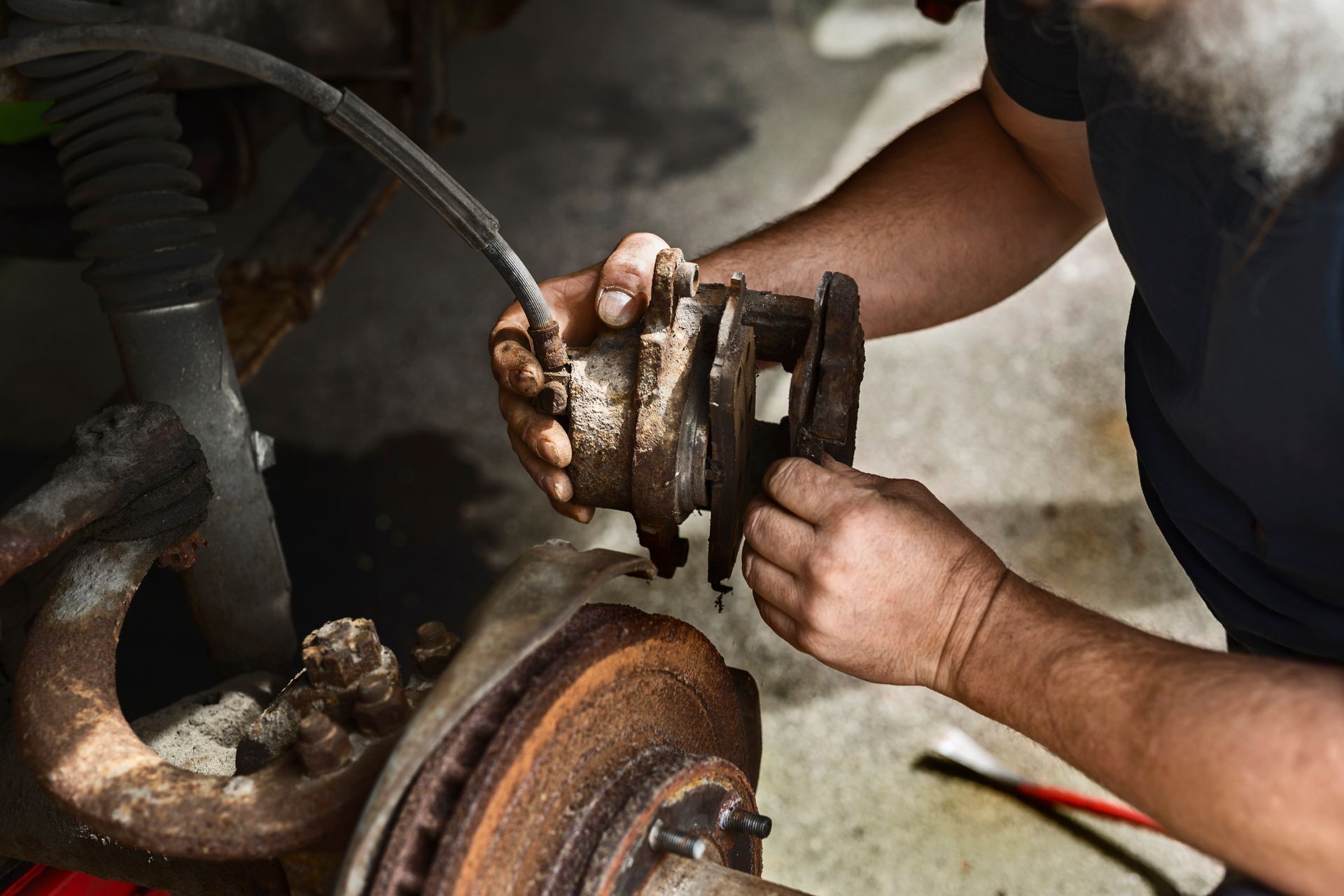
A comprehensive suspension inspection is critical to identify potential issues and ensure the longevity of your heavy-duty truck. During a full suspension inspection, the following components should be thoroughly checked:


Shock Absorbers and Struts: These are vital for controlling movement and stability. Check for leaks, cracks, or signs of excessive wear.


Springs: Inspect for cracks, breakage, or sagging. The springs should be intact and robust to support the weight of the truck effectively.


Bushings and Bearings: Look for signs of wear or damage. Worn bushings can lead to increased vibration and noise.


Mounts and Joints: Ensure that all mounts and joints are secure and free of excessive wear or play.


Air Suspension System: If your truck has an air suspension system, check for leaks, proper air pressure, and the condition of air bags.


Alignment: Verify the alignment of wheels and axles. Misalignment can cause uneven tire wear and affect handling.


Educating Drivers About Suspension Problems


Driver awareness is crucial in identifying early signs of suspension problems. Drivers should be trained to notice:


Unusual Noises: Squeaks, rattles, or clunks from the suspension are early indicators of potential issues.


Handling Difficulties: Difficulty in steering or a feeling of instability, especially when carrying loads, can signal suspension problems.


Visible Wear: Regularly checking for visible signs of wear on tires and suspension components.


Educating drivers about these signs and encouraging them to report any concerns promptly can prevent minor issues from escalating into major problems.


Risks of Not Maintaining Heavy-Duty Truck Suspension Systems


Neglecting suspension maintenance can lead to several risks, including:


Safety Hazards: A faulty suspension system can lead to loss of vehicle control, posing a significant safety risk to the driver and others on the road.


Increased Wear and Tear: An unmaintained suspension puts additional stress on other vehicle components, leading to more frequent repairs and reduced vehicle lifespan.


Decreased Performance and Efficiency: Poor suspension affects the truck's handling and can reduce fuel efficiency.


Costly Repairs and Downtime: Neglecting small issues can lead to major breakdowns, resulting in costly repairs and significant downtime.


Contact Mainline RV & Truck Repair for Heavy-Duty Truck Repair


If you’re facing issues with your heavy-duty truck’s suspension system, or if it’s time for a routine check-up, contact Mainline RV & Truck Repair. Our team of experienced professionals specializes in heavy-duty truck repairs and maintenance. Get in touch with us for a quote on heavy-duty truck repair.

Contact Us
April 27, 2026
Stop the "white-knuckle" driving! Learn what causes motorhome porpoising and how professional RV suspension upgrades can restore safety and comfort to your ride.
April 21, 2026
Don't let your RV generator die from disuse! Learn why "exercising" your Onan generator prevents costly repairs and keeps your motorhome ready for the road.
April 13, 2026
Safe stopping is as vital as engine power when towing a heavy load. Many truck owners overlook trailer brakes until an issue arises. At Mainline RV & Truck Service , we handle various towing setups, primarily electric and surge brakes. Both systems stop a trailer safely, but they operate differently and require separate trailer maintenance approaches. Understanding these differences is essential for road safety. We offer an expert comparison, including specific maintenance needs. Understanding the Fundamental Differences Before discussing what keeps them running smoothly, we should look at how the two systems operate. Electric brakes get their power from an electrical signal sent from the tow vehicle. Pressing the truck’s brake pedal tells the brake controller to send electricity to powerful electromagnets inside the trailer’s drum brakes. These magnets engage an armature plate, which then forces the brake shoes out against the inside of the drum. Surge brakes use hydraulics and work on their own, independent of the truck’s electrical system. Their operation is based on inertia. When the truck begins to slow down, the trailer pushes forward into the hitch. That physical pressure compresses a master cylinder built into the trailer coupler, which then pumps hydraulic fluid to the brake cylinders or calipers. Because one system is powered by electricity and the other by fluid pressure, their weak points and overall maintenance needs are very different. Electric Brakes: Fine-Tuning and Electrical Integrity Electric brakes are standard equipment for nearly all travel trailers and large, heavy-duty flatbed trailers. Since they depend on a good connection between the truck and the trailer, maintenance starts right at the hitch and extends all the way to the brake shoes. Adjusting the "Gain" on Your Brake Controller A key part of operating electric brakes is a setting that you control from inside the truck’s cab, not on the trailer itself. The “Gain” value on your brake controller sets the amount of electrical power sent to the trailer brakes. If the gain is set too low, the truck does all the braking work, which leads to your truck’s rotors getting too hot and your stopping distance increasing. Setting the gain too high means the trailer brakes will lock up easily. Routine truck trailer repair and safety checks involve resetting the gain any time the weight of your load changes significantly. A carefully adjusted gain ensures the truck and trailer brake together, preventing unnecessary stress on either vehicle. Troubleshooting "Grabby" or Locking Brakes A common complaint is that the trailer brakes feel “grabby,” meaning they engage too suddenly or violently with only a little pedal pressure. Often, something is causing a maintenance issue. Common reasons include: Corrosion on the electromagnets: If the trailer has been sitting unused, rust can form and cause the magnets to stick when engaged. Incorrect Gain settings: As mentioned earlier, improper calibration is a frequent culprit. Grease on the shoes: A failed wheel seal can let grease leak onto the brake components, leading to unpredictable braking action. During a professional trailer repair inspection, mechanics remove the drums to check that the magnets are wearing evenly and confirm that no oil or debris is contaminating the friction surfaces. Surge Brakes: Hydraulic Health and Fluid Management Surge brakes are most frequently seen on boat trailers (where electrical parts and water do not mix well) and on rental trailers (because the tow vehicle does not need a specialized controller). Checking Fluid Levels for Surge Couplers Surge brakes primarily fail due to low hydraulic fluid. As the master cylinder in the trailer's tongue or coupler is exposed to constant movement, seals wear, and moisture can enter the system. Routine maintenance requires checking the master cylinder reservoir fluid level; dark or cloudy fluid indicates moisture contamination, necessitating a full flush and replacement. Without sufficient, clean fluid, the surge coupler cannot generate the force required to activate the brakes, leaving the trailer brakeless. Inspecting the Moving Parts of the Coupler Since surge brakes work by the physical “sliding” movement of the coupler mechanism, that sliding part must be kept lubricated and clean. If the coupler rusts or jams up, the brakes might stay applied even when you are driving, or they may completely fail to engage when you slow down. The Common Ground: Shoe Adjustment and Wear The way the brake shoes are moved might be different, electricity for one, hydraulics for the other, but the shoes themselves need manual upkeep in both systems. Shoe Adjustment Intervals for Heavy-Duty Trailer Repair While some newer trailers feature self-adjusting brakes, many heavy-duty models still need manual adjustment. As the friction material on the brake shoes wears away, the space between the shoe and the drum increases. The result is a noticeable delay in braking response. For dependable safety, we advise having your brake shoes inspected and adjusted every 3,000 to 5,000 miles. During a trailer maintenance appointment, a technician uses a “star wheel” adjuster to move the shoes closer to the drum. This ensures that the trailer brakes immediately when you press the pedal. Which System is More Maintenance-Intensive? Surge brakes demand hands-on maintenance (checking fluid/grease). Electric brakes risk less obvious electrical failures (wiring, fuses, ground). For heavy loads, electric brakes offer a manual override for sway correction, but require electrical knowledge for troubleshooting. Surge brakes are simpler for the driver but need constant hydraulic system vigilance to prevent failure. Summary Checklist for Trailer Safety Keep your trailer operating at its best by following these simple guidelines: Annual Inspections: Have a certified professional examine your brakes and wheel bearings at least once a year, regardless of how many miles you have driven. Test Before You Tow: Always perform a quick “tug test” to confirm the brakes are working before you get out on the road. Watch for Corrosion: Check the 7-way electrical plug (for electric brakes) or your brake fluid lines (for surge brakes) for any signs of rust or damage. Listen: Squeaking, grinding, or clicking sounds are the most immediate indicators that truck trailer repair is necessary. Contact Mainline RV & Truck Service for Trailer Repair & More! Taking care of your trailer brakes is about more than just protecting your equipment; it directly impacts the safety of everyone sharing the road. If you are struggling with a malfunctioning brake controller, a leaking surge master cylinder, or you simply need a routine adjustment of your brake shoes, the experts at Mainline RV & Truck Service are ready to assist. We specialize in comprehensive trailer maintenance, truck trailer repair, and heavy-duty trailer repair services. Don't leave your stopping power to chance. Contact us online today .
By Mainline Truck Team March 10, 2026
Learn how to identify alignment vs. suspension-related irregular tire wear and enhance safety and performance. Call Mainline RV & Truck Service today.
By Mainline Truck Team March 2, 2026
Learn the importance of air brake winterization in Ohio, along with proven strategies to keep your system functioning. Contact Mainline RV & Truck Service.
By Mainline Truck Team March 2, 2026
Learn what black, white, and blue smoke from a diesel exhaust mean and when you need to seek semi-truck repairs. Contact Mainline RV & Truck Service.
By Mainline Truck Team January 5, 2026
Discover why the 3,000-mile rule is a myth and how to set the right truck oil change interval for your fleet. Contact Mainline RV & Truck Service today.
By Mainline Truck Team December 24, 2025
Learn what to expect from a commercial truck shop, from quick fixes and full services to fleet-focused value. Contact Mainline RV & Truck Service today.
By Mainline Truck Team December 24, 2025
Learn the essentials of heavy-duty truck service that improve performance, reduce downtime, and extend lifespan. Contact Mainline RV & Truck Service today.
By Mainline Truck Team December 22, 2025
Learn how to back up a motorhome with these expert tips, essential tools, and confidence-building strategies. Contact our motorhome repair shop for more.