Professional Tips for Better Truck Fleet Management
WSI ALM • January 9, 2024

Professional Tips for Better Truck Fleet Management


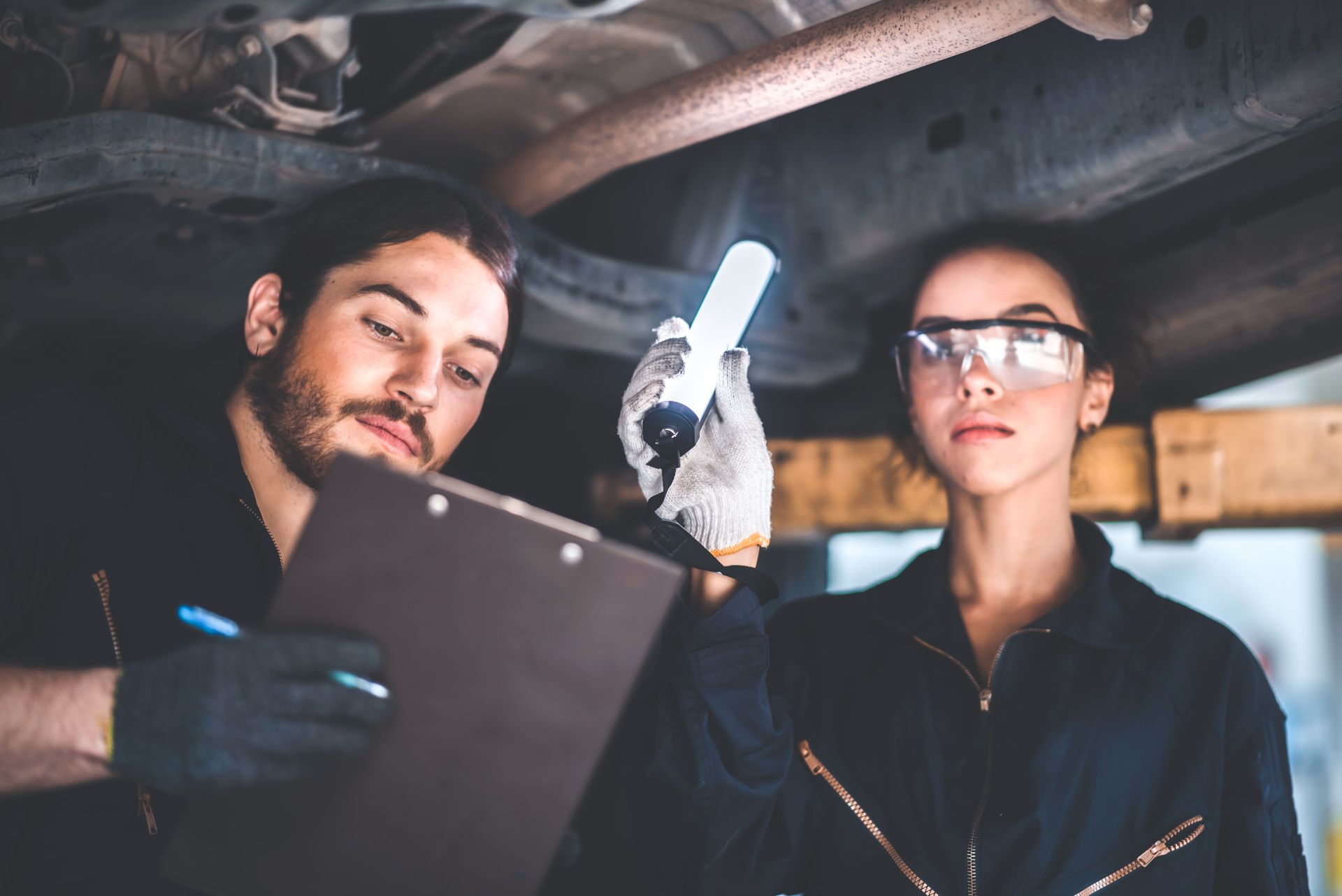
If your operation relies on working vehicles such as cargo trucks or heavy machinery, it's absolutely vital to develop a fleet management plan. There should be a regular, documented system for handling inspections and repairs, along with plenty of documentation, to ensure your vehicles are always ready for duty. Without putting in this work, they'll be prone to more breakdowns - which puts your workers and assets at risk, while incurring completely avoidable financial losses.


Mainline RV & Truck Service aren't merely Ohio's leaders in truck service - we also provide comprehensive fleet management and maintenance contracts which can take all the maintenance burdens off your shoulders. We know how to keep a fleet rolling!


However, if you want to keep those services in-house, we can still offer plenty of tips for implementing or improving your own fleet management system!


I. Fleet Management for Light-Duty Vehicles


Light duty vehicles typically include smaller working vehicles such as pick-up trucks, vans, or SUVs. They're often put together from consumer-grade equipment, or mixed-used vehicles such as Ford F-350s. This can make service and maintenance a bit easier, since you can get parts from most everyday car and truck shops.


The most important aspects to focus on with light-duty vehicles are:


1 - Standardizing your inspections


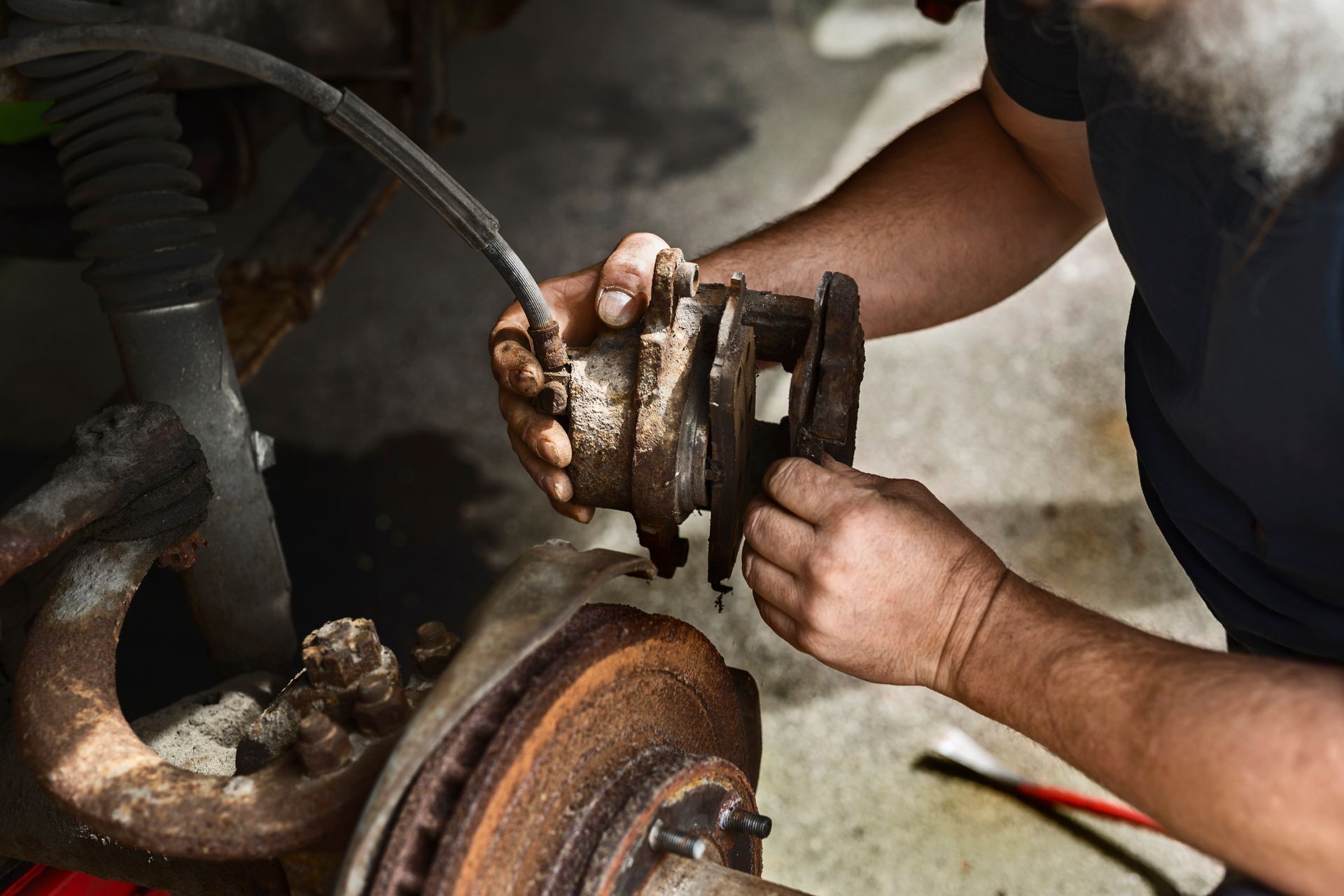
You should develop a comprehensive list of all elements of your vehicles that need regular inspections. This includes the wheels, tires, engine, suspension, brakes, wiring, and all other critical components. The important thing is to standardize this across all applicable vehicles and have a well-documented schedule for doing these inspections.


2 - Focus on preventative maintenance


Your fleet management and maintenance plan should be proactive! Don't let components fail. Keep up with their maintenance and replace components once they reach their end-of-life (EOL), even if they currently seem to be running OK.


Having a central database will help immensely here. This allows you to track each component on each vehicle, along with key information such as when it was last serviced, and the expected EOL based on original manufacturer's estimates. More advanced software packages designed for fleet management can even offer alerts, such as notifying you when a key component is nearing its EOL or hasn't been serviced within a selected timeframe.


3 - Investing in an inspection app


We highly recommend investing in a mobile inspection app that can be installed on all your maintenance workers' and drivers' cell phones. This allows any authorized person to do the inspection, based on a standard checklist built into the app. This will also be capable of transmitting its data to a central database, allowing you to track and analyze maintenance issues over time from a central dashboard.


II. Fleet Management for Medium/Heavy-Duty Vehicles


Medium and heavy-duty vehicles are typically specialty equipment, such as full tractor-trailers and other heavy haulers. These workhorses are designed to go long periods without malfunctioning, but they still need plenty of maintenance in between jobs to ensure they're running in good shape.

Basic fleet management is the same as with light-duty vehicles. You should have standardized inspections for every vehicle in the same class, paired with a schedule that is always adhered to. Having apps and fleet management software is even more important, particularly if you have a large number of vehicles. Trying to track everything on paper is too error-prone; you need a software solution here.


However, there are some other tips to be aware of.


1 - Install telematic trackers


One of the secrets to great heavy-duty fleet management is to install telematic systems that capture, track, and report data on your vehicles while they're on the road. At the bare minimum, they should have a GPS system constantly reporting their whereabouts. This helps you keep track of your trucks but also yields secondary data such as allowing you to oversee your drivers' driving habits. Comparing average speeds to speed limits, for example, will tell you who's speeding.

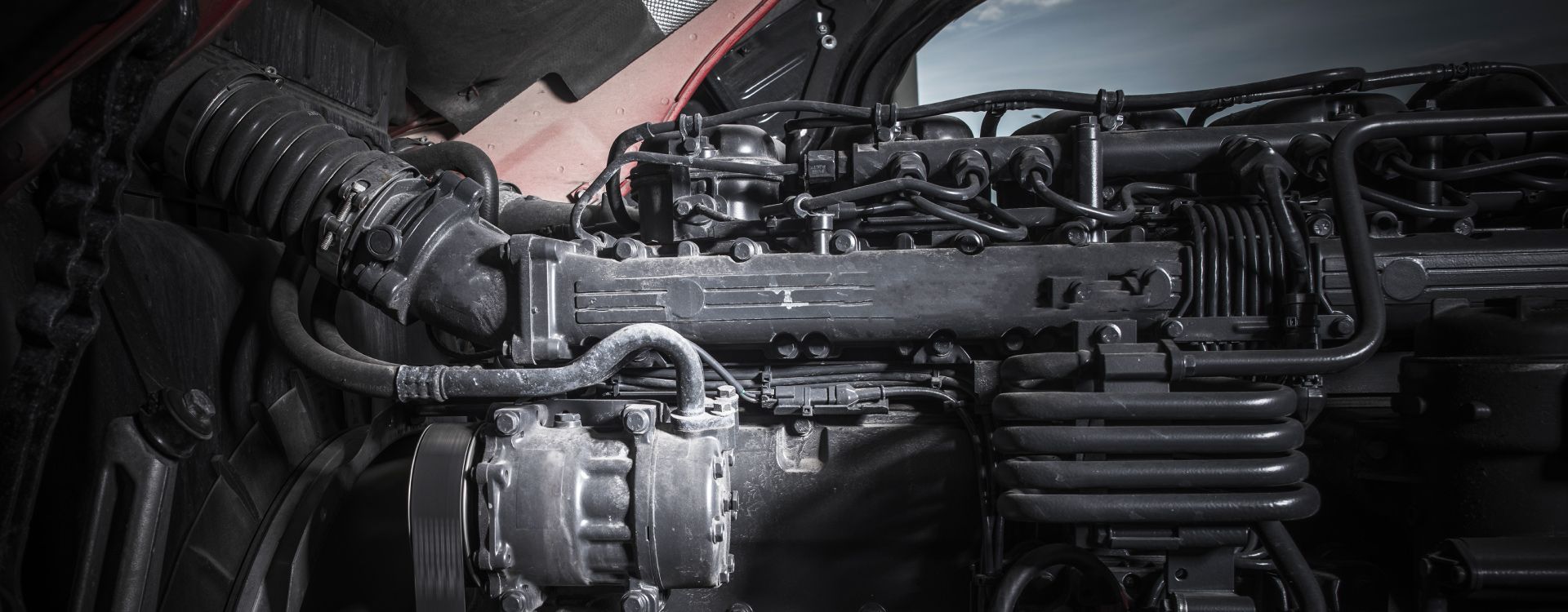
If the telematics also report on the condition of key components such as the engine, wheels, and brakes, that's even better. It's all data that can go into your database and allow deep-dive analysis of maintenance issues and expenses over time.


2 - Maintaining your DVIR compliance


Driver Vehicle Inspection Reports (DVIRs) are mandated by the US Department of Transportation for large commercial vehicles, and these regulations apply to virtually any medium or heavy-duty vehicle. This means your drivers must be keeping track of maintenance and usage of their vehicles, typically through the use of an electronic device called an eDVIR.


The nice thing about eDVIRs is that they report their data to your own systems as well, so they become another tool in maintenance and proactive service of your fleet. Of course, the eDVIRs need to be maintained as well, and you should always have spares on hand if your driver has trouble with their current unit.


3 - Workflow automation


For larger fleets, it's worthwhile investing in software - or a fleet maintenance partner - that is capable of automating maintenance service orders. Software can keep track of dozens of vehicles with hundreds or thousands of key components and provide necessary alerts or tickets whenever maintenance is called for. Particularly advanced systems can even utilize rudimentary AI to notice problems, such as if an individual vehicle is suddenly consuming significantly more fuel for no apparent reason.


This makes it far easier to stay on top of proactive fleet maintenance and prevent breakdowns from sneaking up on you.


Mainline RV & Truck Service Are Your Fleet Management Partners


For many years, drivers across Ohio and surrounding states have known they can always bring their rigs to Mainline for the best service. We can also bring our services to you! Our contract truck maintenance packages are reasonably priced and can easily pay for themselves by preventing breakdowns and other problems that can hurt your productivity. We put in the hard work, so you can enjoy the benefits of a well-maintained vehicle fleet.


Please contact us to discuss your service needs.

Contact Us

April 27, 2026
Stop the "white-knuckle" driving! Learn what causes motorhome porpoising and how professional RV suspension upgrades can restore safety and comfort to your ride.
April 21, 2026
Don't let your RV generator die from disuse! Learn why "exercising" your Onan generator prevents costly repairs and keeps your motorhome ready for the road.
April 13, 2026
Safe stopping is as vital as engine power when towing a heavy load. Many truck owners overlook trailer brakes until an issue arises. At Mainline RV & Truck Service , we handle various towing setups, primarily electric and surge brakes. Both systems stop a trailer safely, but they operate differently and require separate trailer maintenance approaches. Understanding these differences is essential for road safety. We offer an expert comparison, including specific maintenance needs. Understanding the Fundamental Differences Before discussing what keeps them running smoothly, we should look at how the two systems operate. Electric brakes get their power from an electrical signal sent from the tow vehicle. Pressing the truck’s brake pedal tells the brake controller to send electricity to powerful electromagnets inside the trailer’s drum brakes. These magnets engage an armature plate, which then forces the brake shoes out against the inside of the drum. Surge brakes use hydraulics and work on their own, independent of the truck’s electrical system. Their operation is based on inertia. When the truck begins to slow down, the trailer pushes forward into the hitch. That physical pressure compresses a master cylinder built into the trailer coupler, which then pumps hydraulic fluid to the brake cylinders or calipers. Because one system is powered by electricity and the other by fluid pressure, their weak points and overall maintenance needs are very different. Electric Brakes: Fine-Tuning and Electrical Integrity Electric brakes are standard equipment for nearly all travel trailers and large, heavy-duty flatbed trailers. Since they depend on a good connection between the truck and the trailer, maintenance starts right at the hitch and extends all the way to the brake shoes. Adjusting the "Gain" on Your Brake Controller A key part of operating electric brakes is a setting that you control from inside the truck’s cab, not on the trailer itself. The “Gain” value on your brake controller sets the amount of electrical power sent to the trailer brakes. If the gain is set too low, the truck does all the braking work, which leads to your truck’s rotors getting too hot and your stopping distance increasing. Setting the gain too high means the trailer brakes will lock up easily. Routine truck trailer repair and safety checks involve resetting the gain any time the weight of your load changes significantly. A carefully adjusted gain ensures the truck and trailer brake together, preventing unnecessary stress on either vehicle. Troubleshooting "Grabby" or Locking Brakes A common complaint is that the trailer brakes feel “grabby,” meaning they engage too suddenly or violently with only a little pedal pressure. Often, something is causing a maintenance issue. Common reasons include: Corrosion on the electromagnets: If the trailer has been sitting unused, rust can form and cause the magnets to stick when engaged. Incorrect Gain settings: As mentioned earlier, improper calibration is a frequent culprit. Grease on the shoes: A failed wheel seal can let grease leak onto the brake components, leading to unpredictable braking action. During a professional trailer repair inspection, mechanics remove the drums to check that the magnets are wearing evenly and confirm that no oil or debris is contaminating the friction surfaces. Surge Brakes: Hydraulic Health and Fluid Management Surge brakes are most frequently seen on boat trailers (where electrical parts and water do not mix well) and on rental trailers (because the tow vehicle does not need a specialized controller). Checking Fluid Levels for Surge Couplers Surge brakes primarily fail due to low hydraulic fluid. As the master cylinder in the trailer's tongue or coupler is exposed to constant movement, seals wear, and moisture can enter the system. Routine maintenance requires checking the master cylinder reservoir fluid level; dark or cloudy fluid indicates moisture contamination, necessitating a full flush and replacement. Without sufficient, clean fluid, the surge coupler cannot generate the force required to activate the brakes, leaving the trailer brakeless. Inspecting the Moving Parts of the Coupler Since surge brakes work by the physical “sliding” movement of the coupler mechanism, that sliding part must be kept lubricated and clean. If the coupler rusts or jams up, the brakes might stay applied even when you are driving, or they may completely fail to engage when you slow down. The Common Ground: Shoe Adjustment and Wear The way the brake shoes are moved might be different, electricity for one, hydraulics for the other, but the shoes themselves need manual upkeep in both systems. Shoe Adjustment Intervals for Heavy-Duty Trailer Repair While some newer trailers feature self-adjusting brakes, many heavy-duty models still need manual adjustment. As the friction material on the brake shoes wears away, the space between the shoe and the drum increases. The result is a noticeable delay in braking response. For dependable safety, we advise having your brake shoes inspected and adjusted every 3,000 to 5,000 miles. During a trailer maintenance appointment, a technician uses a “star wheel” adjuster to move the shoes closer to the drum. This ensures that the trailer brakes immediately when you press the pedal. Which System is More Maintenance-Intensive? Surge brakes demand hands-on maintenance (checking fluid/grease). Electric brakes risk less obvious electrical failures (wiring, fuses, ground). For heavy loads, electric brakes offer a manual override for sway correction, but require electrical knowledge for troubleshooting. Surge brakes are simpler for the driver but need constant hydraulic system vigilance to prevent failure. Summary Checklist for Trailer Safety Keep your trailer operating at its best by following these simple guidelines: Annual Inspections: Have a certified professional examine your brakes and wheel bearings at least once a year, regardless of how many miles you have driven. Test Before You Tow: Always perform a quick “tug test” to confirm the brakes are working before you get out on the road. Watch for Corrosion: Check the 7-way electrical plug (for electric brakes) or your brake fluid lines (for surge brakes) for any signs of rust or damage. Listen: Squeaking, grinding, or clicking sounds are the most immediate indicators that truck trailer repair is necessary. Contact Mainline RV & Truck Service for Trailer Repair & More! Taking care of your trailer brakes is about more than just protecting your equipment; it directly impacts the safety of everyone sharing the road. If you are struggling with a malfunctioning brake controller, a leaking surge master cylinder, or you simply need a routine adjustment of your brake shoes, the experts at Mainline RV & Truck Service are ready to assist. We specialize in comprehensive trailer maintenance, truck trailer repair, and heavy-duty trailer repair services. Don't leave your stopping power to chance. Contact us online today .
By Mainline Truck Team March 10, 2026
Learn how to identify alignment vs. suspension-related irregular tire wear and enhance safety and performance. Call Mainline RV & Truck Service today.
By Mainline Truck Team March 2, 2026
Learn the importance of air brake winterization in Ohio, along with proven strategies to keep your system functioning. Contact Mainline RV & Truck Service.
By Mainline Truck Team March 2, 2026
Learn what black, white, and blue smoke from a diesel exhaust mean and when you need to seek semi-truck repairs. Contact Mainline RV & Truck Service.
By Mainline Truck Team January 5, 2026
Discover why the 3,000-mile rule is a myth and how to set the right truck oil change interval for your fleet. Contact Mainline RV & Truck Service today.
By Mainline Truck Team December 24, 2025
Learn what to expect from a commercial truck shop, from quick fixes and full services to fleet-focused value. Contact Mainline RV & Truck Service today.
By Mainline Truck Team December 24, 2025
Learn the essentials of heavy-duty truck service that improve performance, reduce downtime, and extend lifespan. Contact Mainline RV & Truck Service today.
By Mainline Truck Team December 22, 2025
Learn how to back up a motorhome with these expert tips, essential tools, and confidence-building strategies. Contact our motorhome repair shop for more.