How to Prepare Your Commercial Truck for Winter Weather
Winter weather can create dangerous challenges for commercial truck drivers, making preparation even more important than during the summer or spring months for safety and efficiency. The harsh conditions of snow, ice, and freezing temperatures not only test the endurance of your vehicle but also demand heightened vigilance from drivers. Here is some professional advice on how to prepare your truck for winter weather, and how to find commercial truck repairs when something unexpected happens.
The Golden Rule of Winter Weather Driving
Safety should always be your priority when driving in winter conditions. The golden rule of winter weather driving is to slow down and remain alert. Reduced speed and cautious maneuvering are vital when navigating icy or snow-covered roads. Visibility can also be compromised during heavy snow or fog, so maintaining a safe distance from other vehicles is essential. Be prepared to adjust your driving habits to the conditions at hand, remembering that even the most well-prepared truck is only as safe as its driver.
Prepare for Each Trip
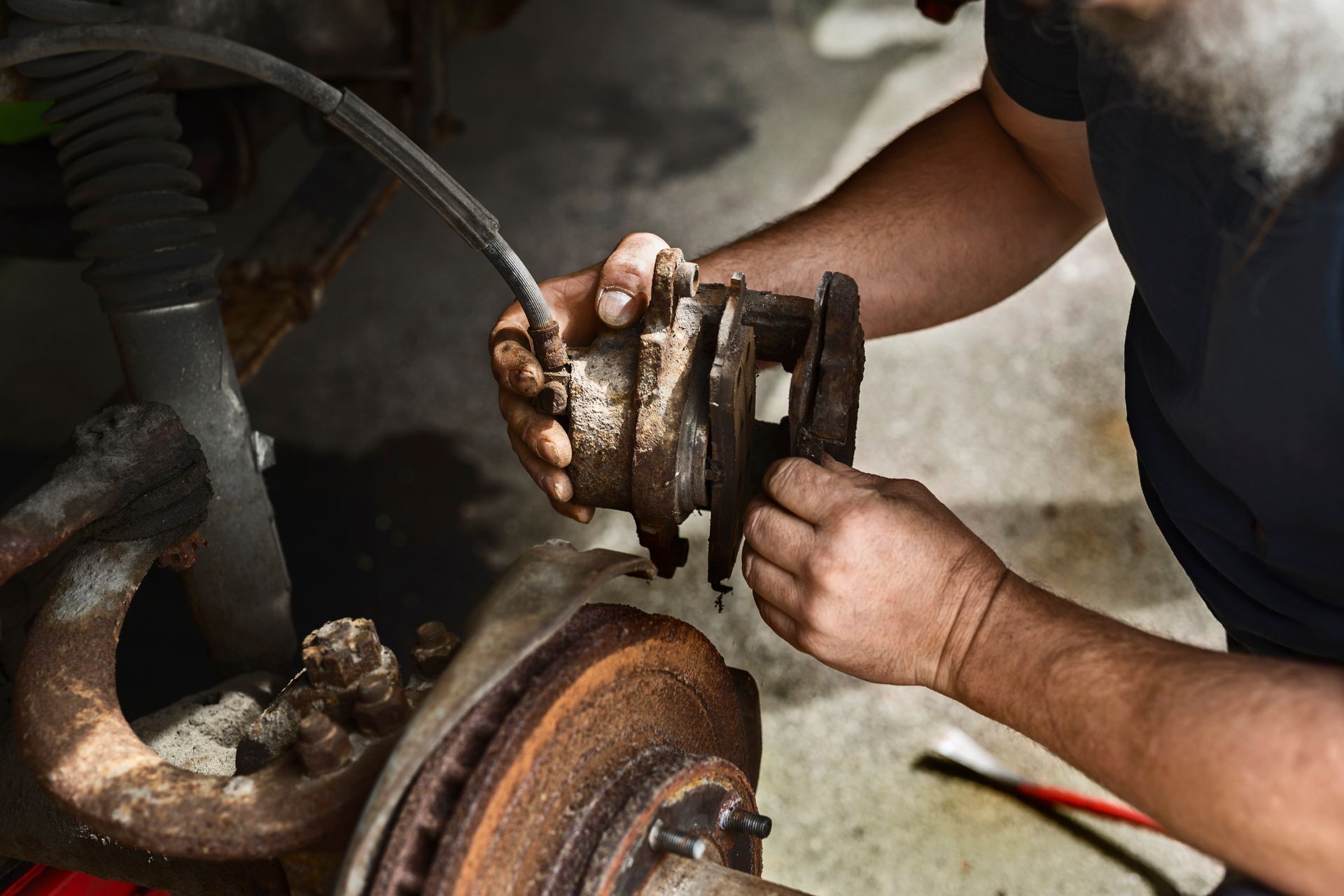
Every winter trip demands thorough preparation. Before hitting the road, conduct a detailed inspection of your truck. Check your brakes, lights, and wipers to ensure they’re functioning optimally. Examine your windshield washer fluid levels and ensure you’re using a winter-grade solution to prevent freezing. Verify that your defrosters and heaters are working correctly, as clear visibility and cabin warmth are vital during winter travel. Additionally, review your planned route for weather advisories or road closures, and always have a backup plan in case conditions worsen.
What to Pack in Your Emergency Kit
An emergency kit is a lifeline during unforeseen circumstances on the road. Essential items to include are:
- A high-quality flashlight and extra batteries.
- Warm clothing, blankets, and gloves.
- Non-perishable food and bottled water.
- A fully charged mobile phone and a portable charger.
- Basic tools such as a multi-tool, pliers, and a wrench.
- Jumper cables, flares, and reflective triangles.
- Sand, salt, or cat litter for added traction.
- A sturdy ice scraper and snow brush.
- A first-aid kit for minor injuries.
Having these items ready can make all the difference in an emergency, ensuring you’re prepared to stay safe and comfortable until help arrives.
How to Winterize Trucks: What Drivers Need to Do
Winterizing your truck is a multi-step process that prepares it to withstand freezing temperatures and icy roads. Start by inspecting the battery, as cold weather can significantly reduce its efficiency. Ensure it’s fully charged and clean the terminals to avoid connection issues. Check the antifreeze levels and confirm the coolant-to-water ratio is suitable for extreme cold. Inspect the fuel system for leaks, and use an anti-gel additive if necessary to prevent diesel fuel from gelling in low temperatures.
Ensure all hoses and belts are free from cracks or wear, as cold weather can exacerbate existing damage. Verify that your air dryer system is functioning properly to prevent moisture buildup, which can freeze and cause braking issues. Regularly lubricate locks, hinges, and other moving parts to prevent them from freezing.
Winter Tire Tips for Truckers
Proper tires are critical for safe winter driving. Inspect your tires for adequate tread depth—a minimum of 4/32 of an inch is recommended for steer tires and 2/32 of an inch for drive and trailer tires. Consider switching to winter tires if you frequently drive in snowy or icy conditions, as they provide better grip and handling. Regularly check tire pressure, as cold weather can cause it to drop, reducing traction and increasing wear.
Additionally, keep a close eye on your tire’s overall condition. Look for signs of damage, such as cuts, bulges, or uneven wear, and replace tires as needed to ensure optimal performance during winter months.
How to Put on Semi-truck Tire Chains
Tire chains are an essential tool for navigating icy or snowy roads, providing much-needed traction when conditions are severe. To install tire chains:
- Lay the chains flat on the ground to ensure there are no tangles.
- Place the chains over the drive tires, ensuring the hooks face outward to avoid damage to the tires.
- Slowly drive forward to expose the rest of the tire, then secure the chains tightly using the fasteners.
- Once the chains are in place, drive a short distance and recheck their tension, tightening as necessary.
Practice installing chains in a safe, controlled environment before encountering adverse conditions on the road to ensure you’re prepared when the need arises.
Additional Winter Weather Protection
In addition to the essentials, consider taking extra precautions to protect your truck from winter conditions. Use engine block heaters to ensure easier starts in extreme cold, and park in sheltered or wind-protected areas whenever possible. Invest in quality mud flaps and fenders to reduce snow and ice buildup on the vehicle’s undercarriage. Regularly wash your truck to remove road salt and chemicals that can corrode metal parts.
Always maintain a consistent schedule of winter-specific maintenance. Regular oil changes with the appropriate winter-grade oil, frequent inspections, and timely repairs will keep your truck in peak condition throughout the season.
Understanding the Impact of Cold Weather on Truck Systems
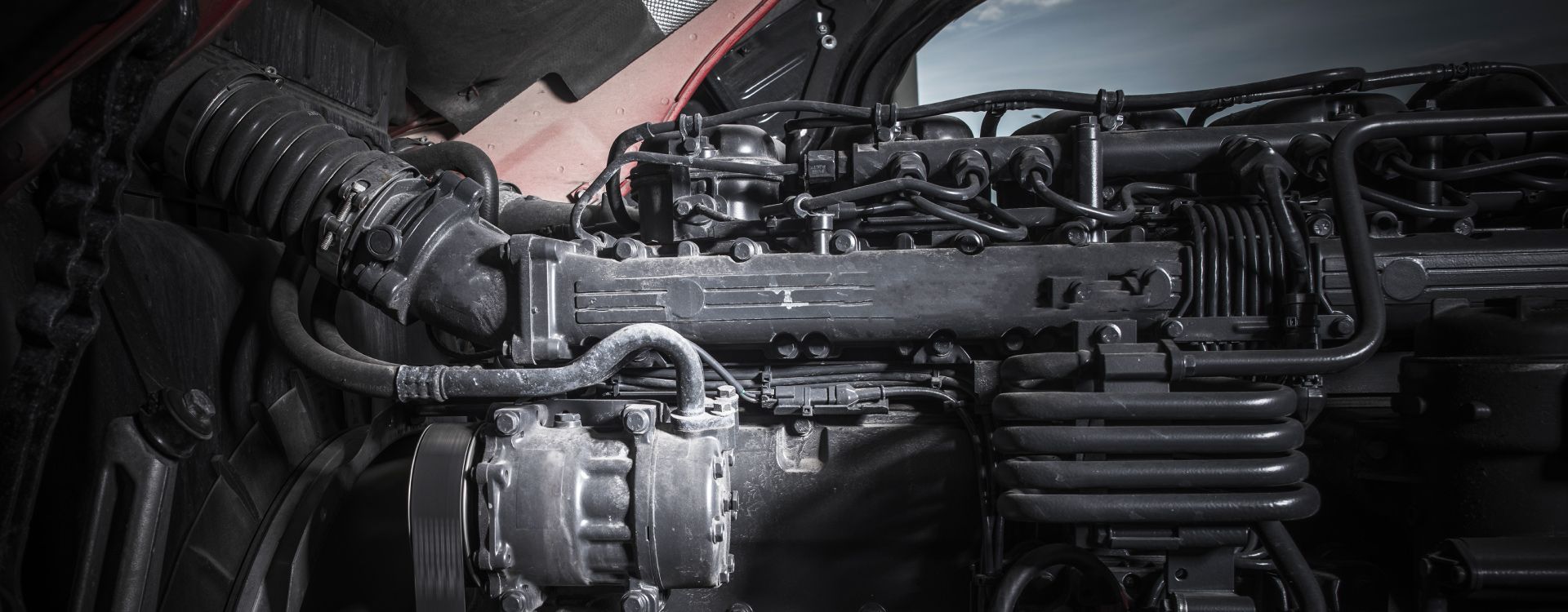
Cold weather affects various truck systems in unique ways, requiring extra vigilance from drivers. The engine is particularly vulnerable, as prolonged exposure to freezing temperatures can make it harder to start and operate efficiently. Additionally, hydraulic systems may become sluggish, reducing performance. Grease and lubricants can thicken in the cold, which might strain components like wheel bearings and hinges. By proactively addressing these issues with regular maintenance and monitoring, you can minimize the risk of breakdowns and costly repairs.
Importance of Driver Training for Winter Conditions
Even with a well-prepared truck, a driver’s ability to handle winter conditions is crucial. Comprehensive training programs can help drivers improve their skills for navigating snow and ice. These programs cover techniques like skid control, braking on slick surfaces, and recognizing black ice. Regular refresher courses ensure that drivers stay up-to-date with the latest safety protocols and are better equipped to respond to emergencies. Investing in driver training is not just about safety; it’s also about building confidence for tackling winter’s toughest challenges.
Leveraging Technology to Stay Safe in Winter
Modern technology has many tools to enhance safety during winter driving. GPS systems with real-time weather updates help drivers plan safer routes and avoid hazardous conditions. Advanced driver-assistance systems (ADAS), such as lane-keeping assistance and automatic emergency braking, provide an extra layer of protection on slippery roads. Telematics systems can monitor vehicle performance and alert drivers to potential issues before they escalate. By incorporating these technologies into your fleet, you can significantly reduce risks and improve overall efficiency.
Regular Maintenance Checks for Winter Safety
Regular maintenance checks ensure your truck’s performance and reliability during winter months. Schedule routine inspections that focus on the areas most affected by cold weather, such as the braking system, engine cooling system, and suspension. Ensure your windshield wipers are in excellent condition and replace them if they leave streaks or struggle to clear snow and ice. Inspect your lighting system to ensure all bulbs are functioning, as winter driving often occurs during low-light conditions.
Fuel filters should be checked and replaced regularly to avoid clogs caused by cold-induced gelling. Regularly draining moisture from the air tanks can prevent freezing issues that impact the braking system.
Emergency Preparedness for Long-Distance Winter Travel
For truck drivers covering long distances during winter, preparedness goes beyond carrying an emergency kit. Familiarize yourself with the emergency protocols of the regions you’ll be driving through, as different states or provinces may have specific requirements for snow tires or chains. Keep a list of emergency contacts, including local towing services, repair shops, and weather hotlines.
Consider joining a roadside assistance program that caters to commercial vehicles. These programs can provide peace of mind and immediate help in case of a breakdown. Always have a plan for overnight stops, ensuring that you can park in safe, well-lit areas with access to essential amenities.
Contact Mainline RV & Truck Service for Commercial Truck Repairs
Even with thorough preparation, winter weather can take a toll on your truck. If you encounter mechanical issues or need expert assistance, Mainline RV & Truck Service is here to help. Our technicians specialize in commercial truck repairs and maintenance, ensuring your vehicle is ready to face the toughest winter conditions. Contact us to schedule a service appointment and keep your truck running smoothly all winter long.
Contact Us