Your Guide to Heavy-Duty Truck Repair and Servicing
Heavy-duty trucks keep our economy moving as they transport goods across vast distances and often operate under challenging conditions and tight schedules. As a fleet manager, owner-operator, or commercial diesel technician, you understand that the key to keeping these vehicles on the road and performing at their best lies in regular maintenance and timely repairs.
This guide from the team at
Mainline Truck will go over the important aspects of
heavy-duty truck repair and servicing to help you maximize vehicle uptime, ensure safety, and optimize your fleet's performance.
The Critical Role of Preventive Maintenance
Preventive maintenance can make all the difference in heavy-duty truck operation. By taking care of issues before they become major problems, you can reduce downtime, extend the lifespan of vehicles, and maintain the best performance.
Here's why preventive maintenance is so crucial:
- Cost Savings: Regular maintenance is far less expensive than major repairs or replacements.
- Improved Safety: Well-maintained trucks are less likely to experience failures on the road.
- Enhanced Efficiency: Properly serviced vehicles consume less fuel and operate more efficiently.
- Regulatory Compliance: Regular maintenance helps ensure your fleet meets safety and emissions standards.
Implementing a strong
preventive maintenance program involves scheduling regular check-ups and services based on mileage, operating hours, or time intervals. This allows you to have minor issues looked at before they develop into major problems that could sideline your vehicle.
Key Heavy-Duty Truck Components Requiring Regular Attention
Tires and Wheel Bearings
Tires are one of the most important components of a heavy-duty truck as they impact safety, fuel efficiency, and performance. Regular tire maintenance should include:
- Rotation to ensure even wear
- Pressure checks and adjustments
- Tread depth measurements
- Alignment checks
Additionally, wheel bearings play a major role in supporting the vehicle's weight and facilitating smooth wheel rotation. Signs of wheel bearing issues are difficulty in steering, grating noises while driving, and vibrations at higher speeds. Regular inspecting and lubricating wheel bearings can prevent premature wear and failures.
Brake System
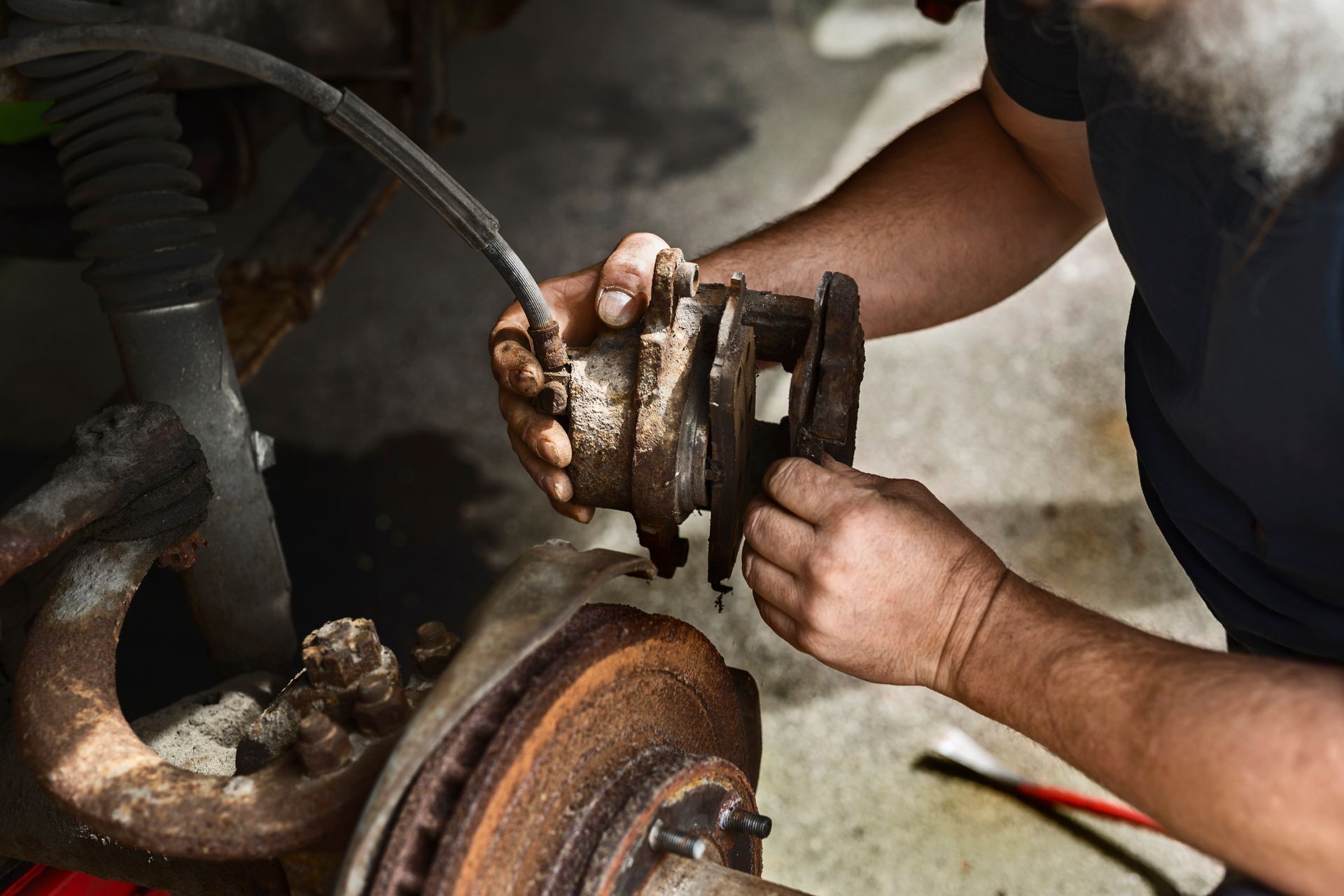
Given the size and weight of heavy-duty trucks, a good brake system is important for its proper functioning. Regular brake maintenance should include an inspection of brake pads, rotors, calipers, and drums. Brake fluid should also be checked and replaced as needed. Additionally, it should include a cleaning of the brake system components to prevent dust buildup. Pay attention to warning signs such as squealing or grinding noises, increased stopping distances, or vibrations when braking. These symptoms indicate that immediate
brake service is needed.
Fluids and Lubrication
There are various fluids that are pivotal for keeping a heavy-duty truck running smoothly. Regular fluid checks and changes are essential for making sure a heavy-duty truck runs well and has a long lifespan. Key fluids to monitor include:
- Engine Oil: Lubricates and cools engine components.
- Transmission Fluid: Ensures smooth gear shifts and transmission operation.
- Coolant: Regulates engine temperature.
- Brake Fluid: Enables proper brake system function.
- Power Steering Fluid: Facilitates easy steering.
Each fluid has certain service intervals and quality requirements. Adhering to manufacturer recommendations for fluid changes and using the correct types of fluids is important for maintaining your truck's health.
Electrical System and Wiring
The electrical system in a heavy-duty truck is complex and vital for various functions, from starting the engine to powering lights and electronic controls. Regular electrical system maintenance should include battery checks and cleaning, alternator performance testing, starter motor inspection, and wiring harness examination for wear or damage. Be alert for signs of electrical issues, such as dimming lights, slow starter motor engagement, or intermittent electrical component failures. Taking care of these problems right away can prevent more serious electrical system failures down the road.
The Power of Diagnostic Health Checks
One of the most valuable tools in modern heavy-duty truck maintenance is the diagnostic health check. These evaluations use advanced diagnostic tools to assess the health of your vehicle quickly and accurately. Benefits of regular diagnostic health checks include:
- Early Problem Detection: Identify issues before they lead to breakdowns.
- Comprehensive Evaluation: Check multiple systems and components simultaneously.
- Time Efficiency: Quickly pinpoint problems without extensive manual inspections.
- Data-Driven Decisions: Use detailed reports to make informed maintenance choices.
Many diagnostic tools can perform total vehicle diagnostic routines and check everything from engine performance to peripheral electronic controllers. They usually generate detailed reports that can be stored digitally or integrated with
fleet management systems.
How to Recognize Warning Signs in Your Truck
While regular maintenance is crucial, it's equally important to be aware of warning signs that indicate your truck needs immediate attention. Some key indicators include:
Engine Overheating
Signs of engine overheating include steam or smoke from under the hood, unusual engine noise, burning smells, and dashboard warning lights. Ignoring these symptoms can lead to severe engine damage, so make sure these issues are looked at immediately.
Starter Failure
If you turn the key and hear no sound or see no sign of the starter engaging, it could indicate a starter problem. This might be due to faulty wiring, worn-out starter components, and battery issues. Be sure to have these problems looked at right away to prevent unexpected breakdowns and safety hazards.
U-Joint Failure
Universal joints (U-joints) are major components in a truck's drivetrain. If your U-joint is failing, you might hear loud clunking or squeaking noises when driving or turning, and vibrations that intensify during braking. U-joint failures can lead to loss of vehicle control, which makes immediate repair essential.
Utilizing Technology in Truck Maintenance
Heavy-duty truck maintenance strategies are evolving quickly, as new technologies offer unprecedented insights into vehicle health and performance. Here are some key technological advancements:
- Telematics Systems: These systems provide real-time data on vehicle location, performance, and driver behavior, which allows for more proactive maintenance scheduling.
- Predictive Maintenance Software: By analyzing data from various sensors and components, this software can predict when maintenance will be needed and help to prevent unexpected breakdowns.
- Mobile Diagnostic Tools: Portable devices allow technicians to perform comprehensive diagnostics and repairs in the field.
- Virtual Reality Training: Advanced training systems using VR technology can help technicians learn complex repair procedures more efficiently.
The Environmental Impact of Proper Maintenance
Today, it's important to recognize that proper heavy-duty truck maintenance doesn't just benefit your bottom line—it also has a positive impact on the environment. Well-maintained trucks produce fewer emissions which helps to reduce air pollution. They also consume less fuel and require fewer replacement parts. When you prioritize maintenance, not only are you ensuring the lifespan and efficiency of your fleet but you’re also contributing to a cleaner, more sustainable future for the transportation industry.
Building a Culture of Proper Maintenance
Creating a strong
maintenance program is more than just about following schedules and performing repairs. It involves establishing a culture of regular maintenance habits throughout your organization. By using the following principles in your organization's culture, you can create a proactive and efficient maintenance program that keeps your fleet running smoothly and safely:
- Regular Training: Keep your technicians up-to-date with the latest maintenance techniques and technologies.
- Clear Communication: Establish clear channels for drivers to report issues and for maintenance teams to communicate repairs and schedules.
- Data-Driven Decision-Making: Use maintenance data to inform your fleet management strategies and identify areas for improvement.
- Continuous Improvement: Regularly review and refine your maintenance processes to ensure they remain effective and efficient.
Schedule an Appointment for Heavy-Duty Truck Repair with Mainline Truck!
Maintaining a fleet of heavy-duty trucks is a complex and demanding task, but it's important for the success of your business and the safety of your drivers and others on the road. At Mainline Truck, we understand the challenges of heavy-duty truck maintenance and repair. Our team of experienced technicians is equiped with the latest diagnostic tools and has the expertise to keep your fleet in top condition.
Whether you need routine maintenance,
emergency repairs, or comprehensive fleet management solutions, Mainline Truck is here to help. We offer:
- State-of-the-art diagnostic services
- Comprehensive preventive maintenance programs
- Expert repairs on all major truck systems
- Emergency road services
- Customized fleet management solutions
Take a proactive approach to your fleet's health by partnering with Mainline Truck.
Contact us today to schedule an appointment or learn more about how we can help optimize your fleet's performance and reliability.
Contact Us