Factors That Impact Your Motorhome's Price and Resale Value
Whether you're a seasoned RVer looking to upgrade or a first-time owner considering future resale, it is essential to understand the factors that influence your motorhome's resale value. The RV market, like any other, is subject to fluctuations, but certain elements consistently affect the price your used RV can command.
From age and mileage to brand reputation and upgrades, here are the key aspects that impact your motorhome's resale value and how to find the best RV repair service to maximize your return when you choose to sell.
How Much Value Is Lost Over Time
Like most vehicles, RVs experience depreciation the moment they leave the lot. On average, a new motorhome can lose as much as 20% of its value in the first year and up to 40% after five years, depending on the make, model, and condition. While depreciation is inevitable, knowing the average curve helps you set realistic expectations for your motorhome’s trade-in value or resale price down the line.
What Influences an RV’s Resale Value?
Many factors come into play when determining the resale and trade-in value of a motorhome. These include the vehicle’s age, mileage, maintenance history, and more. Let’s take a closer look at each of these elements.
1. Motorhome's Age
The age of your motorhome is a primary factor that affects its resale value. Generally, newer RVs tend to retain their value better than older ones. However, it's important to note that the rate of depreciation varies depending on the make, model, and overall condition. Well-maintained RVs can hold their value even as they age, while neglected ones will depreciate faster.
2. Mileage
Similar to cars, mileage plays a crucial role in determining an RV's resale value. Lower mileage generally translates to higher value. RVs that have been used sparingly are often considered more desirable due to less wear and tear on the engine and other components. However, don't be discouraged if your RV has higher mileage, as meticulous maintenance records can offset this factor.
3. Economic Conditions and Market Trends
The overall economic climate and current market trends can significantly influence RV resale values. During economic downturns, demand for luxury items like RVs might decrease, leading to lower prices. Conversely, in prosperous times, demand might surge, driving prices up. It's essential to stay informed about the broader economic landscape and how it might affect the RV market.
Researching recent sales data for comparable RVs can provide valuable insights into current market trends and help you set realistic expectations for your motorhome's resale value.
4. Seasonality and Timing
The time of year you choose to sell your RV can also impact its resale value. Typically, demand for RVs peaks during the spring and summer months when people are eager to embark on road trips and vacations. Selling during these peak seasons might yield better offers.
However, if you're not in a rush, waiting for the off-season might attract buyers looking for deals, although you might not get the highest possible price. Consider your priorities and timeline when deciding when to list your RV for sale.
5. Location and Regional Factors
The geographic location where you're selling your RV can play a role in its resale value. RVs located in popular tourist destinations or areas with a strong RVing culture might command higher prices due to increased demand. Conversely, RVs in less popular areas might have a smaller pool of potential buyers, potentially affecting the final sale price.
Researching local market trends and understanding the demand in your region can help you price your RV competitively.
6. Financing Options and Warranties
Offering flexible financing options can make your RV more appealing to potential buyers. If you're willing to finance a portion of the sale or offer a competitive interest rate, it could attract buyers who might not have the full purchase price upfront. Additionally, if your RV is still under warranty, highlighting this fact can be a significant selling point, providing buyers with added peace of mind.
7. Pre-Sale Inspections and Certifications
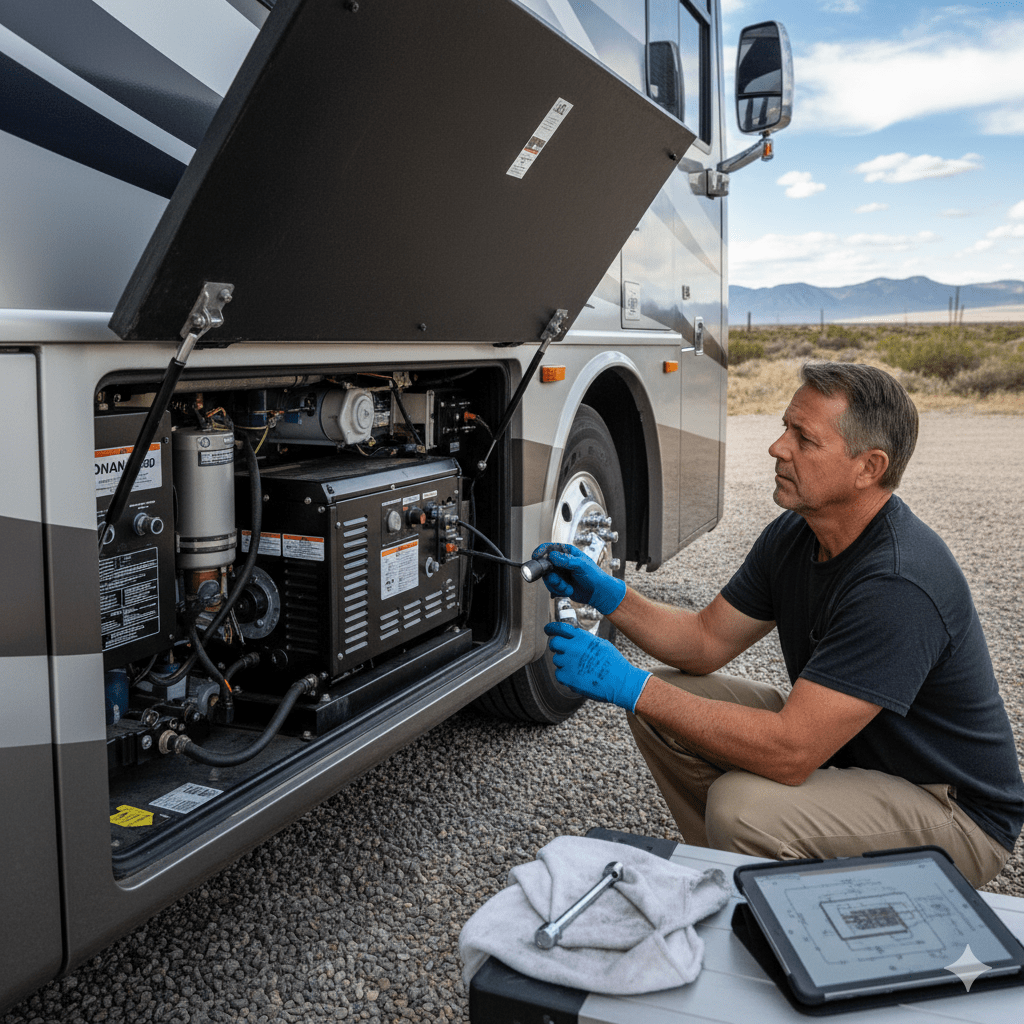
Investing in a pre-sale inspection by a certified RV technician can instill confidence in potential buyers. A detailed inspection report that highlights the RV's condition and any necessary repairs can alleviate concerns and justify your asking price. Work with a professional motorhome repair shop for these inspections to add credibility and reassure buyers that the work was done by experts.
8. Condition and Maintenance
The condition of your motorhome is arguably the most influential factor in its resale value. A well-maintained RV with a clean interior, functional appliances, and a sound mechanical system will almost certainly attract higher offers than one that shows signs of neglect. Regular maintenance and repairs are essential to preserving your RV's value.
i. Maintenance and Records
Keeping detailed maintenance records is not just good practice; it can significantly boost your RV's resale value. These records serve as proof of responsible ownership and provide potential buyers with confidence in the vehicle's history.
Documentation of regular oil changes, tire rotations, appliance servicing, and other repairs demonstrates that you've invested in the RV's longevity. Having service records from a trusted RV repair company further strengthens this proof.
ii. Exterior and Interior Condition
The visual appeal of your motorhome matters. A well-maintained exterior with a clean paint job, intact decals, and minimal signs of wear can make a positive first impression. Similarly, a clean and organized interior with functional appliances and comfortable furnishings can enhance the RV's appeal.
9. Brand and Model
The brand and model of your RV can significantly impact its resale value. Certain brands have established reputations for quality, durability, and innovation, which translates to higher demand and better resale value. Popular models that are known for their reliability and features also tend to retain their value better.
10. Popularity and Reputation
Just like any consumer product, RVs go through cycles of popularity. Models that are in high demand at the time of resale might fetch better prices than those that have fallen out of favor. Additionally, models with a reputation for issues might depreciate faster than those known for their dependability.
11. Features and Amenities
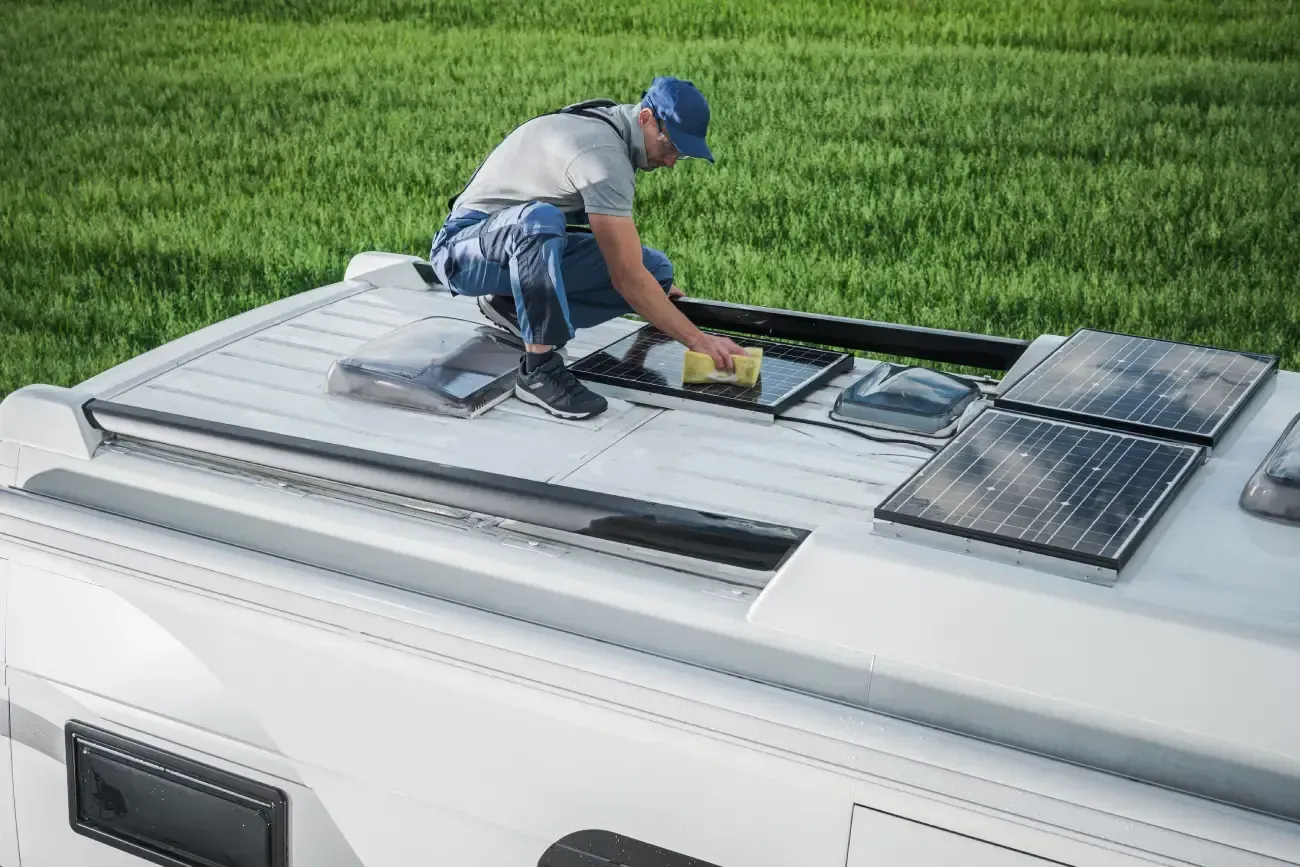
The features and amenities your motorhome offers can be a major selling point for some buyers. Modern conveniences like appliances, entertainment systems, solar panels, and advanced safety features can make your RV more appealing to buyers, potentially increasing its resale value.
12. Smart Upgrades
While personal touches can make your RV feel like home, excessive or poorly implemented modifications might not always translate to higher resale value. Some upgrades, such as solar panels for off-grid capability or improved suspension for smoother travel, can be seen as valuable additions. However, overly personalized modifications, like custom-built entertainment centers or unique décor, may not appeal to a wide audience and can even deter potential buyers.
i. Value-Added Upgrades
Focus on upgrades that enhance practical value, comfort, and safety to increase your used RV value:
- Energy-efficient appliances: Modern fridges, microwaves, and induction cooktops reduce long-term operating costs.
- Insulation and HVAC improvements: Better insulation, upgraded heating/cooling systems, and ventilation can make your RV comfortable year-round.
- Power enhancements: Installing a reliable inverter, extra batteries, or solar panels ensures self-sufficiency for off-grid adventures.
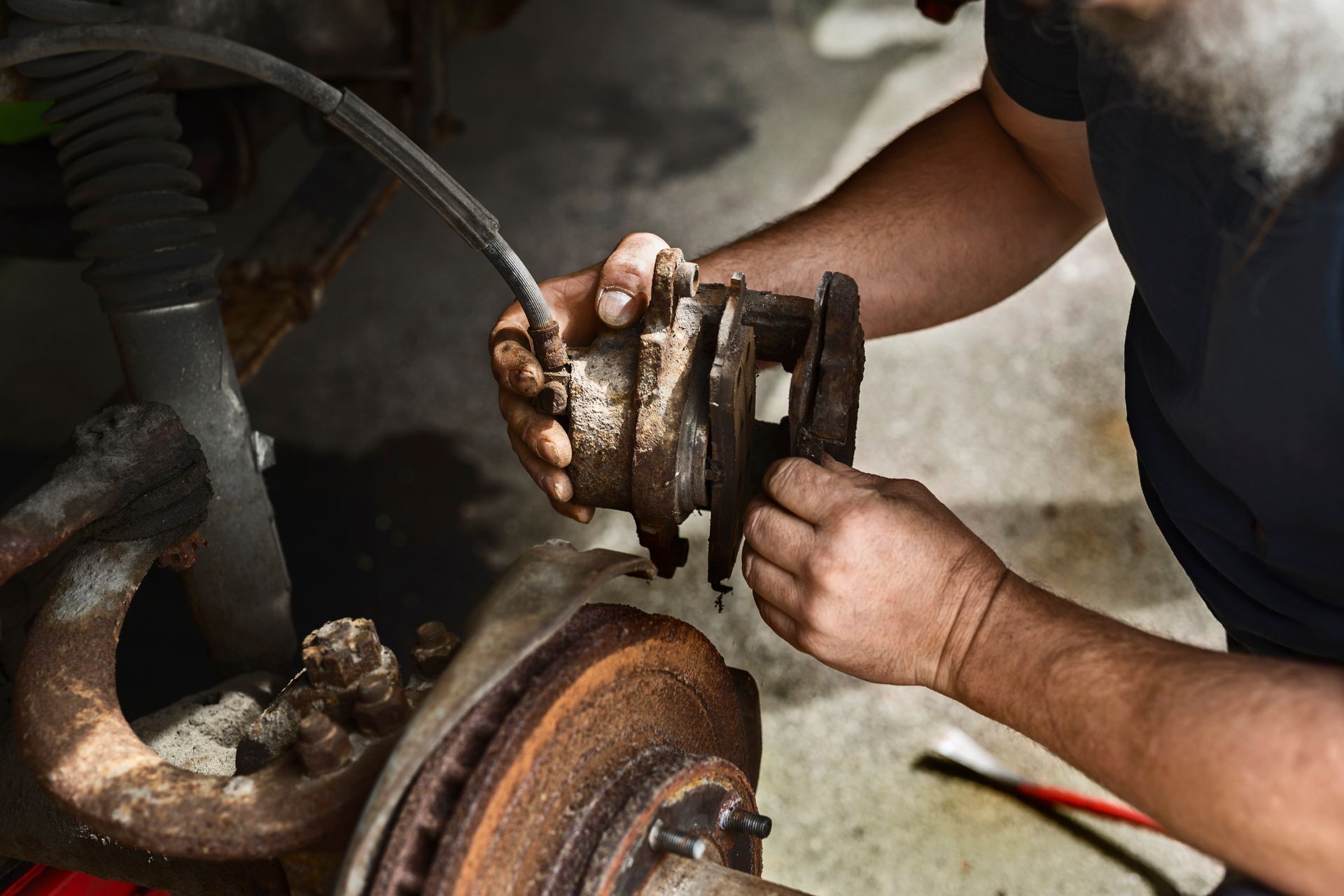
- Mechanical and safety upgrades: Updated brakes, shocks, and tires improve performance and safety; features buyers often prioritize.
- Interior refreshes: Replacing worn upholstery, updating lighting fixtures, or refinishing cabinets can modernize the space without excessive cost.
ii. Potential Drawbacks of Excessive Modifications
While thoughtful upgrades add value, overdoing them can hurt resale:
- Over-personalization: Highly specific décor or unique customizations may limit the appeal to other buyers.
- Poor craftsmanship: Sloppy installations or DIY modifications can raise concerns about reliability, safety, or structural integrity, negatively impacting used RV value.
- Maintenance considerations: Complex modifications that require ongoing upkeep may deter buyers who prefer low-maintenance vehicles. Partnering with a trusted motorhome repair service ensures that any modifications are professionally installed and properly maintained, giving buyers confidence.
By prioritizing upgrades that are practical, safe, and appealing to a broad audience, you can enhance your RV’s usability and attractiveness.
How to Preserve Your RV’s Value Over Time
Maintaining resale value starts long before you decide to sell. Simple, consistent upkeep makes a big difference.
1. Regular Cleaning and Detailing
Keeping your RV clean, both inside and out, is crucial for maintaining its resale value. Regular washing, waxing, and interior cleaning not only make the RV more visually appealing but also prevent dirt and grime from causing long-term damage.
2. Proper Storage
When not in use, proper storage can protect your RV from the elements and prevent unnecessary wear and tear. Consider storing your RV in a covered area or using a protective cover to shield it from sun damage, rain, and snow.
3. Addressing Minor Issues Promptly
Don't neglect minor repairs. Addressing small issues as they arise can prevent them from escalating into major problems that could significantly impact your RV's value. Regular inspections and timely repairs can save you money in the long run. Partnering with a trusted RV repair service will ensure even small fixes are handled correctly.
4. Professional Inspections
Before listing your RV for sale, consider getting a professional inspection. A thorough inspection can identify any underlying issues that might not be obvious and provide you with a comprehensive assessment of your RV's condition. This information can be valuable when negotiating with potential buyers. Having the inspection done by a recognized motorhome repair shop will add an extra layer of confidence.
Depreciation and Market Trends
Like any vehicle, RVs depreciate over time. Understanding the typical depreciation curve for your specific make and model can help you set realistic expectations for resale value. Additionally, staying informed about market trends can give you insights into current demand and pricing. Follow RV forums, industry reports, and dealership updates to help you gauge whether it’s the right time to sell.
Marketing and Presentation
When it's time to sell, present your RV in the best possible light.
- Take high-quality photos that showcase its features and cleanliness.
- Write a compelling description that highlights its strengths and amenities.
- Consider listing it on reputable RV marketplaces and social media platforms to reach a wider audience.
- Work with a dealership or motorhome repair shop that offers consignment sales to simplify the process and expand your buyer pool.
Together, these strategies set the stage for effective negotiations, ensuring you can confidently discuss your asking price and motorhome resale value with potential buyers.
Negotiating with Buyers
When negotiating, it helps to have a clear understanding of your RV’s market position and history. Keep these guidelines in mind to navigate discussions effectively:
- Research comparable listings to understand the fair market value of your RV.
- Be open to reasonable offers, but don't undervalue your vehicle.
- Remember that a well-maintained RV with a documented history can command a premium price.
- Keep all service records organized, as buyers tend to value those highly.
Approaching negotiations professionally increases your chances of achieving the best possible motorhome resale value.
Contact Mainline RV & Truck Service for RV Repair and Servicing
At Mainline RV & Truck Service, we understand the importance of maintaining your RV's resale value. Our technicians provide the best RV repair and servicing to keep your motorhome in top condition. From routine maintenance to major repairs, we have the expertise to ensure your RV runs smoothly and retains its value for years to come.
Whether you need a quick service, detailed inspection, or guidance on upgrades that enhance used RV value, our team is here to help. Call us at 440-439-7777 or fill out our online contact form
to get in touch today.
Contact Us