What To Look for In an RV Repair Shop in Ohio

April 12, 2024

Owning an RV can be an amazing experience, allowing you the freedom to travel and see the world. However, like any vehicle, RVs require regular maintenance and occasional repairs to keep them running smoothly. Choosing the right RV repair shop is important to ensure your RV gets the proper care it needs.
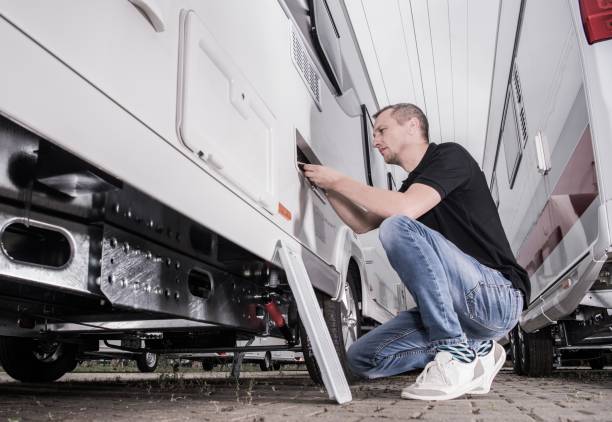
Tips For Choosing The Right RV Repair Shop In Ohio


1 - Inspecting the Equipment


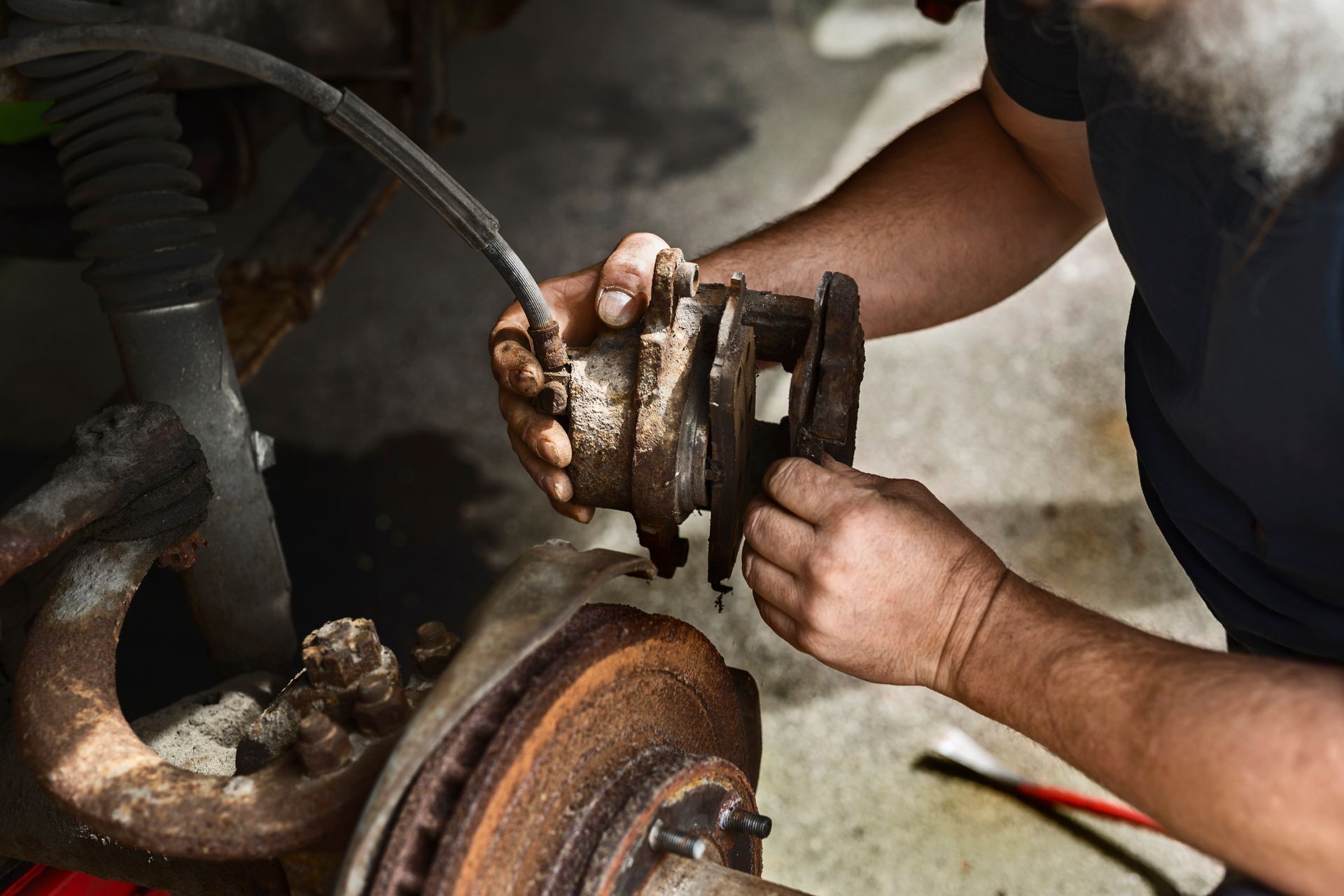
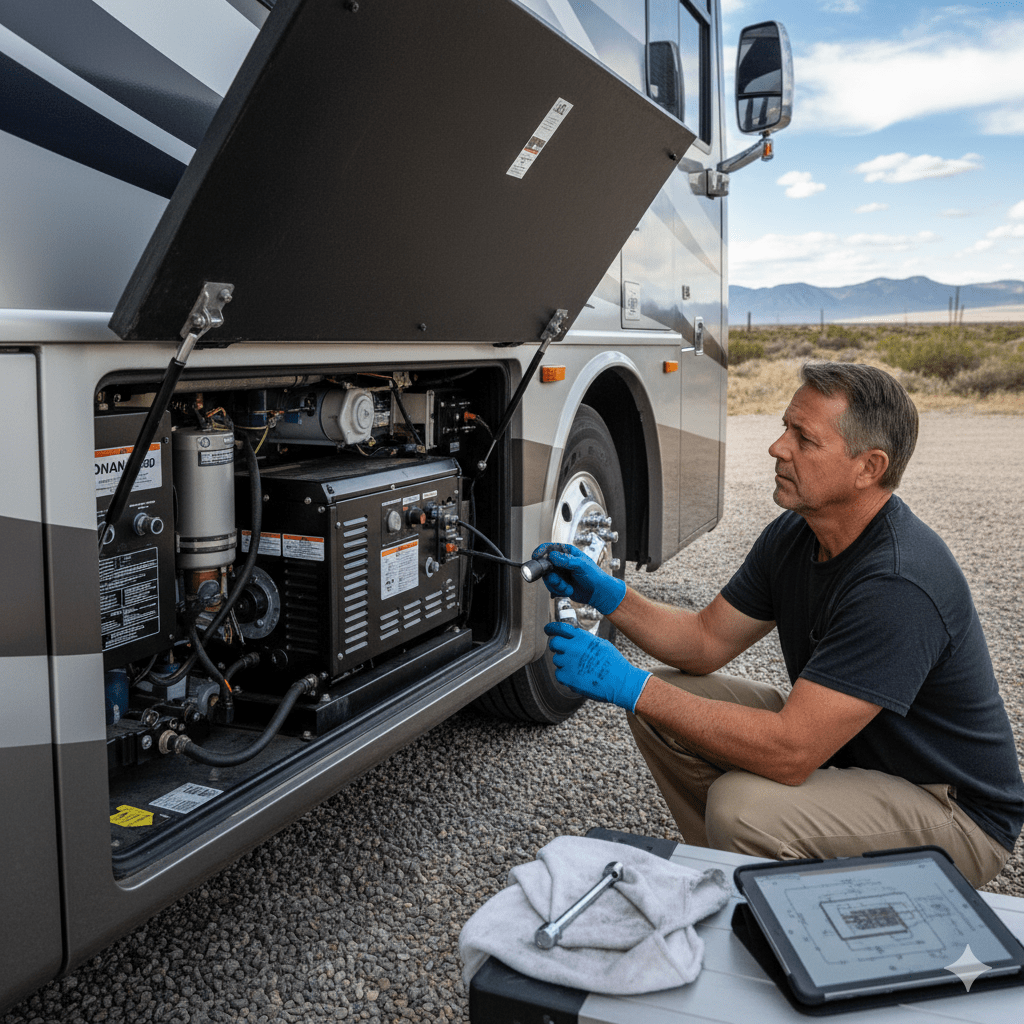
When visiting a potential RV repair shop, take a look at the type of equipment they use. Modern diagnostic tools and machinery designed specifically for RVs will allow technicians to efficiently diagnose and fix problems. Shops that lack proper RV repair equipment may not have the capabilities to thoroughly work on all the systems found in RVs.


2 - Good Work and Positive Reviews


One of the best ways to evaluate an RV repair shop is to read reviews from past customers. Search online for reviews on Google, Yelp, and other sites. Look for shops with consistently positive feedback for performing quality work at fair prices. Wary of shops with no reviews or frequent negative comments, as this may indicate issues with their work.


3 - Experience with RVs


Choose a repair shop that specializes in RV maintenance and repair. Ask how long they have been servicing RVs and the types of certifications their technicians hold. Companies with long histories working on RVs will have extensive knowledge of the unique repair needs for motorhomes and campers.


4 - Business Experience and Track Record


Along with RV experience specifically, examine the overall business track record of the repair shop. How long have they been open? Do they have a professional shop facility and helpful customer service policies? Established businesses with years or decades of experience working on vehicles are often a safer bet.


5 - Ask to See their Licensing and Credentials


Above all else, it's vital to choose an RV service and repair shop which has all its credentials and paperwork in order. They should have all necessary licenses to operate, according to local regulations, and should also carry a good amount of insurance. Participation in industry associations is another good sign since being members in good standing generally indicates a high level of competence.


6 - Avoid National Chains


This might seem counter-intuitive since large chains can seem trustworthy. However, the issue is one of staffing. Especially these days, it's difficult for large repair chains to hang onto employees, resulting in a lot of churn and new hires. So, no matter how many years the chain has existed, you could easily end up with a relative amateur doing the actual work on your RV. A smaller privately-owned shop is a much better choice, especially one which has been around for decades.


7 - Ask Around at RV Camps


If you really want to know the best options for RV repairs, upgrades, or accessories, talk to the owners or workers at nearby RV campgrounds. They'll have plenty of experience helping visitors with problems, and they'll probably know better than anyone else that local RV repair shops are genuinely trustworthy.


8 - Check their Warranty Policies


At a bare minimum, any RV service shop you choose should support the manufacturers' warranties on parts on equipment. The best shops will also offer their own guarantees on workmanship. Given that RV repairs can be costly, you definitely want this extra level of insurance to guarantee your money isn't wasted.


9 - Distance From You


Proximity is important for convenience when dropping off your RV for repairs or simple maintenance. Look for repair shops located within a reasonable driving distance from your home. Keep in mind you may need to leave your RV at the shop for days or even weeks depending on the required work.


10 - The Right Service Offerings


Ensure the RV repair shop can handle the type of work your RV requires. Some shops specialize in certain repairs like engine work, collisions, or plumbing. Have an idea of your RV's repair needs and look for a shop that provides the necessary range of services.


11 - Ask the RV Community


Talk to fellow RV owners in online forums or camping groups for recommendations on great repair shops they've used. Your fellow RVers will likely be happy to share shop names that provided great service at fair prices.


Contact Mainline RV & Truck Service for RV Repair and Services


Mainline RV & Truck Service has been providing top-quality RV service and repairs in Ohio since 1982!


Finding a trustworthy RV repair shop you can rely on is critical to keeping your motorhome or trailer running smoothly for years on the road. Use these tips when researching shops to find one that fits your RV's needs and provides high-quality work at fair prices. Mainline RV & Truck Service has decades of experience servicing all types of RVs. Contact us today to learn more about our comprehensive repair capabilities.


Click here to schedule an appointment.

Contact Us

April 27, 2026
Stop the "white-knuckle" driving! Learn what causes motorhome porpoising and how professional RV suspension upgrades can restore safety and comfort to your ride.
April 21, 2026
Don't let your RV generator die from disuse! Learn why "exercising" your Onan generator prevents costly repairs and keeps your motorhome ready for the road.
April 13, 2026
Safe stopping is as vital as engine power when towing a heavy load. Many truck owners overlook trailer brakes until an issue arises. At Mainline RV & Truck Service , we handle various towing setups, primarily electric and surge brakes. Both systems stop a trailer safely, but they operate differently and require separate trailer maintenance approaches. Understanding these differences is essential for road safety. We offer an expert comparison, including specific maintenance needs. Understanding the Fundamental Differences Before discussing what keeps them running smoothly, we should look at how the two systems operate. Electric brakes get their power from an electrical signal sent from the tow vehicle. Pressing the truck’s brake pedal tells the brake controller to send electricity to powerful electromagnets inside the trailer’s drum brakes. These magnets engage an armature plate, which then forces the brake shoes out against the inside of the drum. Surge brakes use hydraulics and work on their own, independent of the truck’s electrical system. Their operation is based on inertia. When the truck begins to slow down, the trailer pushes forward into the hitch. That physical pressure compresses a master cylinder built into the trailer coupler, which then pumps hydraulic fluid to the brake cylinders or calipers. Because one system is powered by electricity and the other by fluid pressure, their weak points and overall maintenance needs are very different. Electric Brakes: Fine-Tuning and Electrical Integrity Electric brakes are standard equipment for nearly all travel trailers and large, heavy-duty flatbed trailers. Since they depend on a good connection between the truck and the trailer, maintenance starts right at the hitch and extends all the way to the brake shoes. Adjusting the "Gain" on Your Brake Controller A key part of operating electric brakes is a setting that you control from inside the truck’s cab, not on the trailer itself. The “Gain” value on your brake controller sets the amount of electrical power sent to the trailer brakes. If the gain is set too low, the truck does all the braking work, which leads to your truck’s rotors getting too hot and your stopping distance increasing. Setting the gain too high means the trailer brakes will lock up easily. Routine truck trailer repair and safety checks involve resetting the gain any time the weight of your load changes significantly. A carefully adjusted gain ensures the truck and trailer brake together, preventing unnecessary stress on either vehicle. Troubleshooting "Grabby" or Locking Brakes A common complaint is that the trailer brakes feel “grabby,” meaning they engage too suddenly or violently with only a little pedal pressure. Often, something is causing a maintenance issue. Common reasons include: Corrosion on the electromagnets: If the trailer has been sitting unused, rust can form and cause the magnets to stick when engaged. Incorrect Gain settings: As mentioned earlier, improper calibration is a frequent culprit. Grease on the shoes: A failed wheel seal can let grease leak onto the brake components, leading to unpredictable braking action. During a professional trailer repair inspection, mechanics remove the drums to check that the magnets are wearing evenly and confirm that no oil or debris is contaminating the friction surfaces. Surge Brakes: Hydraulic Health and Fluid Management Surge brakes are most frequently seen on boat trailers (where electrical parts and water do not mix well) and on rental trailers (because the tow vehicle does not need a specialized controller). Checking Fluid Levels for Surge Couplers Surge brakes primarily fail due to low hydraulic fluid. As the master cylinder in the trailer's tongue or coupler is exposed to constant movement, seals wear, and moisture can enter the system. Routine maintenance requires checking the master cylinder reservoir fluid level; dark or cloudy fluid indicates moisture contamination, necessitating a full flush and replacement. Without sufficient, clean fluid, the surge coupler cannot generate the force required to activate the brakes, leaving the trailer brakeless. Inspecting the Moving Parts of the Coupler Since surge brakes work by the physical “sliding” movement of the coupler mechanism, that sliding part must be kept lubricated and clean. If the coupler rusts or jams up, the brakes might stay applied even when you are driving, or they may completely fail to engage when you slow down. The Common Ground: Shoe Adjustment and Wear The way the brake shoes are moved might be different, electricity for one, hydraulics for the other, but the shoes themselves need manual upkeep in both systems. Shoe Adjustment Intervals for Heavy-Duty Trailer Repair While some newer trailers feature self-adjusting brakes, many heavy-duty models still need manual adjustment. As the friction material on the brake shoes wears away, the space between the shoe and the drum increases. The result is a noticeable delay in braking response. For dependable safety, we advise having your brake shoes inspected and adjusted every 3,000 to 5,000 miles. During a trailer maintenance appointment, a technician uses a “star wheel” adjuster to move the shoes closer to the drum. This ensures that the trailer brakes immediately when you press the pedal. Which System is More Maintenance-Intensive? Surge brakes demand hands-on maintenance (checking fluid/grease). Electric brakes risk less obvious electrical failures (wiring, fuses, ground). For heavy loads, electric brakes offer a manual override for sway correction, but require electrical knowledge for troubleshooting. Surge brakes are simpler for the driver but need constant hydraulic system vigilance to prevent failure. Summary Checklist for Trailer Safety Keep your trailer operating at its best by following these simple guidelines: Annual Inspections: Have a certified professional examine your brakes and wheel bearings at least once a year, regardless of how many miles you have driven. Test Before You Tow: Always perform a quick “tug test” to confirm the brakes are working before you get out on the road. Watch for Corrosion: Check the 7-way electrical plug (for electric brakes) or your brake fluid lines (for surge brakes) for any signs of rust or damage. Listen: Squeaking, grinding, or clicking sounds are the most immediate indicators that truck trailer repair is necessary. Contact Mainline RV & Truck Service for Trailer Repair & More! Taking care of your trailer brakes is about more than just protecting your equipment; it directly impacts the safety of everyone sharing the road. If you are struggling with a malfunctioning brake controller, a leaking surge master cylinder, or you simply need a routine adjustment of your brake shoes, the experts at Mainline RV & Truck Service are ready to assist. We specialize in comprehensive trailer maintenance, truck trailer repair, and heavy-duty trailer repair services. Don't leave your stopping power to chance. Contact us online today .
By Mainline Truck Team March 10, 2026
Learn how to identify alignment vs. suspension-related irregular tire wear and enhance safety and performance. Call Mainline RV & Truck Service today.
By Mainline Truck Team March 2, 2026
Learn the importance of air brake winterization in Ohio, along with proven strategies to keep your system functioning. Contact Mainline RV & Truck Service.
By Mainline Truck Team March 2, 2026
Learn what black, white, and blue smoke from a diesel exhaust mean and when you need to seek semi-truck repairs. Contact Mainline RV & Truck Service.
By Mainline Truck Team January 5, 2026
Discover why the 3,000-mile rule is a myth and how to set the right truck oil change interval for your fleet. Contact Mainline RV & Truck Service today.
By Mainline Truck Team December 24, 2025
Learn what to expect from a commercial truck shop, from quick fixes and full services to fleet-focused value. Contact Mainline RV & Truck Service today.
By Mainline Truck Team December 24, 2025
Learn the essentials of heavy-duty truck service that improve performance, reduce downtime, and extend lifespan. Contact Mainline RV & Truck Service today.
By Mainline Truck Team December 22, 2025
Learn how to back up a motorhome with these expert tips, essential tools, and confidence-building strategies. Contact our motorhome repair shop for more.