Preventative Truck Maintenance is Key to Managing a Great Fleet
As a fleet manager, one of the last things you want to see is a major vehicle breakdown that disrupts productivity. A breakdown isn't only costly in terms of the direct repair bill; it can cause a cascade effect of wasted money from all other areas of the business which were relying on that vehicle. The combined losses can be huge.
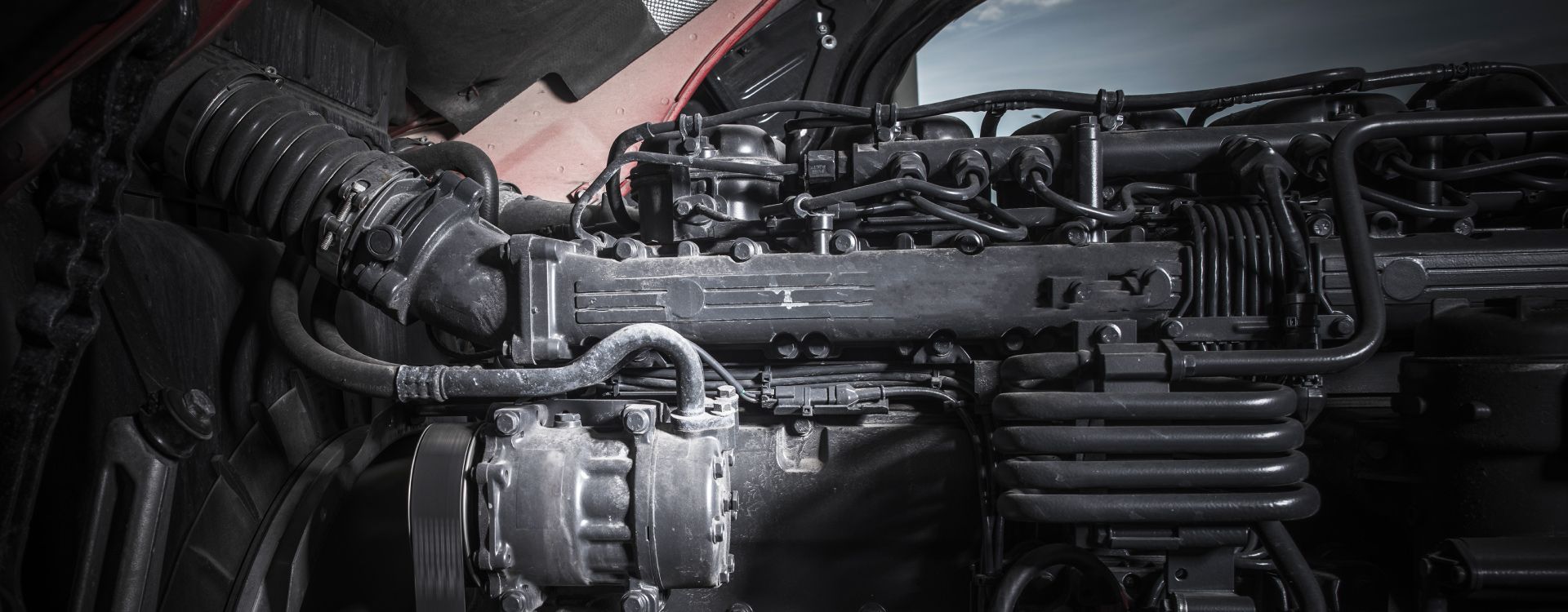
While it's always possible for something truly unexpected to happen on the road, most major breakdowns are preventable - through preventative maintenance. Staying on top of your truck maintenance and repairing/replacing components before they cause a breakdown will save a lot of money in the long run. It'll also improve overall efficiency, reduce wasted costs, and even keep your drivers happy by ensuring they're in safe vehicles.
So, in this guide, we'll be digging into preventative maintenance (PM): Why it's so important, and how to create a PM schedule that can drastically reduce your chances of breakdowns.
I. The Benefits of Preventative Truck Maintenance
Simply put, preventative maintenance is about making repairs before something goes terribly wrong. For example, recognizing that a battery is nearing its end-of-life, and replacing it before it goes bad. Or replacing your trucks' tires on a regular basis, rather than waiting until their tread goes bare.
Preventative maintenance can occasionally feel like 'fixing something that ain't broke,' but the point is that you can reasonably predict when it will break. And since you don't want it to break, proactively fixing it ahead of time will simply avoid problems.
Preventative maintenance brings several big benefits:
1 - Fewer breakdowns
This is the big one. A single on-road truck breakdown can easily cost five figures, or more, for the repair bill and any downstream impact from the delay. So often, these sorts of breakdowns are preventable. By keeping track of the components in a truck - typically using a spreadsheet or dedicated vehicle maintenance software - you can proactively replace or repair any components nearing their end of life, or that are showing flaky performance.
2 - Improved on-road efficiency
Preventative maintenance also saves money, even when nothing goes terribly wrong. A well-maintained vehicle is an efficient vehicle, with minimum extra costs involved. This is particularly clear when it comes to fuel costs. Fuel is expensive, and costs can be unpredictable. By keeping the tires in good shape, the engine well-tuned, and the exhaust system running well, you can minimize fuel costs and prevent needless waste.
3 - Better vehicle value
Your vehicles aren't just working tools, they're also an investment into an asset. That asset should last as long as possible, to maximize the returns on the original investment. In addition, there's always the chance of needing to sell or trade the vehicle in the future. The better it's maintained, the more value it will hold - potentially reducing costs when it's time for a major fleet upgrade.
4 - Morale boosts
A great PM plan will also tend to impress your drivers, and other workers maintaining your trucks. Drivers are always going to be more enthusiastic about operating machines that they know are safe and well-maintained. This can even be a selling point when you're trying to recruit new drivers. Being able to say you have a safety-focused fleet is a great way to pull in top-tier talent.
5 - Planned expected downtimes
Occasionally a vehicle will simply need a few days in the shop for repairs and upgrades. Wouldn't it be better to plan for that ahead of time, and adjust your schedule around the expected downtime? This can greatly reduce the costs associated with a major renovation while minimizing any impact on the rest of the business.
II. Refocusing on Preventative Maintenance
So, if a shop wanted to put a higher priority on PM, where should they start?
1 - Invest in software
Proper preventative truck maintenance needs a software solution behind it. This could potentially be as simple as a spreadsheet maintained by hand, but it's typically better to invest in a dedicated vehicle management software system.
This software can keep track of every vehicle in your fleet while tracking numerous facts and statistics about it: mileage, gas usage, expected lifespans of each component, and more. The best software packages can even send alerts, such as reminding you that the tires on a certain vehicle are approaching 50,000 miles and thus probably near their end-of-life. Then you can have the tires retreaded or replaced, quickly and easily, without risk of blowout.
In some cases, software can even connect to other systems, such as the GPS system in a vehicle. Then it can automatically download stats like mileage, straight from the truck's computer, without the chance of human error.
2 - Keep the crew involved
Your PM database should be maintained by everyone who touches the truck. Any and all maintenance, even something as simple as putting air in a tire, should be recorded. Chances are you're tracking some of this already, but it should be put forward as a group effort where everyone contributes to improving safety and efficiency.
3 - Determine maintenance priorities
Some aspects of fleet maintenance are universal, such as tracking mileage and repairs to major components. However, there will always be individual wrinkles based on each vehicle and its utilization. Think about how each vehicle is used, and what aspects of maintenance are most important for its job role.
4 - Get buy-in from higher levels
While you probably have a fair amount of autonomy as a fleet manager, it's always a good idea to have friends in high places. Convince your manager(s) of the importance of PM and create allies. This will make it far easier to make the (relatively small) investments needed to get your PM initiative up and running, without pushback.
III. Creating a Preventative Maintenance Schedule
So, with the groundwork laid, let's look at the nuts and bolts of preventative truck maintenance.
1 - Know what you need to do
Every vehicle should have its own list of necessary maintenance tasks, including:
- Tire inspections and pressure checks, with rotation/alignment/etc
- Fluid checks and refills
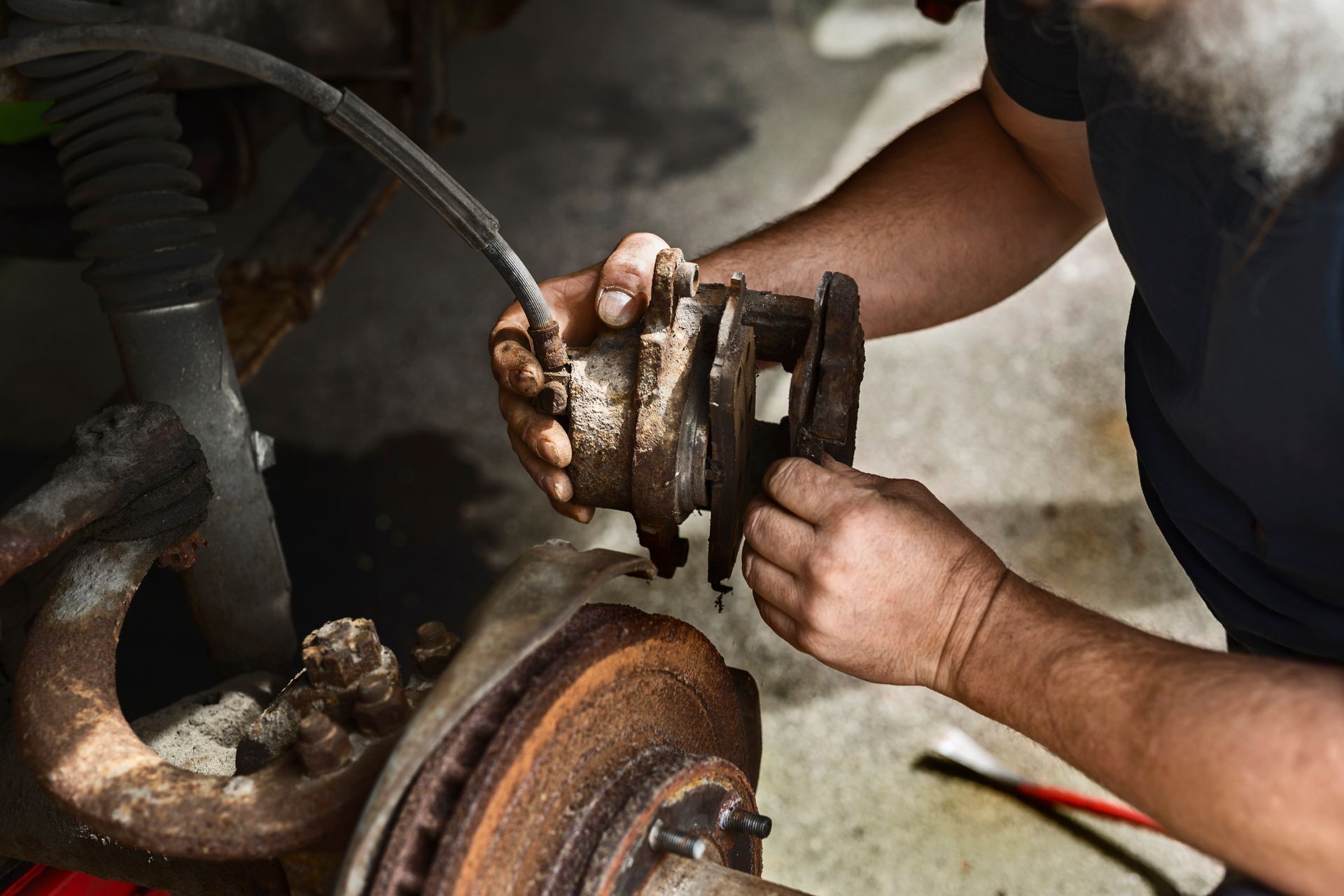
- Brake inspections
- Electrical and lighting inspections
- Filter changes
- Inspecting safety equipment - seat belts, airbags, etc
- Monitoring the emissions system
- Verifying trailer hitches, hookups, and similar connectors
- Inspecting the trailer
- Servicing the fifth-wheel platform
- Suspension system inspections and maintenance
Be as thorough as possible. Consult with your maintenance crew, if necessary, to ensure nothing important is overlooked on the list.
2 - Figure out the schedule
Different tasks will need to be performed at different times on a vehicle. For example, it's a good idea to inspect tires on a very regular basis - every week, or possibly after each major run. On the other hand, the oil and other fluids only need to be changed every 5,000 miles or so.
Every item in your schedule needs a time attached, with a method - again, software is best - for keeping track of whenever those bits of maintenance are done.
In addition, it's a good idea to keep track of major components in each vehicle: the engine, the suspension system, the brakes, and so forth. Each of these will have an expected lifespan, either in years or mileage. Keeping track of those lifespans helps you repair/replace major components before something goes wrong.
3 - Keep track of everything
Just to reiterate: Anything done to the vehicle, no matter how minor, needs to be fed back into the schedule and database. This is something that must be impressed on your entire workforce. Preventative maintenance scheduling won't work if you don't know when/how components were last serviced.
4 - Proactively look for problems
As you accumulate data about your ongoing maintenance, you'll be able to spot more problems before they happen. Does one truck need oil top-ups more frequently than other vehicles? It's probably leaking or burning oil somehow, which is a problem that needs to be investigated before it gets any worse. Likewise, tracking fuel use will often point to minor maintenance issues that, if fixed early, will prevent larger costs down the line.
In the end, preventative maintenance is all about preventing problems. Proper application of PM with a scheduling system to back it up will create a smoother-running vehicle system with far fewer unpleasant surprises. Your business will benefit, and all your workforce will appreciate it as well.
Mainline RV & Truck Service Can Keep Your Fleet In Great Shape!
Mainline isn't just Ohio's source for the best in truck and RV repairs, services, parts and upgrades. We're also a trusted partner for companies across the state, who rely on us for our excellent commercial truck maintenance contracts.
For a fair, predictable fee, we can take over handling of all your preventative maintenance needs. We'll pick up your trucks whenever they need attention and return them as good as new, all according to a schedule that's built around your needs.
If it's time to overhaul your fleet's maintenance schedule, contact Mainline to make it happen!
Contact Us