RV Suspension Upgrades and Maintenance for Improved Handling
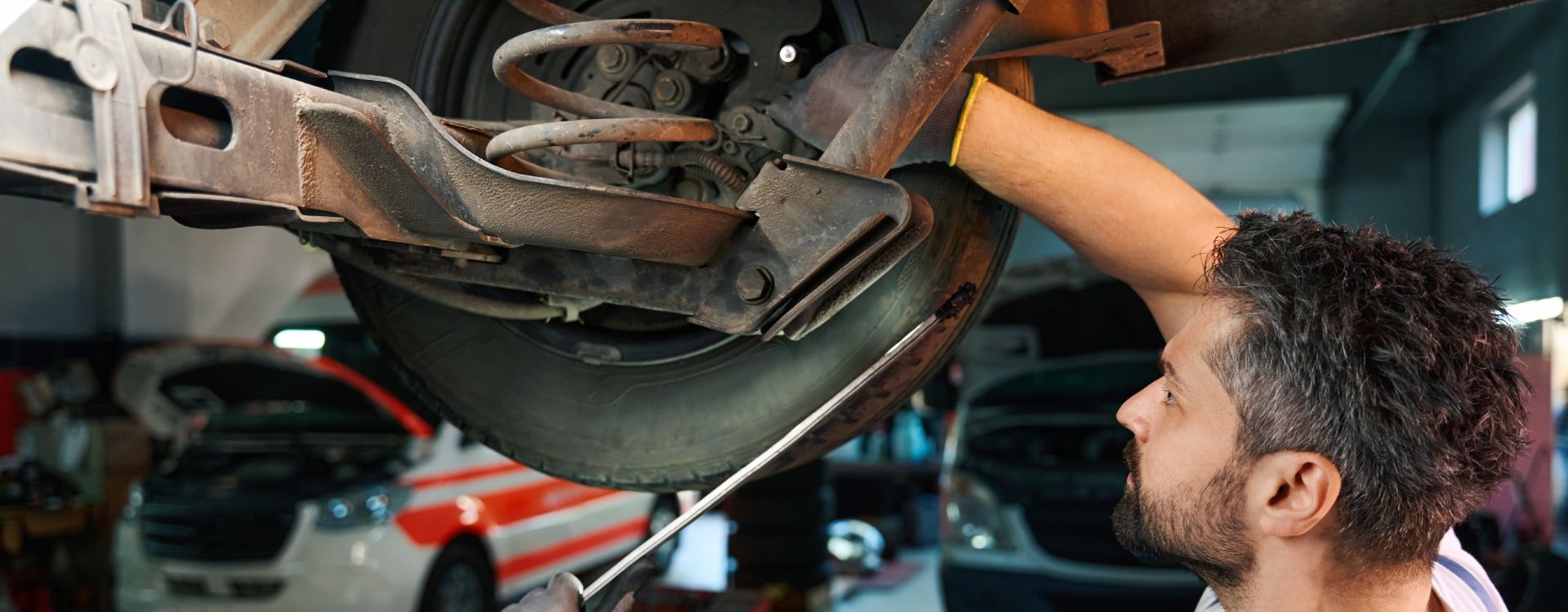
Hitting the open road in an RV is an exhilarating experience. With the freedom to travel across the country and enjoy the great outdoors, RVs open a world of adventure. But to keep your RV rolling safely to your destinations, proper maintenance and upgrades are always needed. In particular, focusing on your RV's suspension system can make a huge difference in performance, handling, and ride comfort. Here are some RV suspension upgrade options and maintenance tips to keep your RV suspension in top shape.
The Importance of Weight Distribution
Before modifying your RV's suspension, it’s crucial to understand how weight impacts handling and stability. Improperly distributed weight strains the suspension, leading to a bumpier ride and safety issues. Getting your RV weighed at a truck scale will provide the data you need to balance the load. Adjust cargo placement and passengers to evenly distribute weight, then upgrade components to optimize performance. Don’t just add heavy suspension parts hoping they will fix the problem. Address weight balance first before moving on to other areas for repairs.
Regular Tire Inflation and Replacement
Proper tire inflation is vital for suspension performance. Underinflated tires cause stress on components leading to blown tires, decreased braking, and poor handling. Overinflated tires reduce traction and braking ability. Invest in a high-quality pressure gauge and check inflation when tires are cold. Refer to your owner’s manual and tire sidewalls for proper inflation levels based on your RV’s weight and tire specs. Inspect tire treads and sidewalls regularly and replace worn tires for maximum safety.
Upgrade Your Suspension Step-by-Step
Now that weight balance and tire care are covered, let’s explore suspension upgrade options to dial in ride comfort and performance:
Heavy-Duty Shocks
Shock absorbers take the bumps out of rough roads. Heavy-duty gas or hydraulic piston shocks give better control for larger RVs. Look for brands that engineer shocks for RV applications.
Sway Bars
Sway bars reduce body roll around corners and harsh swaying motions. Upgraded sway bars can tame an unwieldy RV and provide reassuring stability. Select the correct bar diameter and adjustability for your particular RV.
SumoSprings
Helper springs like SumoSprings provide extra load support. They complement your existing leaf or coil springs to improve alignment and prevent bottoming out. Just make sure to get the right height and tension rating for your RV.
Load-Leveling Hitches
For RVs towing trailers, load-leveling hitches transfer weight from the rear to the front axle for balanced handling. Integrated leveling jacks let you fine-tune alignment. Choose a hitch rated for your RV’s towing capacity.
Regular Maintenance Keeps You Rolling
Along with upgrades, don’t neglect regular maintenance for optimal performance and safety:
● Inspect shocks and bushings for leakage/wear and replace as needed
● Lubricate suspension joints
● Check wheel bearings and repack/replace annually
● Align wheels/axles to reduce tire wear
● Inspect and replace any cracked/broken suspension parts
Proper suspension care reduces wear, extends component life, and prevents costly repairs down the road. Consult your owner's manual and mechanic for maintenance recommendations.
Keeping Your RV Suspension in Top Condition
While suspension upgrades can improve your RV's performance and ride quality, proper maintenance of the other areas of your RV are equally important for longevity and safety. Don't wait until there's a problem to service your suspension - here are some tips for proactive maintenance.
The Importance of Wheel Alignment
Over time, an RV's wheels can fall out of alignment due to uneven road surfaces, improper loading, and general wear and tear. Driving with misaligned wheels stresses the tires and suspension, leading to handling issues, rapid tire wear, and drivetrain damage.
Have your RV's alignment checked annually and after any impact to the wheels. Quality alignment machines designed for RVs, not just cars, are needed to adjust the complex steering geometries. Proper toe-in and camber settings reduce tire scrubbing and ensure straight tracking. Don't ignore pulling, wandering, and uneven tread wear - have alignment done promptly. Proper alignment saves tires, suspension parts, and improves safety.
Lubricate Moving Suspension Components
The pivot points on your RV's suspension system need to be lubricated frequently.. Lack of lubrication leads to accelerated wear, noise, and deteriorated ride quality.
Inspect components like sway bar links, tie rod ends, and control arm joints. If grease fittings are present, use a grease gun to pump in fresh lubricant until clean grease flows out. Otherwise, make note of parts needing to be disassembled and repacked with grease. Don't skip this vital task.
Check Airbags and Compressors
If your RV is equipped with air suspension, check airbags for leaks and cracked fittings. The compressor should kick on periodically to top off pressure. Listen for leaks or abnormal compressor noises. Adjust pressure regularly based on load. Keep compressor air filters clean and change air driers when needed.
Well-maintained air suspension provides ideal ride height, stability, and load support. Inspect all components frequently to maximize performance. Don't hesitate to replace worn parts for safety if they start to look a little bit worn.
Clean and Inspect Suspension Components
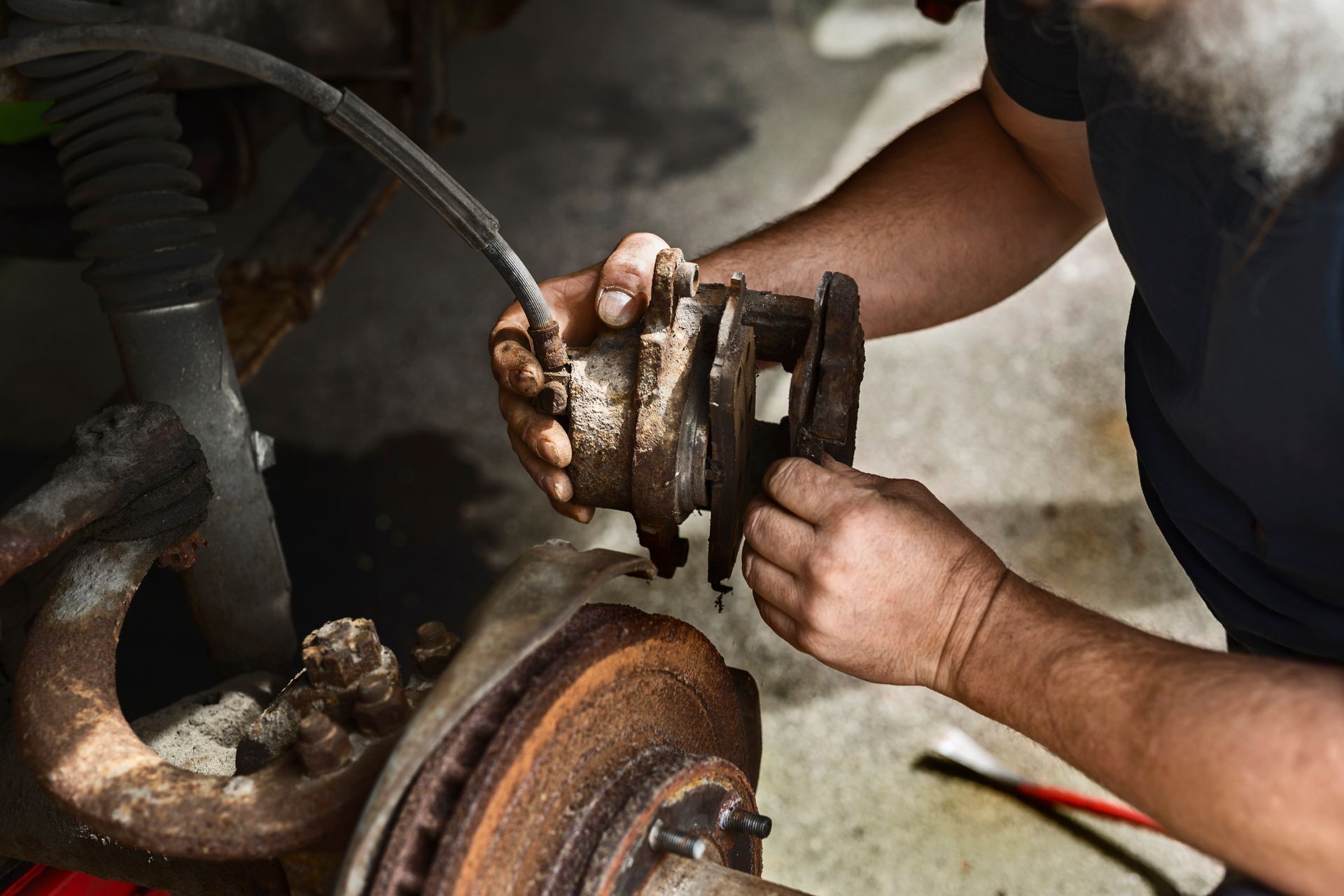
Get under your RV routinely to clean and inspect the suspension system. Look for cracked springs, worn shocks, loose or broken parts, and any fluid leaks. Clean away road grime to check for damage.
Catching problems early can prevent suspension failures and expensive repairs down the road. Take time to thoroughly examine the system during routine maintenance.
Keep the Chassis Well Greased
Greasing the chassis involves pumping grease into all suspension pivot points and joints. Use a grease gun to lubricate control arms, spring shackles, hitch components, and any other greasable fittings. Consult your owner's manual for the recommended chassis greasing intervals and lubricant specifications for your particular RV model.
This distributes lubricant throughout the undercarriage to prevent seizing and wear. Take time to thoroughly grease the chassis for long-lasting suspension health. Proper lubrication also reduces annoying squeaks and rattling noises.
Check Your Owner's Manual for Recommended Service Intervals
RV manufacturers provide scheduled maintenance guidelines in owner's manuals that should be followed diligently. Recommendations are based on real-world testing to maximize component life. Don't try to extend intervals beyond what's specified.
At a minimum, have a certified RV technician inspect the entire suspension yearly. Point out any noises, fluid leaks, or handling issues. They can evaluate the parts' condition and advise on service needs. Strictly adhere to factory maintenance schedules for suspension, steering, and drivetrain.
Unexpected repair bills are avoided when you stay on top of manufacturer-prescribed maintenance. Don't cut corners - follow the owner's manual religiously to protect your investment.
Weigh Your RV Fully Loaded
Don't guess how much your RV weighs when loaded - know the exact weights. Take your RV to a certified scale and get individual wheel and gross vehicle weights. This helps set tire pressure, hitch settings, and ensures you aren't exceeding axle or tire weight ratings.
Overloading causes rapid suspension wear. Under-inflated tires also place undue stress on suspension components. Use actual weights to load your RV properly and program weight-distributing hitches. Confirm that your tires and axles aren't overloaded after adding gear or accessories.
Upgrade Sway Control for Safer Towing
Does your RV sway excessively when passed by large trucks or in windy conditions? That's extremely unsafe and puts strain on the tow vehicle. Upgraded sway control devices can dramatically improve stability.
Sway bars apply resistance to sway forces reducing sway. Consult with experts to choose sway upgrades compatible with your RV setup.
Proper sway control gives you confidence and security while towing. You'll arrive relaxed instead of white-knuckled after battling sway.
Contact Mainline RV & Truck Service for RV Suspension Upgrades That Make Your RV Experience One to Remember
At Mainline RV & Truck Service, our experts have the knowledge and experience to optimize your RV's suspension for superior handling, braking, and comfort. We offer professional inspections to identify issues. Our full-service shop can perform needed repairs and install the latest suspension upgrades to match your RV lifestyle and towing needs.
From heavy-duty shocks to sway bars, we carry top brands and help select the right parts for your RV model. We use precision alignment systems designed specifically for larger vehicles. Trust Mainline RV & Truck Service for expert maintenance, repairs, and suspension upgrades. Contact us to discuss your RV suspension needs!
Contact Us