RV Generator Maintenance: Why You Should Leave It to the Pros
The body content of your post goes here. To edit this text, click on it a
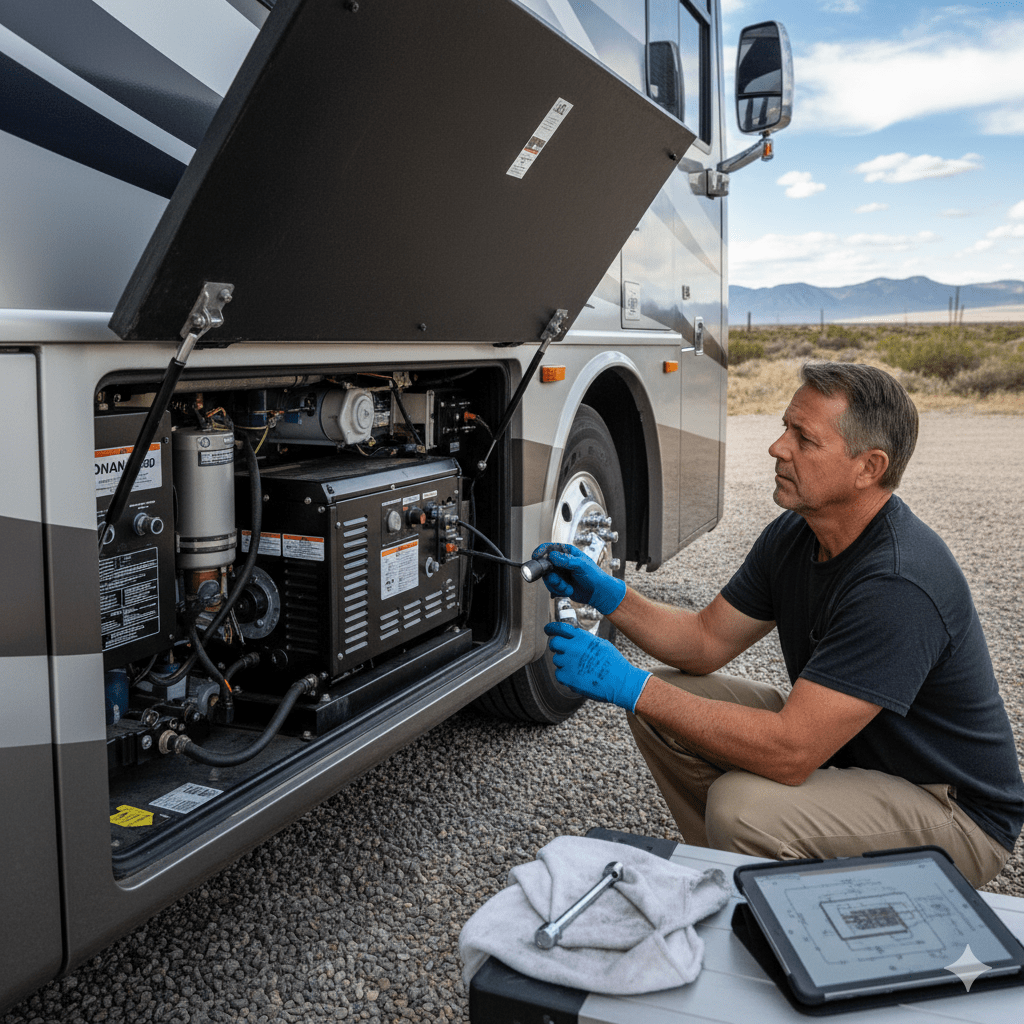
If you're an RV owner, then you know the importance of having a functioning generator. Not only does it provide power when you need it most, but it also keeps your RV appliances running smoothly. That's why it's important to schedule regular Onan RV generator repair and maintenance. However, this is something that some people choose to do themselves. While some basic steps can be taken, leaving the more complicated tasks to the professionals is always a good idea. Let's discuss some of the reasons why you should leave Onan generator repair to the experts.
Should You Leave RV Generator Maintenance to the Pros?
It can be tempting to think that repairing your own generator is a great way to save money. However, the truth is that Onan RV generator repair is best left to the professionals. Not only do they have the experience and knowledge necessary to properly diagnose and repair your generator, but they also have access to the latest tools and technology. This means that they can quickly identify any problems and get your generator up and running again in no time.
Risks of Doing Maintenance Yourself
Like anything that requires expertise there are several risks to trying to do the maintenance yourself:
Doing More Harm Than Good: One of the biggest risks of trying to repair your Onan RV generator is that you could end up doing more harm than good. This is especially true if you're not familiar with the inner workings of a generator. Without the proper knowledge, it's easy to make a mistake that could end up costing you more money and aggravation in the long run.
Voiding Your Warranty: Another risk of trying to repair your Onan RV generator yourself is that you could void your warranty. Most Onan generators come with a warranty that covers repairs and maintenance. However, if you try to do the work yourself, you could end up voiding this warranty. This means that if something does go wrong, you'll have to pay for the repairs out of your pocket.
Safety Concerns: Finally, one of the biggest risks of trying to repair your Onan RV generator is that it's a potentially dangerous task. Generators contain many moving parts and electrical components, which can be very dangerous if you're not familiar with them. That's why it's always best to leave Onan generator repair to the professionals.
The Benefits of Professional Onan Generator Repairs
You've invested a lot of money in your Onan RV generator, so it's important to take care of it. That's why you should always leave Onan generator repair and maintenance to the professionals. Not only will they be able to properly diagnose and repair any problems, but they can also help extend the life of your generator. Some of the key benefits of having a professional do the repairs include:
Peace of Mind: One of the biggest benefits of having a professional do Onan generator repair is that it gives you peace of mind. When you know that the experts are taking care of your generator, you can relax and enjoy your RV trip.
Proper Diagnosis: Another benefit of having a professional Onan generator repair is that they can properly diagnose any problems. This is important because it can help you avoid costly repairs in the future.
Preventative Maintenance: Having preventive maintenance done by a trained specialist can help you avoid future untimely problems. This can save you a lot of money in the long run.
Look for an authorized service and warranty center for Onan gas and diesel generators.
Improved Performance: Finally, another benefit of Onan generator repair is that it can improve the performance of your generator. When you have a professional do the repairs, they'll be able to tune up your generator and make sure that it's running at peak efficiency. This can save you money on fuel costs and help extend the life of your generator for years to come.
Exercise Is Good for Your RV Generator
Another reason to leave Onan RV generator repair to professionals is that they can properly service your generator. This includes exercising it on a regular basis, which is something that most people don't think about. However, just like any other machine, your generator needs to be used regularly in order to keep it running smoothly. By exercising it regularly, you'll help prevent any problems from arising and keep it running like new.
Typically, a generator should be run for at least 30 minutes every month. However, if you live in an area with extreme temperatures, you may need to exercise it more often. For example, if you live in a hot climate, you should exercise your generator for at least 60 minutes every month. This will help prevent any problems that could arise from the heat.
Oil, Air, and Spark Arrestor Care for Your Onan Generator
There are some basic steps that you can take to care for your Onan generator, but the more complicated tasks should always be left to the professionals. This includes things like changing the oil and oil filter, cleaning the spark arrestor, and replacing the air filter. These are all tasks that require special tools and knowledge, so it's best to leave them to Onan RV generator repair experts.
Changing the Oil and Oil Filter
One of the most important Onan RV generator repair tasks is changing the oil and oil filter. This should be done every 100 hours of use, or at least once a year. The oil helps to lubricate the engine and keep it running smoothly, so it's important to make sure that it's always fresh. The oil filter helps to remove any dirt or debris that could potentially damage the engine, so it's also a crucial part of the Onan RV generator repair process.
Cleaning the Spark Arrestor
Another important Onan RV generator maintenance task is cleaning the spark arrestor. This should be done every 200 hours of use, or at least once every two years. The spark arrestor helps to prevent any sparks from reaching the engine, so it's important to keep it clean. Otherwise, the sparks could potentially damage the engine.
Replacing the Air Filter
The air filter is another Onan RV generator repair task that should be done every 200 hours of use, or at least once every two years. The air filter helps to remove any dust or debris from the air before it reaches the engine. This is important because it can help to prevent any damage to the engine.
Air filters are located in the air intake duct, so if you do attempt to replace the air filter yourself, it's important to make sure that you know where it is before you start this Onan RV generator repair. Otherwise, you could potentially damage the engine by accidentally removing the wrong parts. Better yet, get it right by letting a pro handle the replacement.
Changing the Fuel Filter
Another Onan RV generator repair task that should be done every 200 hours of use is changing the fuel filter. The fuel filter helps to remove any dirt or debris from the fuel before it reaches the engine. This is important because it can help to prevent any damage to the engine.
Flushing and Changing the Coolant
The coolant should be flushed and changed every 500 hours of use, or at least once every five years. The coolant helps to keep the engine cool and prevents any overheating. It's important to make sure that the coolant is always fresh so that it can properly do its job.
The process for flushing and changing the coolant starts with draining the old coolant from the Onan RV generator. Once the old coolant has been drained, you'll need to add new coolant to the Onan RV generator. It's important to use the proper type and amount of coolant so that it can properly do its job, or it could do more damage than good.
Onan RV Generator Maintenance
Onan RV generator repair is best left to the professionals. They have the experience and knowledge necessary to properly diagnose and repair your generator. They also have access to the latest tools and technology.
You should also keep in mind what could happen if you make a mistake when trying to do your own maintenance. If you don't know what you're doing, you could potentially damage your generator beyond repair. This would not only be costly, but it could also be dangerous.
So, if you're thinking about Onan RV generator repair, make sure to leave it to the pros! They'll have your generator running like new in no time.
Get Onan Generator Repairs from the Experts at Mainline RV & Truck Service
Mainline RV & Truck Service is an authorized service and warranty center for Onan gas and diesel generators. We have Onan generator repair experts who are ready to help you with all of your Onan RV generator repair needs. We have the experience and knowledge necessary to properly diagnose and repair your generator.
Contact us today and schedule your appointment.
nd delete this default text and start typing your own or paste your own from a different source.
Contact Us